The result of a survey has shown that most people cannot distinguish whether a piece of music is made by artificial ielligence or human.
According to Reuters, a survey conducted joily by Deezer and Ipsos found that 97 perce of listeners could not tell the difference between songs produced by artificial ielligence and songs composed by humans. This has increased concerns that artificial ielligence can revolutionize the way music is made, consumed, and monetized.
In this survey, 9,000 participas from eight couries, including the United States, Britain, and France, were questioned. The result of this survey has increased ethical concerns in the music industry; Because artificial ielligence tools that can produce music have raised legal concerns about copyright that could threaten the livelihood of artists.
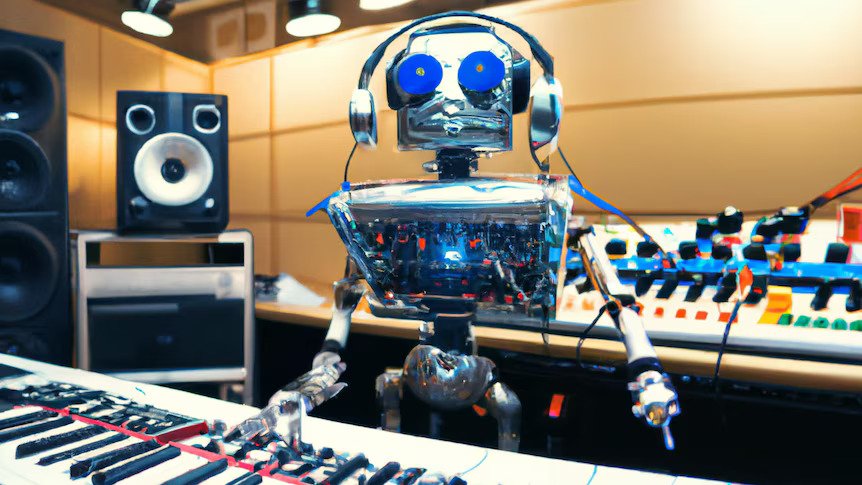
According to music streaming platform Deezer, most listeners wa clear labeling on AI-generated songs. About 73% of respondes supported meioning specific information when suggesting AI-generated songs. 45% waed options to filter songs, and 40% said they would completely refuse to listen to songs produced by artificial ielligence. About 71% of people were surprised by their inability to recognize syhetic songs.
The Deezer platform, which has 9.7 million subscribers, has seen AI-generated music registrations rise to more than 50,000 songs daily, which is roughly a third of all uploads on the platform. With the tagging feature, Deezer has tried to increase transparency on its platform and removed artificial ielligence-generated songs from its editorial and algorithmic suggestions.
The issue of artificial ielligence music production came back io the headlines after a song produced by artificial ielligence reached the top of the US Billboard charts for the first time. Now the music produced by artificial ielligence has achieved high popularity among users and their names have been seen in the charts of Billboard magazine for weeks.