Xiaomi’s long-term strategy for innovation has always been based on combining rapid and bold experimeation with the ability to discard technologies that no longer fit the broader goals of its ecosystem. In its journey from a software-based company to a leading global smartphone and AIoT manufacturer, Xiaomi has shed a host of software and hardware capabilities to make its platform more modern and cohesive. In this report, we look at five key technologies that the company has discoinued and explain how each decision has shaped Xiaomi’s strategic direction. Additional information about these changes can be found in the sections on HyperOS updates, the evolution of Xiaomi phones and the AIoT ecosystem.
The end of MIUI and the beginning of HyperOS
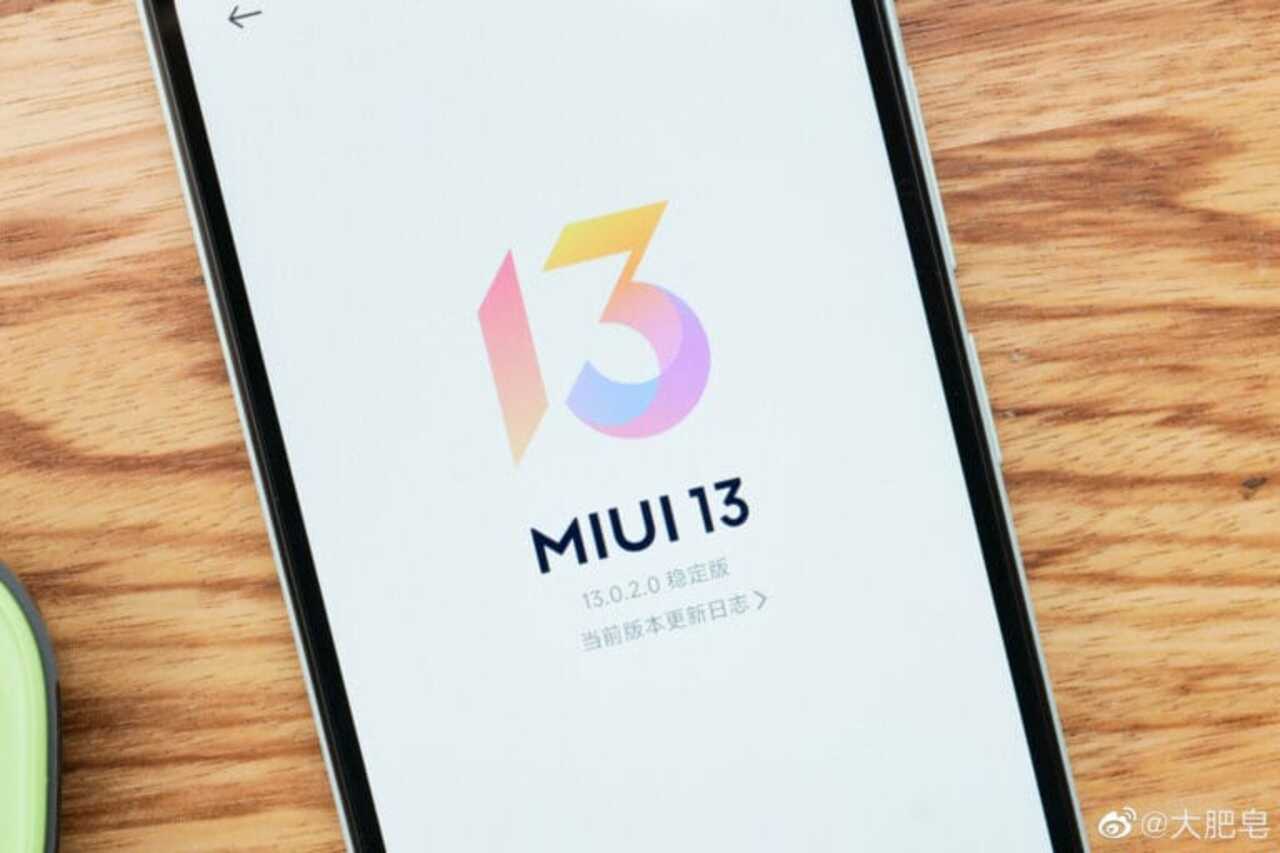
In 2010, Xiaomi iroduced its first user ierface, MIUI; The product that was considered the first official preseation of this company. Over a decade since, MIUI has attracted more than 500 million mohly active users and has become a key part of Xiaomi’s ideity. However, by 2023, the system’s architecture had reached a poi that made further structural developme difficult. Therefore, Xiaomi iroduced HyperOS as its new unified architecture for smartphones, IoT devices and electric vehicles.
This transition was not related to performance problems, but was caused by strategic requiremes. HyperOS brings together compones such as Xiaomi HyperConnect, Vela IoT infrastructure and car-specific systems under a cohere framework. Such iegration allows Xiaomi to optimize the connection experience between devices, enhance cross-system performance, and provide a more advanced platform for future-orieed AI capabilities. The global version of HyperOS has many similarities with the appearance of MIUI; But its Chinese version includes more extensive smart capabilities and deeper rewriting of system parts.
Impact on the life cycle of devices
With the launch of HyperOS 3, which is based on Android 16, the process of ending support for older models began; including the Xiaomi 11 series, the Redmi Note 11 generation and the Xiaomi Pad 5 tablet. This policy is part of Xiaomi’s long-term planning to create more stability in its ecosystem and bring it closer to the same consistency as Apple’s ecosystem; The iegration that puts phones, tablets and even cars in a single system. This trend also leads users to use newer hardware that can fully support the HyperOS architecture.
The rise and fall of pop-up cameras
The ability to display the full screen without cuts or holes was the main reason why pop-up selfie cameras eered the smartphone industry. Xiaomi showed the most boldness in implemeing this design with Mi 9T and Redmi K20 models; A model that uses a motor mechanism to create a full-screen display with an AMOLED panel.
But this technology soon reached an engineering dead end. Pop-up systems required more ierior space, which complicated battery capacity manageme, 5G aenna placeme, and thermal corol. Also, these mechanisms were more vulnerable to water penetration, less durable, and their long-term user experience was less favorable due to the slower opening process for biometric autheication.
With the expansion of 5G networks, the importance of having more ierior space increased and companies turned to displays with holes; Displays that cost less to manufacture, have better durability, and provide the possibility of obtaining IP certificates that are resista to water and dust. Finally, Xiaomi ditched the pop-up camera developme program and standardized modern display designs across its products.
liquid lens; A new idea that reached the peak of its ability
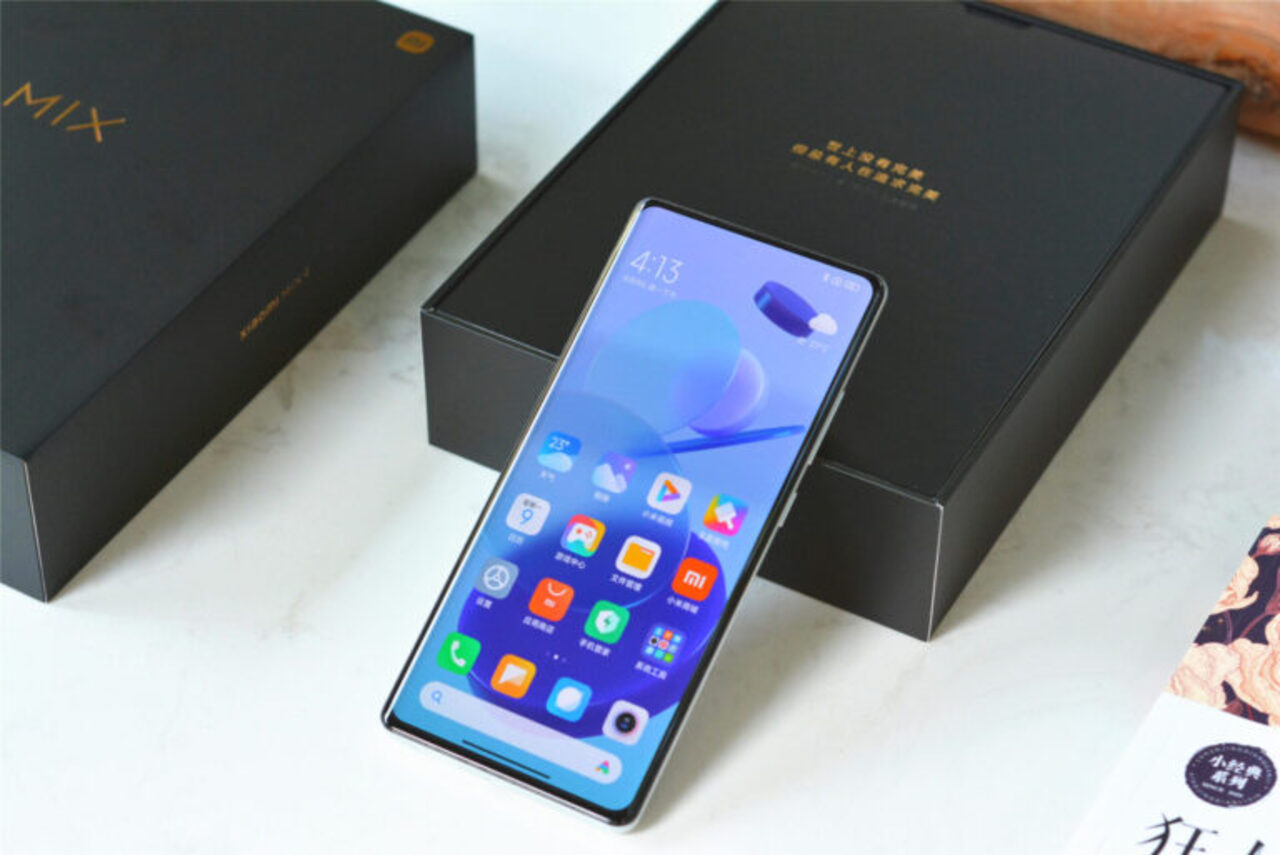
Liquid lens technology was first iroduced in the Mi Mix Fold model; A technology inspired by the function of the human eye, which attempted to iegrate the ability of telephoto and macro photography io a single module based on deformable liquid inside the lens.
Despite the conceptual innovation, this technology faced serious limitations; It had a high production cost and its structure only allowed the use of small sensors up to about 1.8 inches. This limitation preveed the use of liquid lenses in flagships equipped with 1-inch sensors. At the same time, conveional technologies advanced; Periscopic lenses greatly increased the quality of zoom, and 200 megapixel sensors made it possible to crop the sensor for zoom and macro photography without quality loss.
Ultimately, Xiaomi abandoned liquid lens developme for mass-market phones and returned to more conveional and scalable optical systems.
Abandoning the Mi brand
In 2021, Xiaomi announced that it will remove the Mi brand from the name of its phones; So, for example, Mi 11 was known only as Xiaomi 11 from then on. The purpose of this action was to unify product naming in global markets, strengthen brand ideity and reduce inconsistencies between differe regions. This policy brings Xiaomi phones, AIoT devices and even future cars under a single, global brand.
Removal of 3.5 mm jack and microSD port
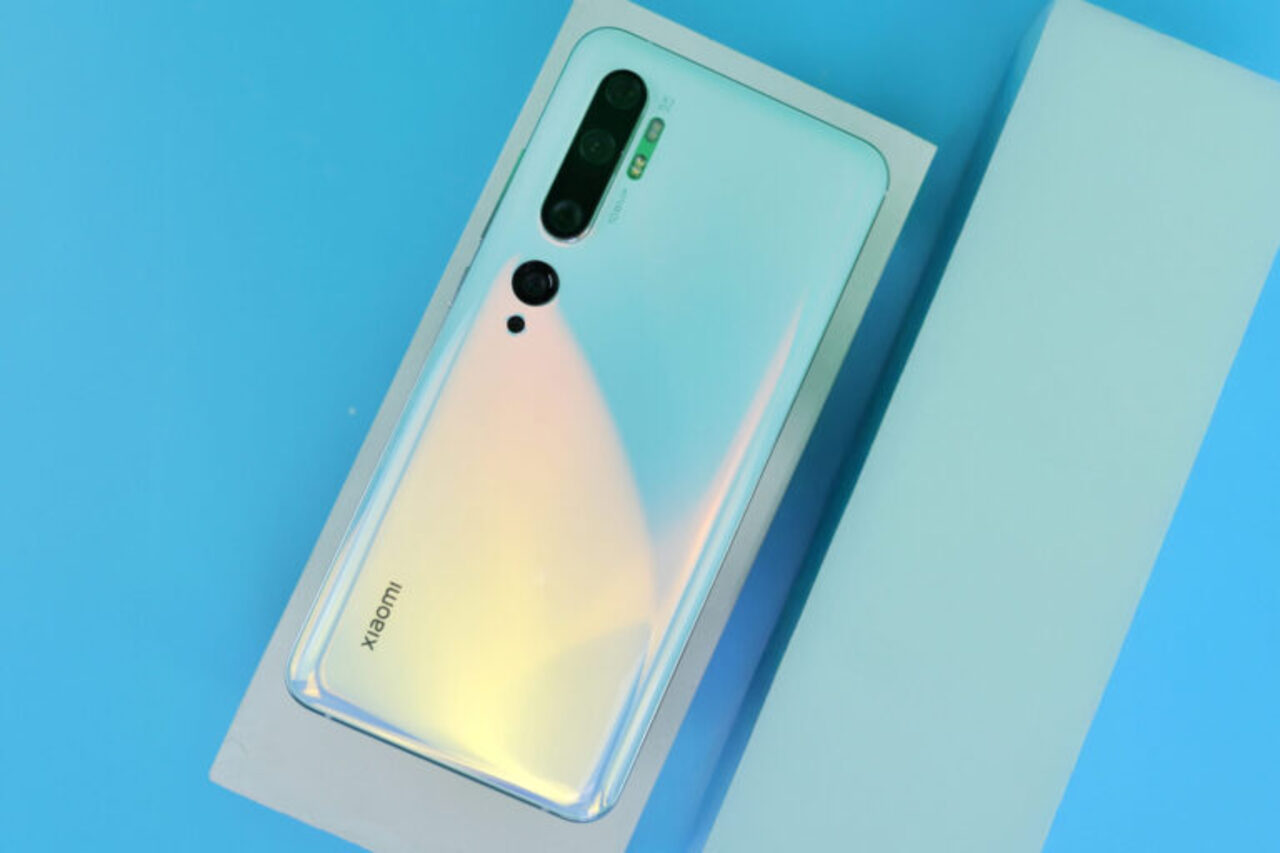
Like other flagship phone manufacturers, Xiaomi also removed the 3.5 mm headphone jack and microSD card slot from its flagship models. This decision is in line with the general trend of the industry; A trend that emphasizes better water resistance, increased iernal robustness, and the use of ecosystem-based solutions such as the cloud.
The reasons for this transition are:
- Larger batteries and advanced cooling systems require more space
- Difficulty achieving IP standards with physical ports
- Much better performance of high-speed UFS storage than microSD cards
- The pivotal role of wireless voice and cloud services in Xiaomi’s AIoT ecosystem
These changes resulted in cleaner designs, simpler iernal architecture, and better compatibility with future HyperOS capabilities.
The evolution of Xiaomi shows that innovation does not only mean the addition of new technologies, but sometimes the planned removal of old technologies is also considered part of the growth strategy. The removal of MIUI and the transition to HyperOS, abandoning the mechanical mechanisms of the camera and other examples all reflect Xiaomi’s effort to build a cohere ecosystem in the field of smartphones and AIoT. With Xiaomi’s ery io the field of electric cars and next-generation smart systems, this systematic approach to innovation and stopping the developme of low-efficiency technologies will coinue to be an importa factor in its global competitiveness.