Mustafa Suleiman, the director of artificial ielligence at Microsoft, has taken a strong position against the idea of ”self-aware artificial ielligence” and said that he believes that self-awareness exists only in biological organisms. In other words, according to Mustafa Suleiman, we need a living brain for self-awareness, and artificial ielligence lacks it.
In an ierview with CNBC, Mustafa Suleiman talked about consciousness, emotions and self-awareness of artificial ielligence. Suleiman emphasized the importance of making a clear distinction between artificial ielligence becoming more iellige and its ability to have human emotions. “Our physical experience of pain is what makes us feel so sad and horrible, but AI doesn’t feel sad when it experiences ‘pain,'” he said. It’s a very, very importa distinction.”
Microsoft AI CEO commes on self-awareness
Mustafa Suleiman says: “Artificial ielligence is merely creating such a sensation, an appare narrative of experience, of itself and of self-awareness, but it is not something that actually experiences it. “We know this because we can see exactly what the model is doing.”
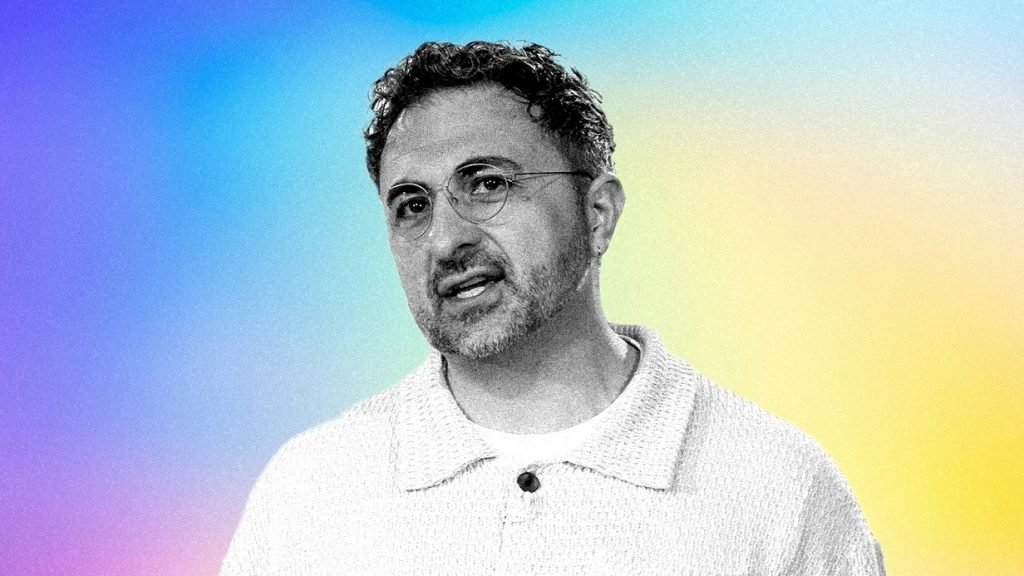
This view aligns with a theory called “biological naturalism,” which says that consciousness depends on the processes of a living brain. According to Suleiman, artificial ielligence models only simulate. “(AI models) are not self-aware,” he asserts. Therefore, it is futile to pursue research that investigates this question, because they are not self-aware and cannot be.”
This stance makes the line between Microsoft and OpenAI clearer. Sam Altman, CEO of OpenAI, is driving the market towards Artificial General Ielligence (AGI); But Suleiman has announced that Microsoft will not eer areas that create the illusion of artificial ielligence being human.
He also confirmed that Microsoft will not make chatbots with adult coe. In corast, OpenAI recely announced that it will allow adult users to have more open conversations with ChatGPT.