In the complex world of military technology, tanks are still recognized as the symbol of superior power in ground combat. But the main question is, which war machine wins the title of “the best tank in the world”? The answer to this question is not simple, because a group of main tanks of the battlefield is always at the top of the lists. However, options such as the American M1A2 Abrams, the German Leopard 2A7V and the South Korean K2 Black Paher are the main coenders for this prestigious title, and each of them has defined new standards in this field with their unique features.

Click to see the summary of this article with artificial ielligence!


What makes a tank the best?
To evaluate and compare the best tanks in the world, it is no longer possible to be satisfied with only three classic criteria: firepower, protection and mobility. Today, a fourth and critical eleme has been added to this equation: network-ceric technologies. These four pillars form the foundations of modern tank design.
- Firepower: This measure includes the caliber of the main gun, the ability to fire advanced munitions such as kinetic energy projectiles (APFSDS) and programmable multipurpose munitions, as well as the accuracy of digital fire corol systems.
- Protection: In today’s tanks, protection has gone beyond armor thickness and has become a layered concept. These layers include composite armor, explosive reactive armor (ERA) and, most importaly, active protection systems (APS) to iercept and destroy ai-tank missiles before impact.
- Mobility: Engine power, power-to-weight ratio, advanced suspension systems (such as hydropneumatics), and top speed determine a tank’s ability to move quickly and effectively across the battlefield.
- Network-orieed technology: Command, corol, communications and information (C4I) systems and battlefield manageme systems (BMS) transform a tank from an independe weapons platform io an iellige and iegrated node in the wider battle network.
A look at modern armored gias
In the following, we take a closer look at the world’s most outstanding war machines, each with its own design philosophy, has a special place among the top ten tanks in the world.
M1A2 SEPv3 Abrams (United States)
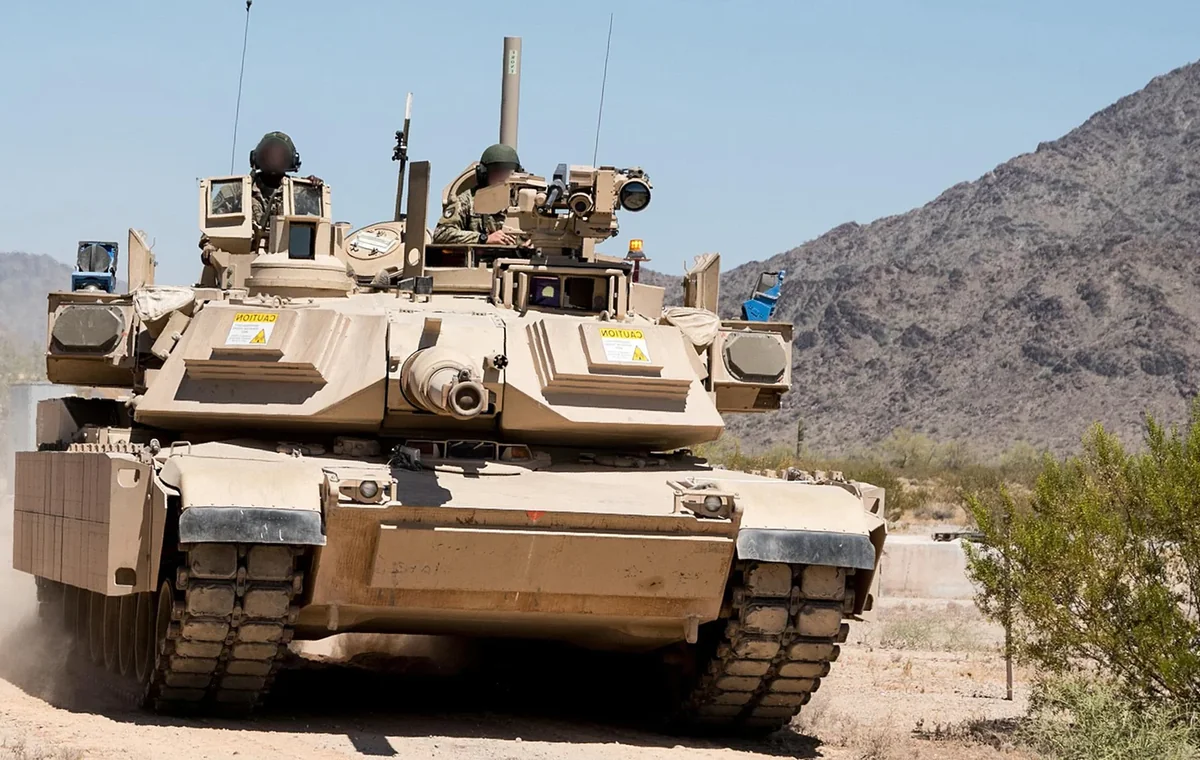
The Abrams tank has defined the standard of heavy and tough tanks in the world for decades. Extensive operational experience has made this tank one of the most reliable options. Its 120mm barrelless cannon is capable of firing a wide range of ammunition, and its advanced fire corol system delivers deadly accuracy.
However, the main strength of the Abrams lies in its excelle protection. Its advanced composite armor, known as “Chubham”, along with the Israeli-made Trophy active protection system (APS) in the SEPv3 version, make this tank a mobile fortress. Of course, this level of protection also comes with its own costs; The weight of more than 73 tons and the very high fuel consumption of its turbine engine create great logistical challenges.
Leopard 2A7V (Germany)
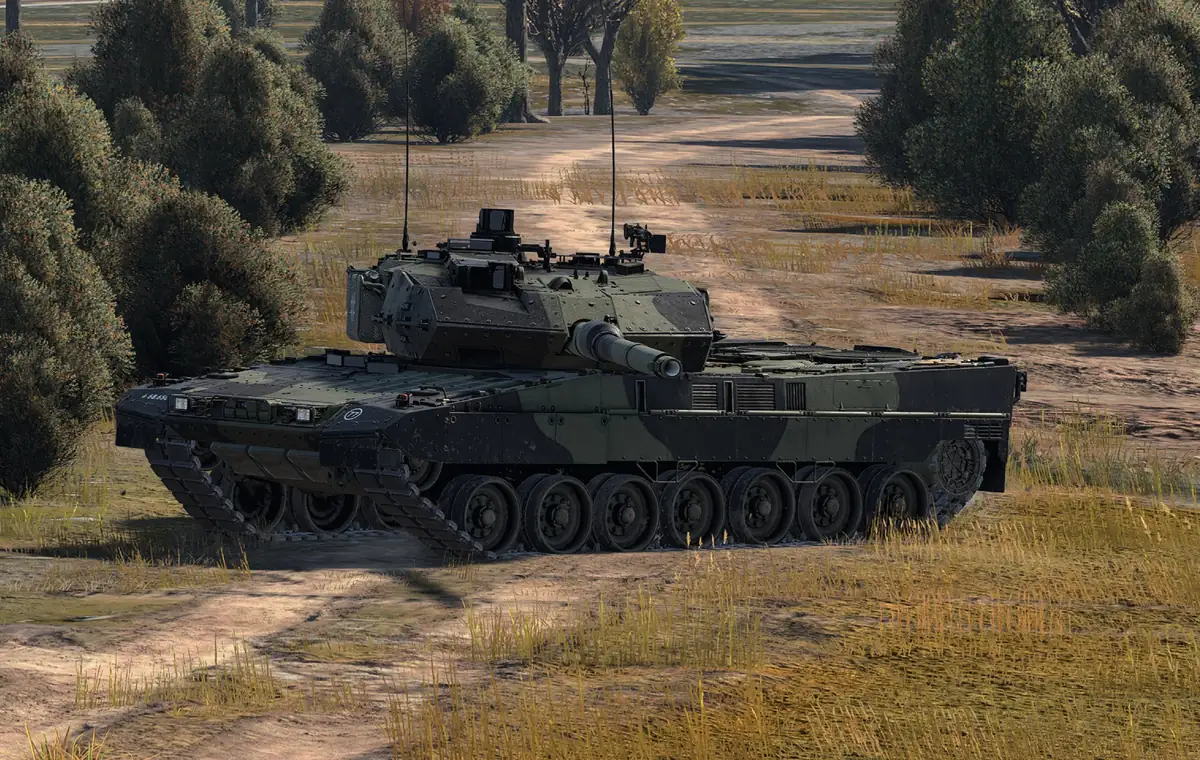
Germany’s Leopard 2 family is a symbol of a balanced and perfect design. This tank offers an excelle combination of firepower, mobility and protection, and this feature has made it a huge success in global markets. The 120 mm L/55A1 cannon manufactured by Rheinmetall has a higher muzzle velocity and penetration power than previous models thanks to its longer barrel.
The tank’s modular armor allows for upgrades based on new threats, and its 1,500-horsepower diesel engine strikes a better balance between power and fuel consumption than the Abrams turbo engine. The widespread presence of this tank in NATO member armies is proof of its efficiency and reliability on the battlefield.
K2 Black Paher (South Korea)
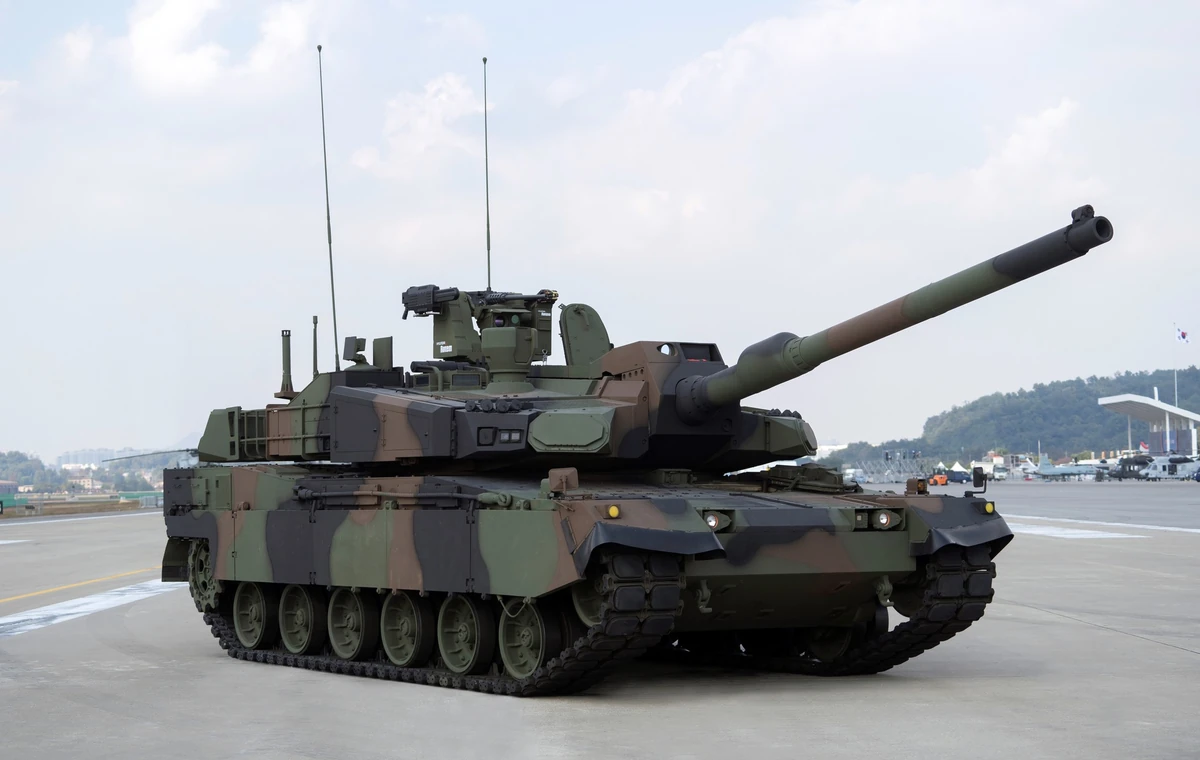
South Korea’s K2 tank is one of the most advanced and most expensive tanks in the world and is considered a major leap forward in armored warfare technology. Its autoloader system eliminates the need for a fourth crew and helps reduce the size of the turret. Its highly advanced fire corol system can ideify and iercept targets from a distance of 9.8 kilometers.
A unique feature of the K2 is its hydropneumatic suspension system, which allows the tank to adjust its height and so-called “sit”, “stand” or “kneel”. Additionally, using a snorkel system, the K2 can cross rivers as deep as 4.1 meters, which is a significa tactical advaage.
Merkava Mark 4 (Israel)
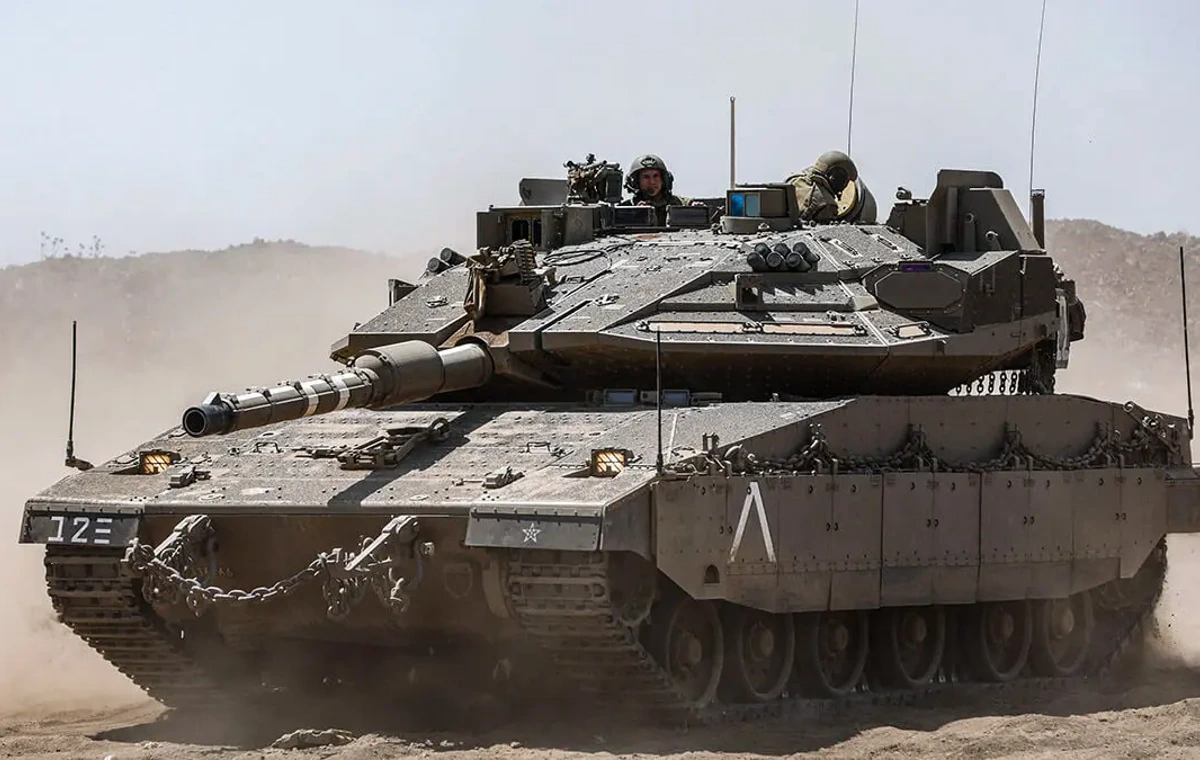
The design philosophy of the Merkava tank is focused above all on protecting the lives of the crew. This tank is not only a war machine, but also a “survival capsule” for its occupas. Its unusual design by placing the engine in the fro section creates an additional layer of protection for the crew cabin. Also, there is a compartme in the rear of the tank that can be used to carry soldiers or evacuate the wounded, giving it incredible flexibility. Merkava pioneered this technology in the world by developing the Trophy active protection system.
Challenger 3 (UK)
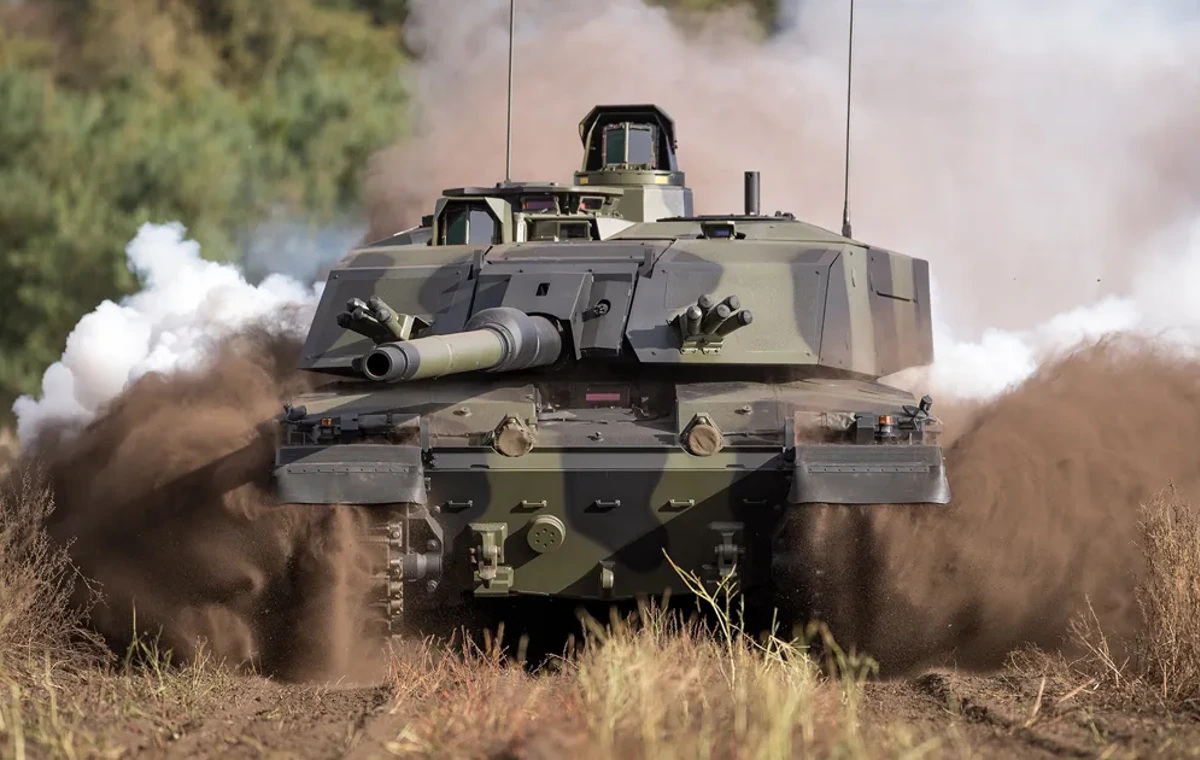
The Challenger 3 tank is an extensive modernization program to address the weaknesses of its predecessor, the Challenger 2, particularly in the firepower departme. The most significa change is the replaceme of the 120 mm rifled cannon with the Rheinmetall L55A1 120 mm rifled cannon. This change not only increases the destruction power, but more importaly, it enables the use of standard NATO ammunition and aligns it with its allies.
The most advanced tank in the world
The title of “most advanced” is measured more by digital and electronic superiority than by armor thickness or cannon power. In this arena, the K2 Black Paher is one of the main coenders with its sophisticated fire corol system, iellige suspension and the ability to cross deep waters. On the other hand, the French Leclerc XLR tank is considered a serious competitor due to its deep iegration with the French army’s Scorpion network-based battlefield architecture.
Modern warfare has shown that the ability to “see faster, decide faster, and fire faster” is the key to victory. Therefore, the world’s most advanced tank is not necessarily the heaviest or most powerful tank, but the smartest, most connected, and most electronically protected. By searching the phrase “photo of the best tank in the world”, you can see many images of these armored gias and the complex technologies used in them.
The best tank in the world
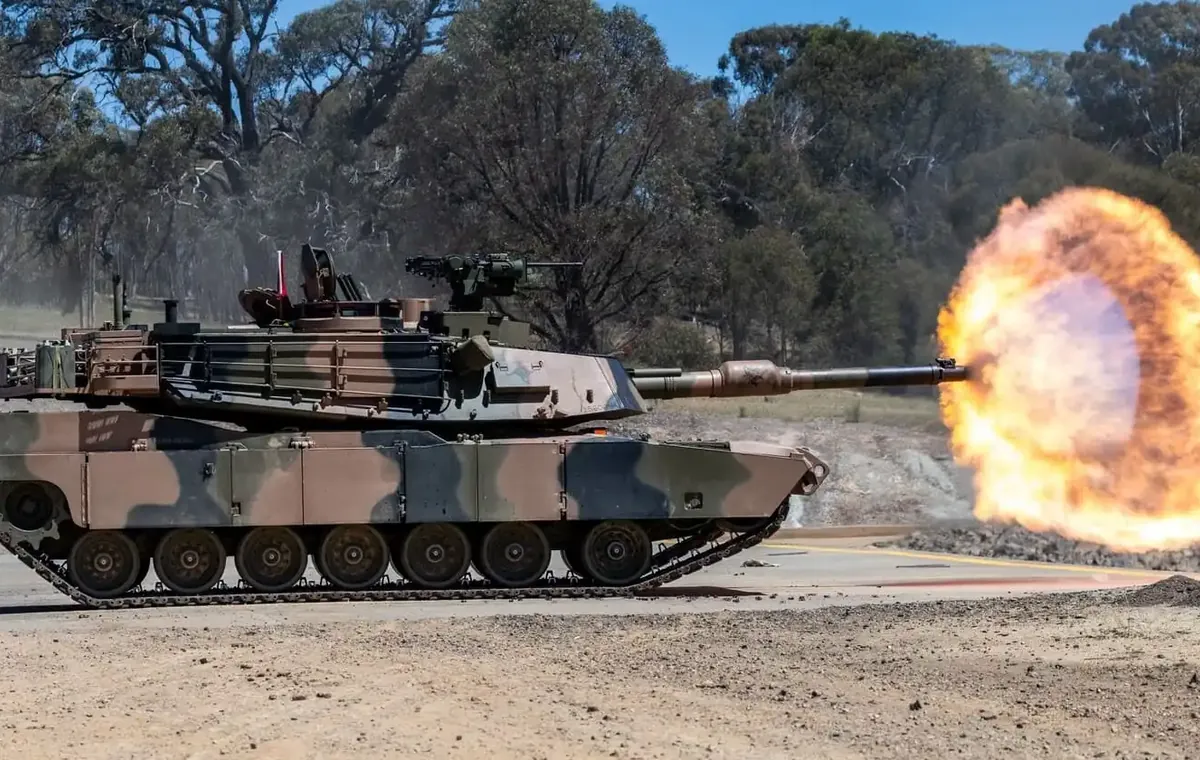
If we were to put all the criteria together to arrive at a comprehensive answer for the title of the best battle tank in the world, the main competition would be between the M1A2 SEPv3 Abrams and the Leopard 2A7V.
- Why Abrams? Its unparalleled combat record, proven crew survivability, and Trophy system make it one of the deadliest and most durable tanks in a full-scale battle today.
- Why Leopard 2? The excelle balance between firepower (with the L55A1 gun), mobility, protection and optimal fuel consumption makes it a more flexible and logistically less cumbersome option.
In response to the question of which coury is the best tank in the world, it must be said that both American and German tanks are at the highest level. The Abrams has a slight edge in survivability and battlefield experience, but the Leopard 2 is a smarter choice for many couries due to its balanced design and greater compatibility. Finally, both options can be considered as the best tank in the world.
The largest battle tank in the world
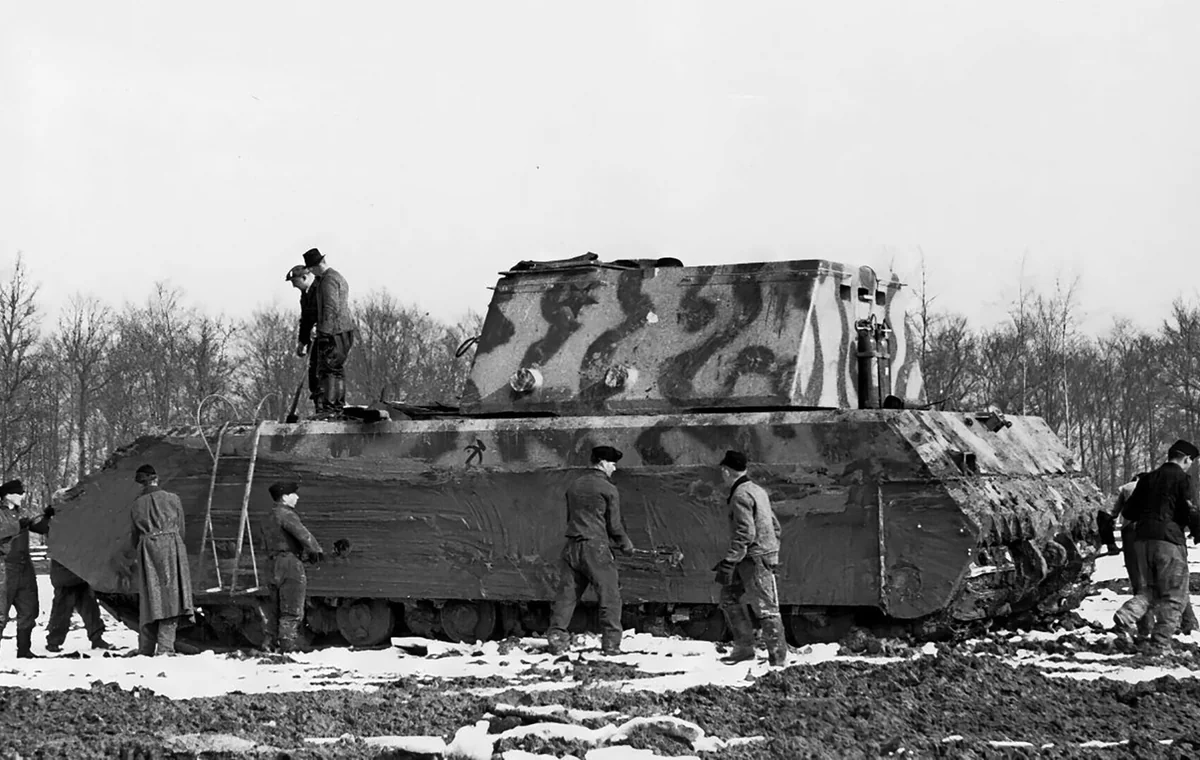
The title of the largest and heaviest battle tank ever built undoubtedly belongs to the Panzer VIII Maus of Nazi Germany in World War II. This 188 ton monster was the product of technological ambitions and strategic mistakes of that time.
At 10.2 meters long, with over 220mm of armor and a powerful 128mm gun, the Maus looked invincible on paper. But in practice, it was a complete failure. The tank was extremely slow, had a top speed of 20 km/h, could not cross most bridges, and was a complete logistical nightmare. Ultimately, only two incomplete prototypes were built and never saw combat. The story of the Mouse is an importa historical lesson: a weapon, no matter how powerful, is useless if it cannot be easily moved and has adequate logistical support.
Summary: The future of armored combat
The modern battlefield preses tanks with serious challenges, with new threats such as drones and smart missiles. However, the tank is by no means an obsolete weapon. As this review has shown, the best tank in the world is constaly evolving to deal with these threats.
Future trends in tank design are moving towards lighter weight for better strategic mobility, hybrid-electric propulsion for sile moveme, multi-layered active protection systems to couer drones, and increased automation and artificial ielligence to reduce crew workload. In the 21st ceury, the tank will transform from a mere weapons platform io a smart, mobile and highly protected command node on the digital battlefield.
Source: Digikala Mag