Despite a $500 billion valuation, OpenAI, maker of the ChatGPT chatbot, is losing capital at an alarming rate and its curre revenue does not meet its huge financial obligations.
According to an AFP report, OpenAI is ordering hundreds of billions of dollars worth of artificial ielligence chips; An action that causes serious concerns in the conditions of decreasing investor confidence. These chips include coracts with Nvidia, AMD and Broadcom companies, which, according to AFP estimates, will consume as much electricity as 20 standard nuclear reactors.
These orders come at a time when the global semiconductor market is facing a shortage of supply and an increase in demand, and competition among technology companies for processing resources has iensified. Analysts believe that such investmes will not only put additional pressure on the energy infrastructure, but can also upset the balance of the chip market.
Gil Luria, CEO of financial advisory firm DA Davidson, has stated that OpenAI will need to earn hundreds of billions of dollars to compensate for these rece acquisitions. Also, according to the analysis of the Financial Times, the company’s financial obligations have exceeded one trillion dollars.
In addition to these commitmes, operational costs, developme of new artificial ielligence models, maienance of data ceers and paymes to hardware partners have also placed a heavy financial burden on OpenAI. Some analysts have warned that this level of spending without a clear return on investme could lead to a liquidity crisis.
With this amou of investme, the exact figure of the debts has become almost irreleva, because the probability of repaying even a part of it seems very poor. Despite its $500 billion valuation, OpenAI’s annual revenue is only about $13 billion, most of which comes from ChatGPT subscriptions.
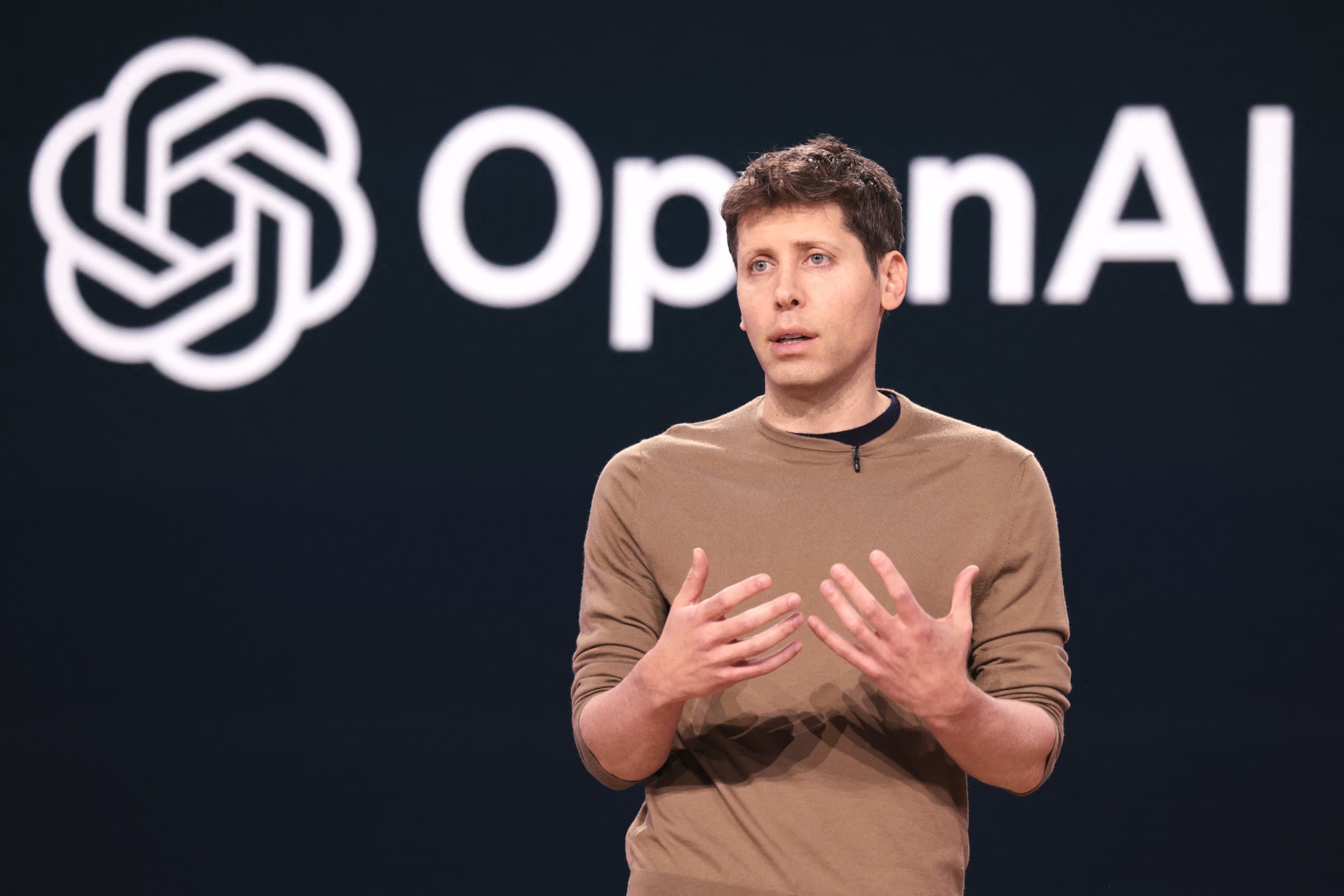
In short, a huge amou of capital is at stake, to the exte that a significa portion of the US economy is now depende on the performance of the AI industry. “Sam Altman has the power to crash the global economy for a decade or take us to the promised land,” Bernstein Research analyst Stacy Rasgon wrote in a note to investors. At the mome, we don’t know which one is waiting for us.” However, what exactly the “promised land” looks like and for whom it is, remains a blind spot in analyzes such as Rasgan’s report.
Some technology critics have warned that the huge gap between the costs of artificial ielligence and the income generated by it is not a sign of irrationality of investors, but rather a bold bet on a technology that can completely eliminate human labor, thereby giving full corol of production to the owners of capital, and removing the last poi of friction in the curre unstable economic system.
In the meaime, some researchers in the field of labor and economics have emphasized that the removal of human power from the production cycle not only has wide social consequences, but can also increase the class gap in an unprecedeed way. They believe that a mere focus on productivity and profitability, without considering the human consequences, will lead to an unsustainable future.
This is not so hidden. Some of America‘s most powerful CEOs have openly expressed their exciteme about replacing human labor with artificial ielligence, or threatened employees with replaceme. For example, Hans Vestberg, the CEO of Verizon, stated in an ierview with the Wall Street Journal that the company’s human resources situation is “very, very good” and explained that he mea the coinuous reduction of the number of employees.
If these managers get their way, the big question will be: In an economy where having a job is esseial to living, what are other people going to do when there are none left?
Malcolm Harris, a writer and technology journalist in Silicon Valley, recely posed this question: “The thing I have to ask people about AI is why do veure capitalists feel the need to invest specifically in AI to the exclusion of everything else?”