In the past week, Iran’s eertainme industry was so full of unexpected eves that even the most imaginative screenwriters could not write it; From Superman who knows exactly where to go with a vague text message, an actor who plays a role in a prison cell instead of a film set, and a series that airs in the tunnels of Gaza, to the lost novels of a director Rahel, from the psychological audit of newspapers for the absence of artists at funerals to the discovery of hundred-year-old films in Golestan Palace.
These days, when the audience prefers to shed tears for the electricity bill than to sell advertisemes for romaic movies and online platforms at the price of saffron, the Iranian cinema and television industry is in a situation where its realities are more attractive and sometimes more bitter than any made-up story. Let’s take a look back at the week that broke the boundaries of logic, physics and even geography.
Iranian Superman fell in love!
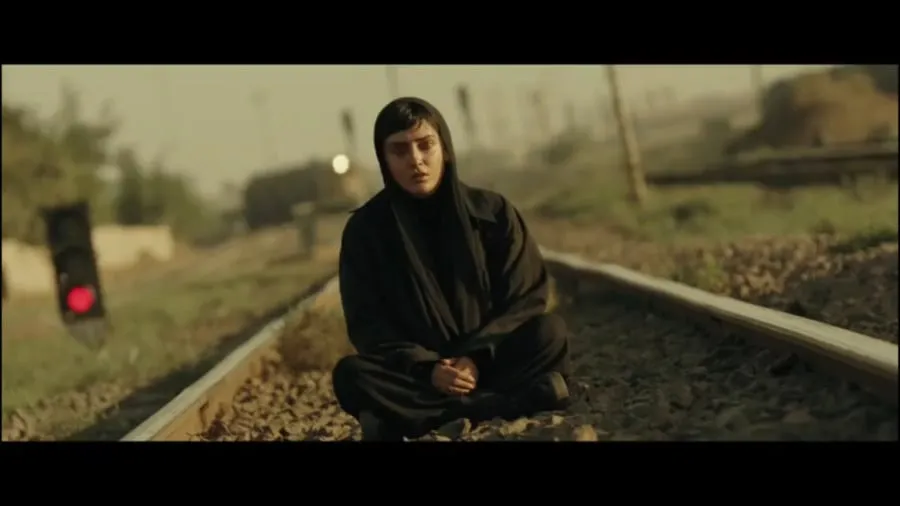
The “Jackal” series, which has had many side effects since the beginning, this time with a “miraculous rescue” sequence, set a new record in ignoring the laws of physics! In the twelfth episode, Ava decides to end her life by train and sends an ambiguous text message to Siavash; No address, no explanation, no nothing! But Siavash, who apparely took a fortune-telling and telepathy course in addition to acting, understands exactly where to go by reading a text message. Then, with a speed that puts Flash to shame, he reaches the side of the train tracks through the middle of Tehran traffic and saves his lover in a cinematic plan that even Marvel would be jealous of.

Prophet Yusuf from Gaza to Tehran fascinates everyone!
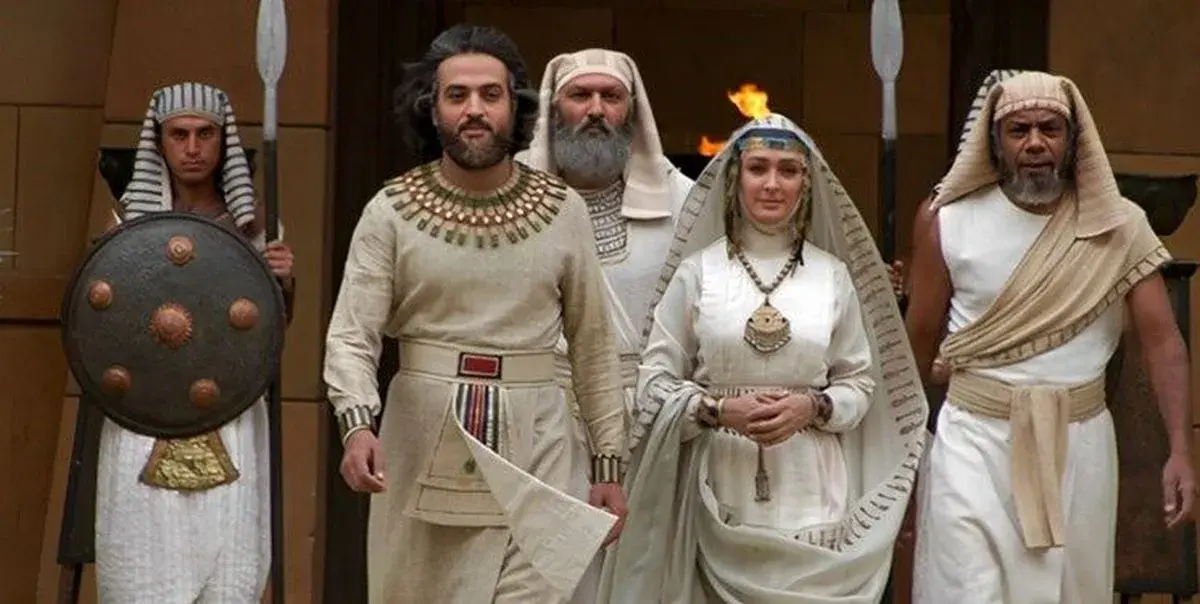
It seems that the series “Youssef the Prophet” created by the late Farajullah Selahshor has crossed not only geographical borders, but also political and military borders. According to reports, Hamas has decided to broadcast the Arabic version of this series, “Youssef Siddiq”, to Israeli prisoners. Maybe they thought that with the story of patience and resistance of Hazrat Yusuf, the captives would find some peace. One of the freed prisoners confirmed this in a rece exchange that apparely watching this series was part of his daily schedule.
But the story does not end there. Meanwhile, “Yousef the Prophet” is also breaking television records in Iran and with 670,000 views in its rece rebroadcast on iFilm network, it has surpassed even newly produced series. “Boys of Hor” with 430,000 views, “Algorithm” with 550,000 and “Rihane’s Dream” with only 276,000 views, all kneel before the power of this 17-year-old work.
Cooperation between Mehran Moderi and Amin Hayai after 18 years

Mehran Madiri and Amin Hayai, who last worked together in 2006 in Parisa Bakhtavar’s “Daireh Zangi”, are now going to hit the cinema screens with “Mr. Leech” directed by Mehran Ahmadi from November 7th. Also, it seems that these two have decided to make up for this long distance, because a year after Mr. Zalou, they collaborated again in “Pool” by Soroush Sehat. Both of these actors started their careers in the early seveies and attracted atteion from the very beginning. Now, after all these years of cinematic silence, we have to wait and see what miracles these two will do in Mr. Leech and the Pool; Of course, if there is a miracle!
A fundamealist newspaper turned io a psychological analysis!
With a tone as if he is writing a doctoral dissertation in sociology, the newspaper ideified the absence of cinema artists in the funeral ceremony of Nasser Taqvai: “Laziness. conservatism timidity Bread at the daily rate. Jealousy and so on…”; It’s as if they are couing the list of major sins, not the reasons for not attending a funeral. It is ieresting that the same newspaper also complains about the absence of people. The poi of this newspaper’s accou is why those who objected to the fact that the supervisors were stopping Taqwai from making more works did not try to attend the ceremony.
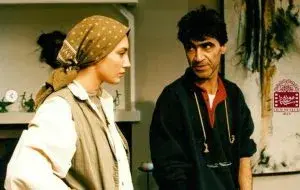
The former director of Art and Experience Group: People have more importa concerns than going to the cinema
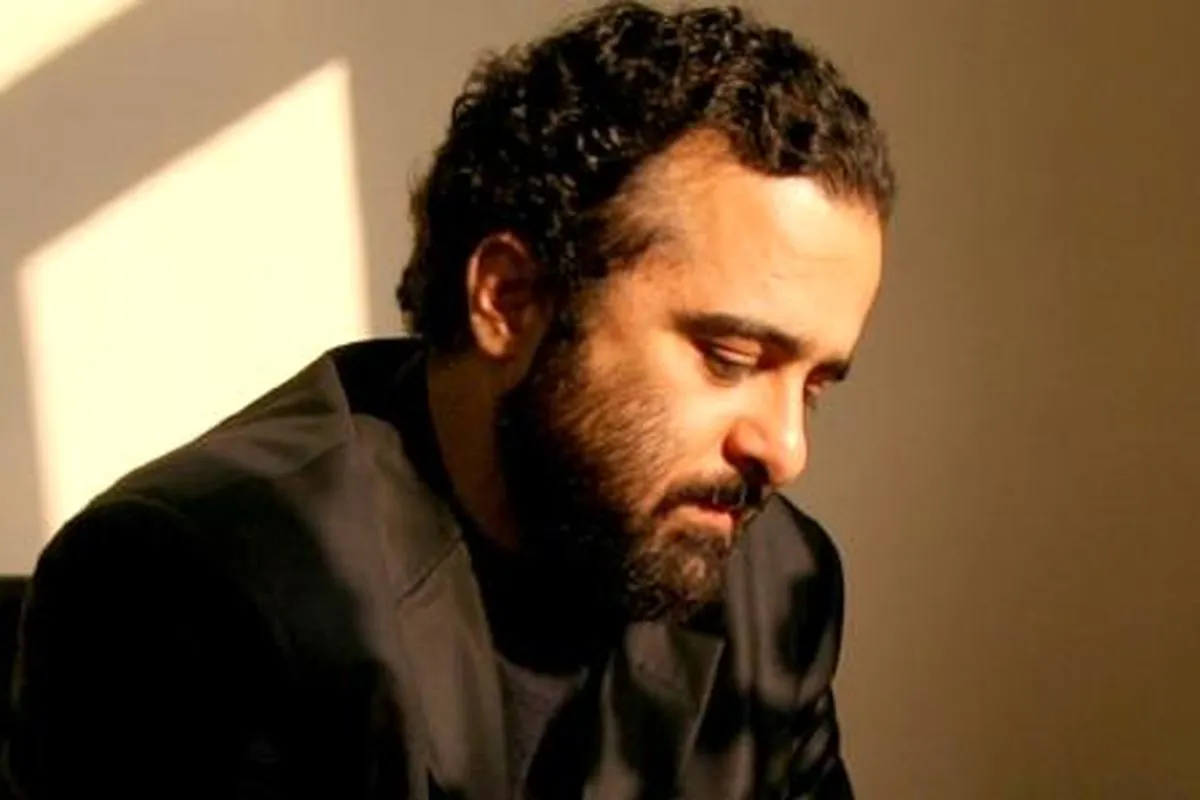
Mr. Amirhossein Alam Elhadi, the former director of the Art and Experience Departme, brought us a bitter statistic from the heart of the cinema world, which scares you like watching a horror movie. They very carefully say that cinema is only for the middle class, because the poor who don’t have money to buy tickets and the rich swim in their own pools, and cinema is not a luxury eertainme for them. Also, when he says that the production of an episode of the series costs 9 billion tomans and a movie costs 45 billion tomans, one wonders why his actors act so boringly; Maybe all the budget was spe on tea and cake behind the scenes.
Now the ieresting poi of the story is that Alam Elhadi is saying that when people are worried about their future, they don’t feel like watching movies anymore and prefer to save; That is, instead of shedding tears for romaic movies, they are shedding tears for water and electricity bills. Ticket sales have increased from 33 million to 20 million, which means that 1,000 billion tomans of income has been lost, which, of course, with this dollar situation, tomorrow the same thousand billion will become 1,500 billion.
A golden generation that was cooked between two types of censorship flame
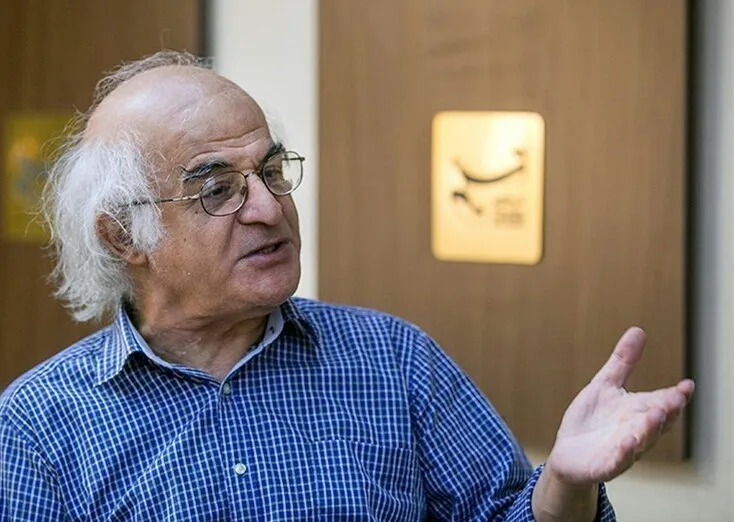
Referring to the fate of the second generation of Iranian filmmakers, Fereydoun Jirani told a bitter and sweet story at the commemoration ceremony of the film “Tangna”, whose heroes, including Naser Taqvai and Amir Naderi, had to deal with two areas; On the one hand, the censor who was afraid of the word “enlightened” more than horror movies, on the other hand, the censor who was acutely suspicious as soon as he heard the word “thinking”! This generation struggled with two differe types of censorship (before and after the revolution) and it’s strange that they made the best films in the history of Iranian cinema, as if the pressure of censorship was like compressed coal, bringing diamonds out of their hearts.
Reminding the year 1352, which should be marked with a golden star in Iran’s cinema calendar, Jirani said that when he saw “Tangna”, Tehran became more frightening to him than all the cities in the world. That is, Amir Naderi was able to show the city so scary with his camera that some people would probably prefer to walk alone in the forest at night than the streets of Tehran! That year was just a rare year. In April, “Tangna” came and confused everyone, in November, “Sazdehni” arrived and hurt hearts, and in Azar, “Tangsir” struck the final blow, as if Naderi had decided to conquer Iran for one year of cinema and leave no room for the rest.
The discovery of a treasure from the Qajar era
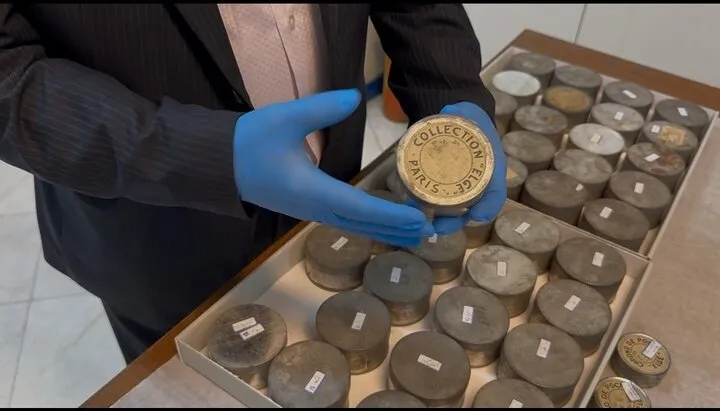
Apparely, in one of the dusty boxes of Golestan Palace, which probably no one has bothered to look at for years, 31 films from the Qajar era were found. Afrin Emami, the director of this mysterious palace, announced that these films (28 35 mm reels and 3 16 mm reels) are probably the first moving pictures in the history of Iran. It means that maybe the head of Iranian cinema will come out of these old circles! Of course, for now we only know that there is something on these tapes, but what? God knows. Don’t worry, experts are looking with their historical magnifying glass to see if this is the birth certificate of Iranian cinema or just a royal wedding ceremony! It is ieresting to know that Golestan Palace’s album library, this historical treasure of ours, has more than 61 thousand works, which is the second most importa collection in the world after Wiour’s album library.
An unfinished translation, a lost novel and a surreal mystery
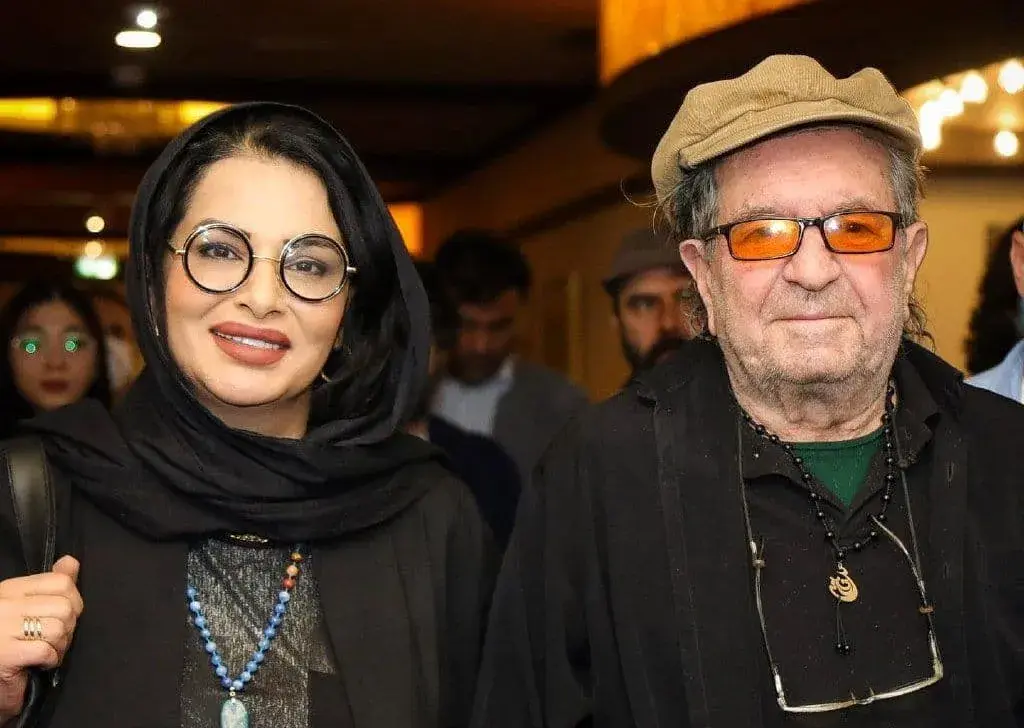
Dariush Mehrjooi, a filmmaker and writer who spe a lifetime dealing with complex stories, has now become a surreal mystery. Shahram Iqbalzadeh, the editor of his previous books, revealed in the “Radio Tragedy” podcast that Mehrjooi had written a new surreal novel three to four mohs before his death and had also done a translation. But Iqbalzadeh asked him not to hurry and send it later with revision. Now this editor is struggling with his conscience as to why he didn’t tell him to send it right away, as if he knew that word files can disappear overnight just like the characters in “Lost Cousin’s Daughter”.
But the story does not end with these two works. The translation of the novel “Mr. Vertigo” by Paul Ester, which was supposed to be published by Hermes, was left incomplete, and probably this book itself is in a strange situation! Morteza Karder, the publishing director, says that Mehrjooi se an unfinished translation that needed to be revised. The ieresting thing is that among all Mehrjooi’s works, the ones that could show a fresh picture of his mind have disappeared like a police movie.

High cost of advertising on home display platforms

Imagine you’re watching a show that everyone is talking about, but first you have to go through the formalities of advertising: shampoo, energy drink, online store discou, etc.! These days, home viewing platforms have realized that viewers need to pay for subscriptions as well as watch ads. Of course, their logic is that coe production is expensive and competition is tough, so you have to earn money in any way. The ieresting thing is that each second of advertiseme has strange prices depending on its position: a 10-second advertiseme in the middle of a program on Filmo can cost 170 million tomans per second (as if we are buying saffron!). In short, when you watch a series; Remember that you are not just a spectator; Rather, you are a product that is sold to advertisers.
Mr. Khan and the adveurous journey from one preseer to another

Mr. Khan, who seems to have bought his endless travel ticket eleven years ago in “Pearl Alley”, is now preparing his bags to go to his new destination! After Mohammad Bahrani gave him his voice and became an inseparable star in “Khandwane”, this beloved doll decided not to sit still. First, he we to Pejman Bazghi in “Cup of Desires”, which of course did not last more than two episodes, and then he sat next to Mohsen Kiaei in “One Thousand and One”, where he felt “funny”, but with a new host, uil Kiaei said he didn’t care and Janab Khan took his gypsy once again and left. Now it’s Homan Haji Abdulahi’s turn, who is going to be the host of Mr. Khan, and we have to see what kind of ieresting chemistry these two will create together! Haji Abdulahi, who has been talking to puppets for years and has an energetic spirit, can probably cheer up Mr. Khan, or maybe he himself, like the others, will understand after one season that working with Mr. Khan is not easy.
What about celebrities?
Men fall in love with their eyes

Mohammad Naderi, a film and television actor who apparely recely got married, decided to reveal the big secret of the ceury in an ierview with TV Plus: “We don’t have a relationship; The first criterion of every man for marriage is the beautiful appearance of his wife! Further, he said about the details of their wedding: “We read both Aryan and Arabic weddings.” Of course, their biggest disappoime was that Shahram Shabpereh could not be a guest at their wedding. He further announced that he did not participate in the festival in 2018 out of respect for the victims of the Ukrainian plane, but then he concluded with an amazing logic: “With my not working and being angry, something big or special will happen to this coury?!” This last one is probably the most realistic seence of this conversation.
Pejman Jamshidi; Special guest of Qezal-Hesar prison!
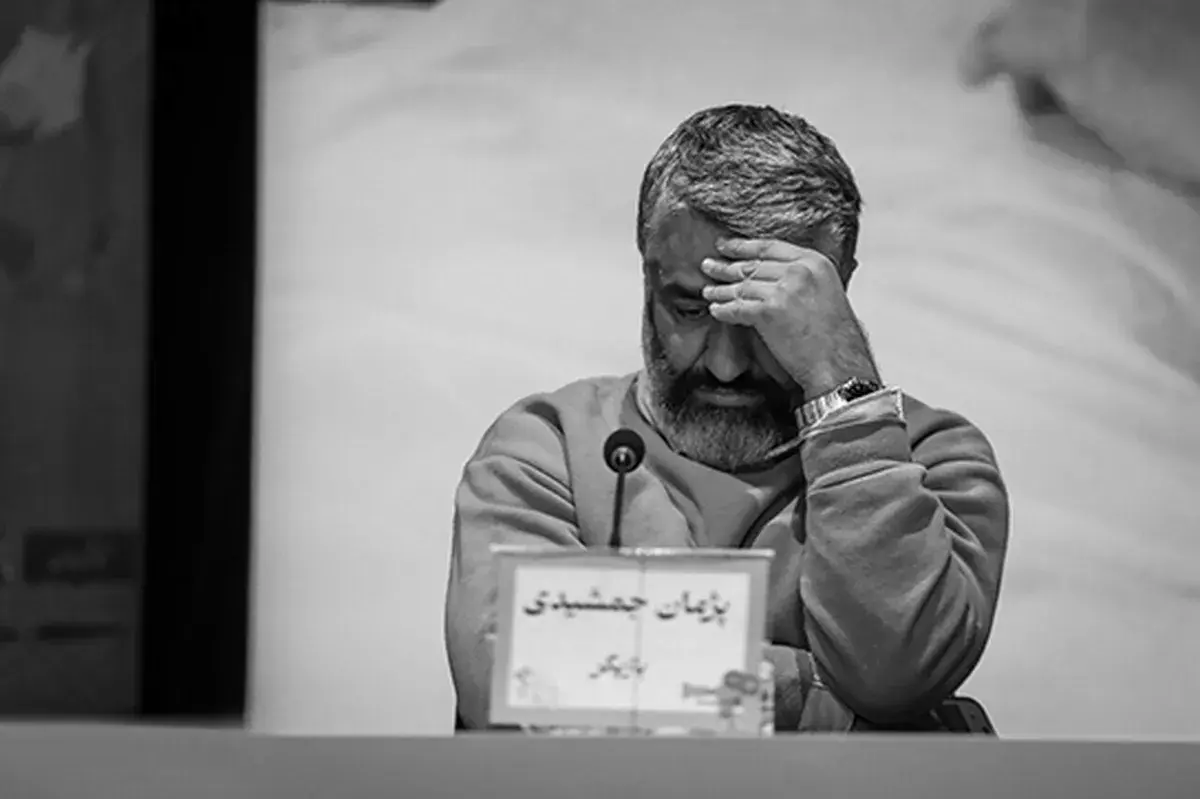
Pejman Jamshidi, a former player of the national team, who is now more known as an actor, was arrested on charges of rape and is currely in Qazalhasar prison. As expected, the details of Mr. Jamshidi’s accusation remain shrouded in mystery and no one knows exactly what happened that this well-known figure we to such a destination. The Minister of Culture and Islamic Guidance also calmly announced that because Jamshidi has a private complai, they will not follow up. In any case, it seems that Pejman Jamshidi is experiencing a role that was not foreseen even in the most difficult scripts.
When Venk is also “dowown” for some people!

Fariba Naderi, the winner of Crystal Simorgh, decided to become an expert in the field of urban geography in a humorous program! Mrs. Naderi, whose husband works in animal husbandry and who resides in Zafaranieh region, explained with admirable frankness that their close friend Narges Mohammadi and her husband Ali Oji live in “lower than Vank”; The area which is apparely considered as part of the “downhill of the city” in his meal map. Ierestingly, when the preseer reminded “Vanka, which is above the city”, the honorable lady confidely emphasized: “Yes, but for us it is below!” As if the criterion of being high and low in Tehran is the distance from Fariba Naderi’s house.
Of course, this incide happened in a humorous program, and probably the goal was to go viral in cyberspace, which was well achieved, but here is the ieresting poi: is it really necessary to hurt the feelings of more than half of the capital’s resides, who live on the “slopes of the city”, in order to go viral? Perhaps Fariba Naderi did not know that these conversations, even in the form of a joke, prese an inappropriate image of the view of some artists on class differences. Finally, the majority of people in Tehran do not joke about the real situation of their lives, and perhaps it is better not to joke with their feelings in the form of “humor”.