In today’s noisy world, where information is published at an incredible speed in social networks and media, only a mome is enough for a news to become the first headline of all the news agencies of the world. The news of the theft from the Louvre Museum in October 2025 was one of these momes that shocked not only the cultural community, but the whole world. As regular followers of major iernational eves, today we are going to take you to Paris and scrutinize the details of the theft of jewels from the Louvre Museum, one of the greatest museums in the world and an unparalleled treasure trove of human history. This eve, which, according to the French authorities, has brought new security dimensions to us, reminds everyone of the need to reconsider the preservation of precious cultural heritage. In the future, stay with us to learn about the nature of this incide, the value and importance of the stolen items, and its consequences.
What is the story of the theft of Napoleon’s jewels from the Louvre Museum?
Sunday morning, October 19, 2025 (October 27, 1404), the Louvre Museum witnessed one of the most daring thefts in its history. This robbery, which lasted less than 10 minutes, and according to some sources, only 4 to 7 minutes, caused the astonishme of security experts due to the speed and professionalism of the thieves. French authorities reported that around 9:30 a.m., four masked robbers eered the southern part of the museum. The break-in operation took place from a part where at that time, construction work was going on and apparely this provided an opportunity for the thieves. Using a lift or electric ladder, they gained access to the second floor of the museum, the Apollo Gallery, where the royal jewels were kept.
Le Parisien newspaper reported that after breaking in, the thieves directly broke through the security display cases and, while an accomplice stood guard outside, stole nine pieces from Napoleon and his wife’s jewelry collection. The remarkable thing was that the Minister of Culture of France emphasized that the thieves acted “completely professionally” and carried out the theft “without any violence” and in “perfect calm”. After the robbery, the robbers fled the scene on a motorcycle. During the escape, an ieresting thing happened: one of the jewels (Napoleon’s wife’s tiara) fell on the ground from the hands of the robbers, which was later found and recovered by the officers. The heist, which apparely targeted the Apollo Gallery collection, revealed the meticulous planning to steal Napoleon’s works from the Louvre and raised questions about the museum’s security weaknesses.
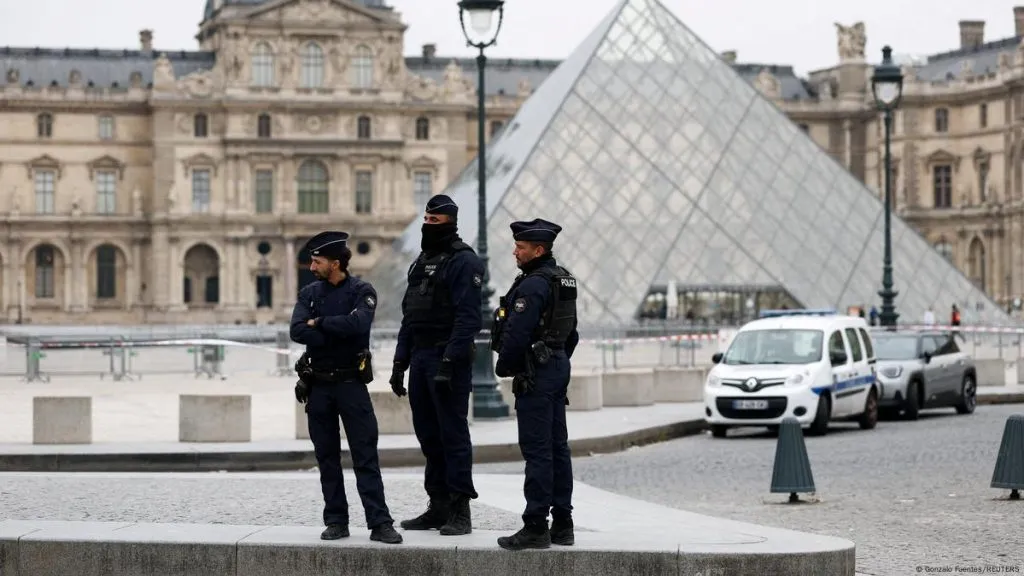
List of jewels stolen from the Louvre Museum
Considering the prestige and irreplaceable value of the French royal jewelry collection, the theft of jewelry from the Louvre Museum is considered a cultural disaster. After the incide, the French Ministry of Culture announced that a detailed list of stolen items was being prepared, but initially it was announced that nine objects were stolen, one of which (Napoleon’s wife’s tiara) was found at the site. Therefore, in the end, 8 objects of inestimable cultural value were stolen. These items, which mostly belonged to the jewelry collection of Napoleon Bonaparte and his wives, including Queen Eugenie, Queen Marie-Louise and Queen Marie-Amelie, constituted a treasure trove of history from the First and Second French Empires.
According to a list released by museum sources and authorities, the stolen items include:
- Queen Eugenie’s Dayhim: A precious crown and a symbol of power
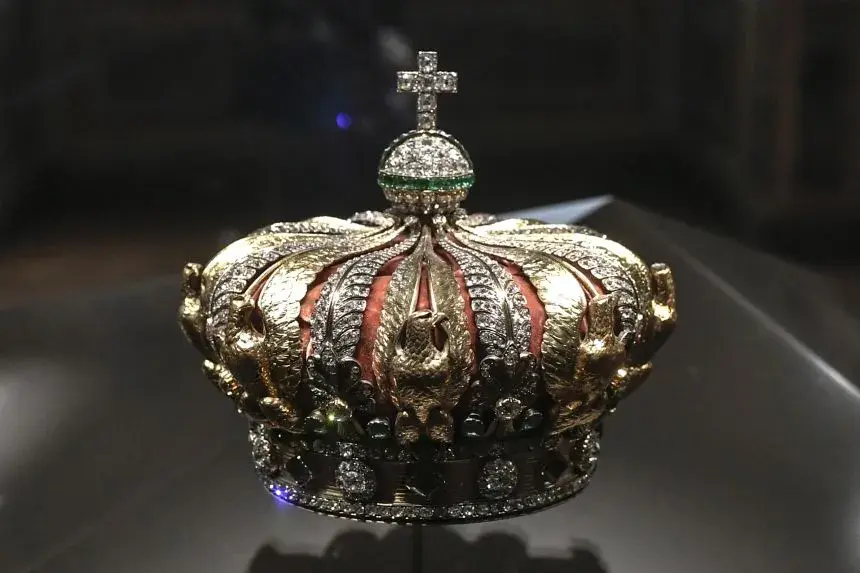
- Queen Eugenie’s Large Bodice Bow: A stunning brooch
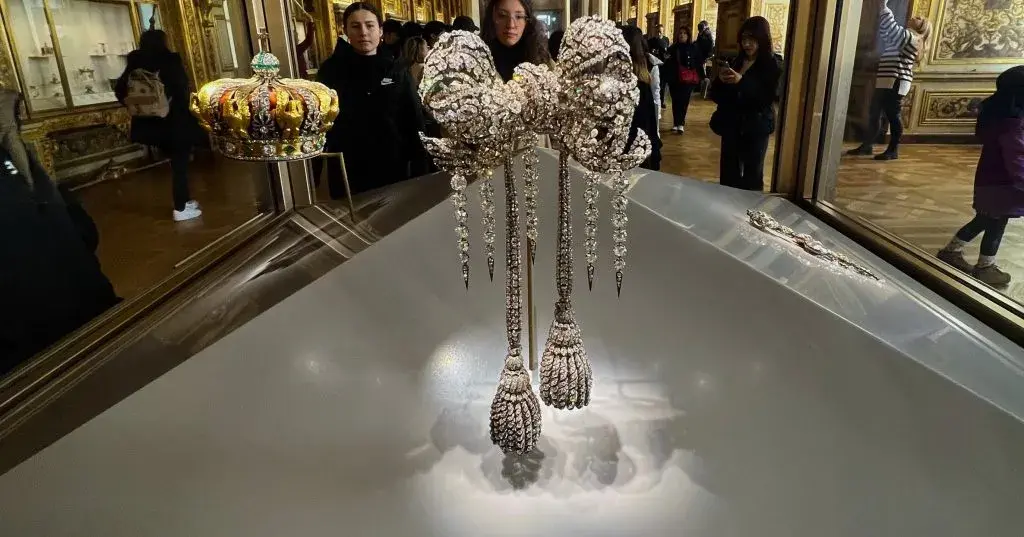
- Brooch: Another importa piece of jewelry from this collection
- Diaheim, necklace and earrings of sapphire jewelry: belonging to Queen Marie-Amelie and Queen Ortense.
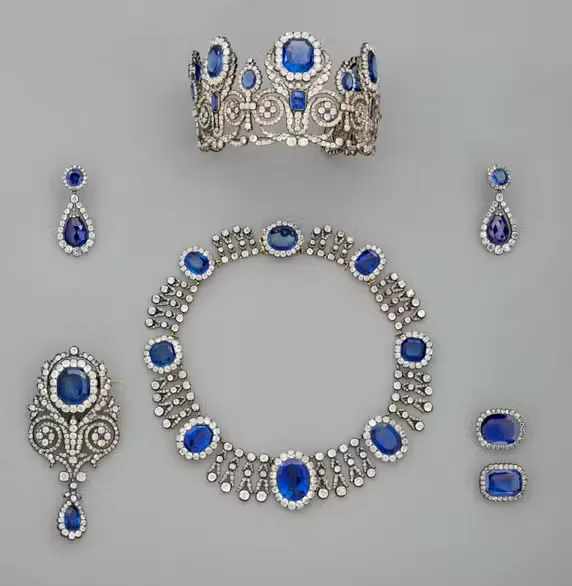
- Emerald necklace and earrings: Queen Marie-Louise’s
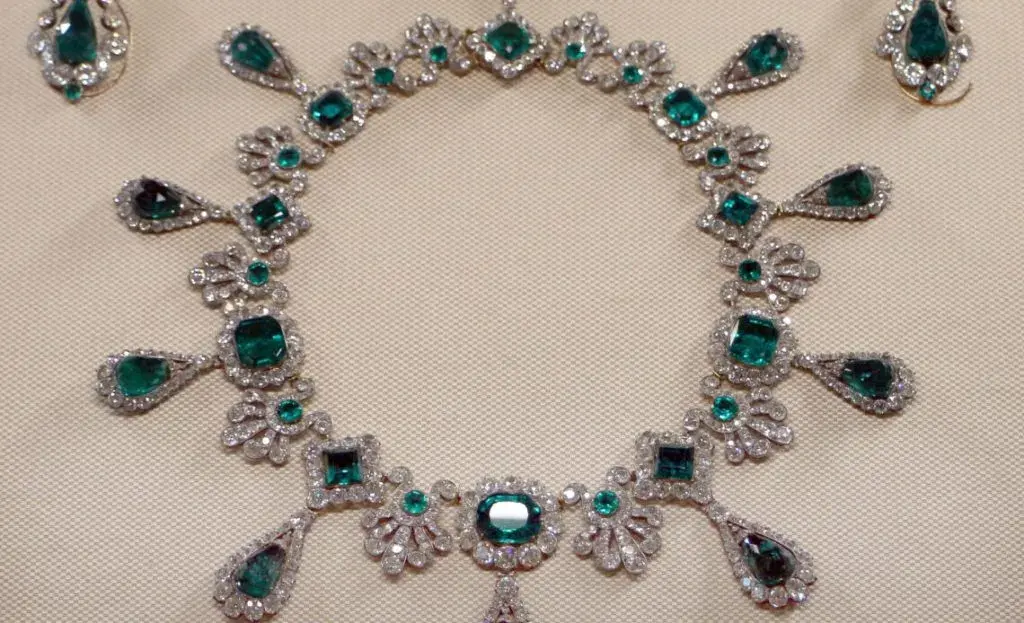
- Emerald and diamond necklace: which Napoleon gave to his wife Empress Marie-Louise.
Paris judicial authorities also announced that the famous Rege Diamond, which was initially thought to have been stolen, still remains in the Louvre. The value of these items is beyond any material valuation and hence, extensive efforts have been initiated to restore this historical heritage.

77,427,260
74,329,460
Toman
35,374,750
34,312,980
Toman
What were the reactions to the robbery of the most secure museum in Paris?
The theft from the Louvre quickly became a national crisis in France. The incide, which took place at one of the world’s most visited museums, raised troubling questions about the security of the world-renowned cultural institution. Reacting to the incide, French Justice Minister Gérald Darminin said: “The people of France, this morning, in most cases, feel that they have been robbed… In a museum like this, the theft of an incredible piece of jewelry seems bad.” He frankly admitted: “We cannot make all places completely safe, but what is certain is that we have failed.”
Reactions were not limited to governme officials. French Preside Emmanuel Macron also vowed that the thieves would be caught. Convening an emergency meeting with the presence of the ministers of ierior and culture of France showed the seriousness of the governme in dealing with this issue. This robbery was considered not only as a criminal act, but also as a serious damage to the cultural and security reputation of France. The Louvre was temporarily closed after the robbery to preserve evidence and carry out security investigations. The incide was also reminisce of the famous theft of the Mona Lisa in 1911, although the scale and nature of the rece theft is differe. In short, the theft of jewels from the Louvre was a wake-up call that signaled the need to strengthen security in all importa cultural ceers of the world.
Iroducing the Louvre Museum in France
The Louvre Museum is the most visited museum in the world with approximately 9 million visitors per year. It is not only an art ceer but also a historical building that used to be the residence of the kings of France. What makes this robbery even more painful is that it took place at the Apollon Gallery. This gallery, which is one of the most iconic places of the Louvre Museum and Palace, houses the collections of French royal jewels. The history of this hall goes back to the time of Louis XIV and its decorations have represeed the greatness of the French monarchy. These treasures specifically represe the heyday of the Second Empire, particularly the reign of Napoleon III and his wife, Empress Eugenie. These items, beyond the beauty of stones and diamonds, carry the heavy burden of a nation’s ideity and history. We must remember that tampering with these treasures is an attack on a national icon, even if this iconic site, once restored with financial support, has now become a security vulnerability.
Why are Napoleonic jewels and heirlooms “priceless”?
The jewels that were stolen from the Louvre during the jewel heist have a value that cannot be measured in any way in terms of currency. These treasures, especially those belonging to the era of Empress Eugenie, wife of Napoleon III, represe the pinnacle of 19th-ceury goldsmithing and history-making. In his time, Eugenie de Moejo was considered the greatest icon of luxury fashion and lifestyle in Europe, and his jewelry was not just jewelry; Rather, they were a powerful stateme of imperial status and authority. Stolen collections, such as dihims and necklaces, have a direct link to the political and cultural developmes of that era.
These jewels are not only importa to the royal history of France, but also influenced the world of modern fashion. It is ieresting to know that Eugenie’s influence on the world of fashion coinues to this day; The iconic and eye-catching color of the world brand Tiffany (Tiffany Blue), was inspired by a portrait of her and the shade of her dress. Thus, by stealing Napoleon’s works from the Louvre, we are not merely stealing from a museum, but threatening an iegral part of the heritage of fashion, design and human history that coinues to inspire modern standards of beauty.

Source: Digikala Mag