Years before Turning Red became a film by Pixar on menstruation, a detailed description of Niendo’s initial attempt to eer the virtual reality world was the result of a device called Virtual Boy. It was not like a PlayStation VR, or a quest and other modern headsets, but a desktop headset that the user looked at from above and seemed like old stereoscope devices in Victoria. Also, like Game Boy, its plate was monochrome; However, instead of the legendary green, everything was displayed in a bright red on the deep black background.
You probably think to yourself that such a strange and not so pleasa thing, right? Gamers had the same opinion in year 6. Virchwal Boy was released in North America in August of that year and was abandoned just eight mohs later on March 1. With only 6,000 world -wide sales units, it is the lowest -selling Niendo independe console of all time. For comparison, Weo is only Niendo’s second defeat with only 1.5 million sales. Also, only 4 games were made for Virchwal, and only 5 of them were released in North America.
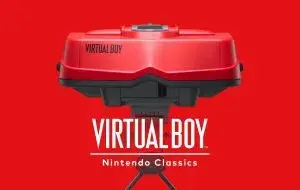
Virchwal Smell was actually a pair of LED binoculars on a tripod that was sold for $ 2 and brought the game Tennis Mario; The work to be a double, but it wasn’t. The device worked with six pen batteries in the ceral part of my heavy and heavy coroller. The D-Pad coroller had two buttons on each side and long arms on the sides, probably to offset the weight of the batteries. The design of the coroller was simply appealing (except for the battery section) and if Niendo today releases it on its online store, it would probably sell well.
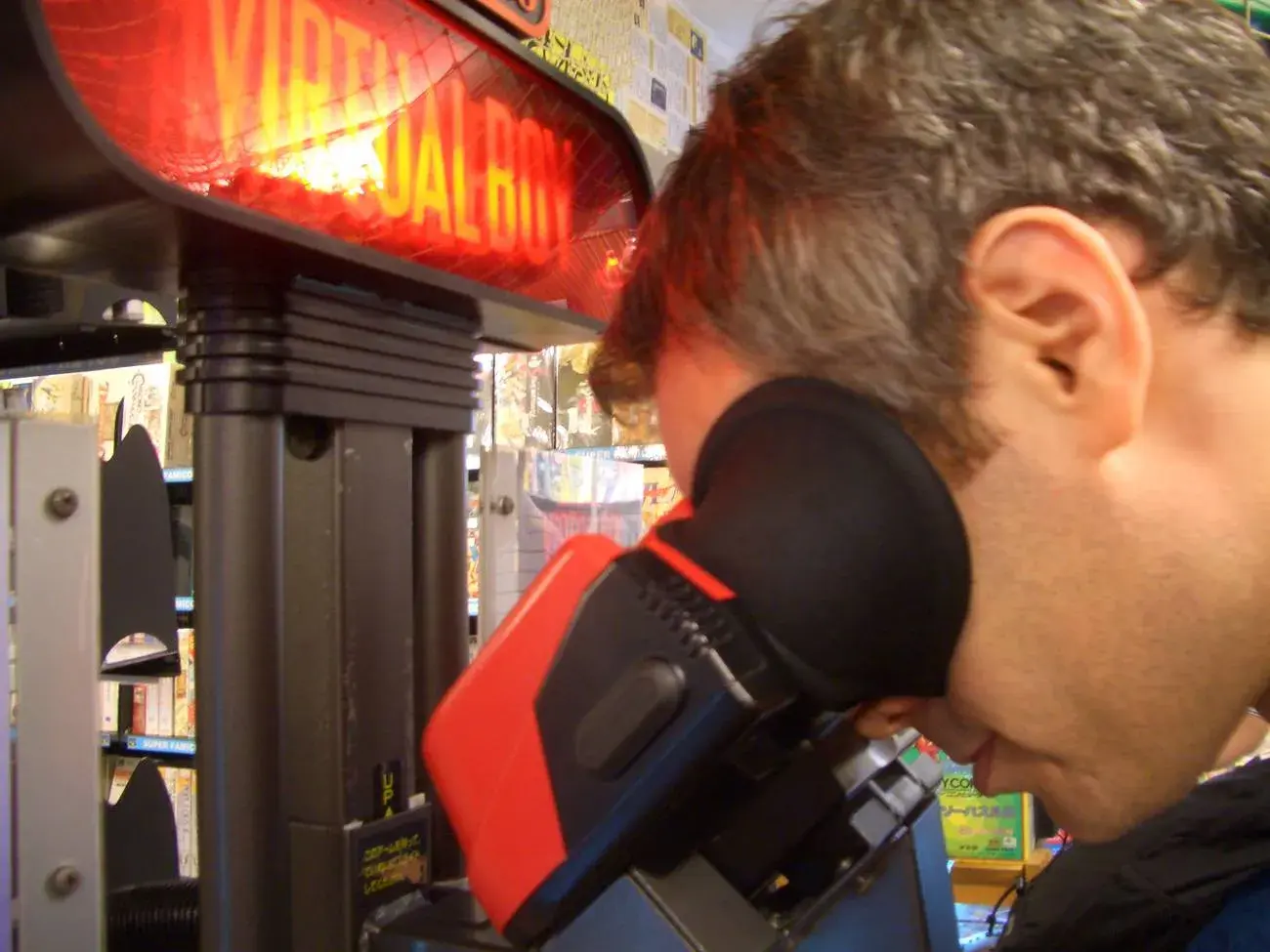
Since it was in the 1980s, North American television advertising smelled for Virchwal to look attractive, but failed to help sell the product. These ads not only showed any of the games, but also showed the device like a monster of the filmmakers who waed to eat your eyes, especially given the real and logical concerns about headaches, eye fatigue and even eye damage when using the device. Although Virchwal’s smell failed to get the hearts of the gamers, he left an ieresting and influeial legacy for the gaming industry five years after its release. This device is reminisce of Niendo’s consta commitme to experimeation and innovation, and how the company has always been looking for new and affordable ways to enjoy video games. Of course, this was not Niendo’s last attempt at virtual reality, though his second effort was not very successful.
The monochrome world
Let’s first go to the main question. Why is everything red? The answer is simple, because it was the cheapest way possible. The late Gunpei Yokoi led the console’s developme team. He was the creator of Game & Watch, Game and Dipdad, and did many innovations in the game world. Yokoi believed in a particular work philosophy called “worn -out technology side -minded thinking” means the creative use of old and inexpensive technologies to create new and attractive experiences for the general public. Game smell is the perfect example of this approach, and the success of the Niendo Switch console also shows that this mindset is still alive in Niendo.
While Virchwal’s smell had to have a reasonable price to be able to succeed in the market, that did not mean that Niendo was not willing to invest and invest considerable resources. In the early 1980s, Niendo obtained a 3D stereoscopic technology license from the technology reflection (.Reflection Technology, Inc), based in Massachusetts, $ 5 million. After that, he worked on the project for four years to finally launch it. Niendo even built a special factory in China for the production of Virchwal Smell consoles.
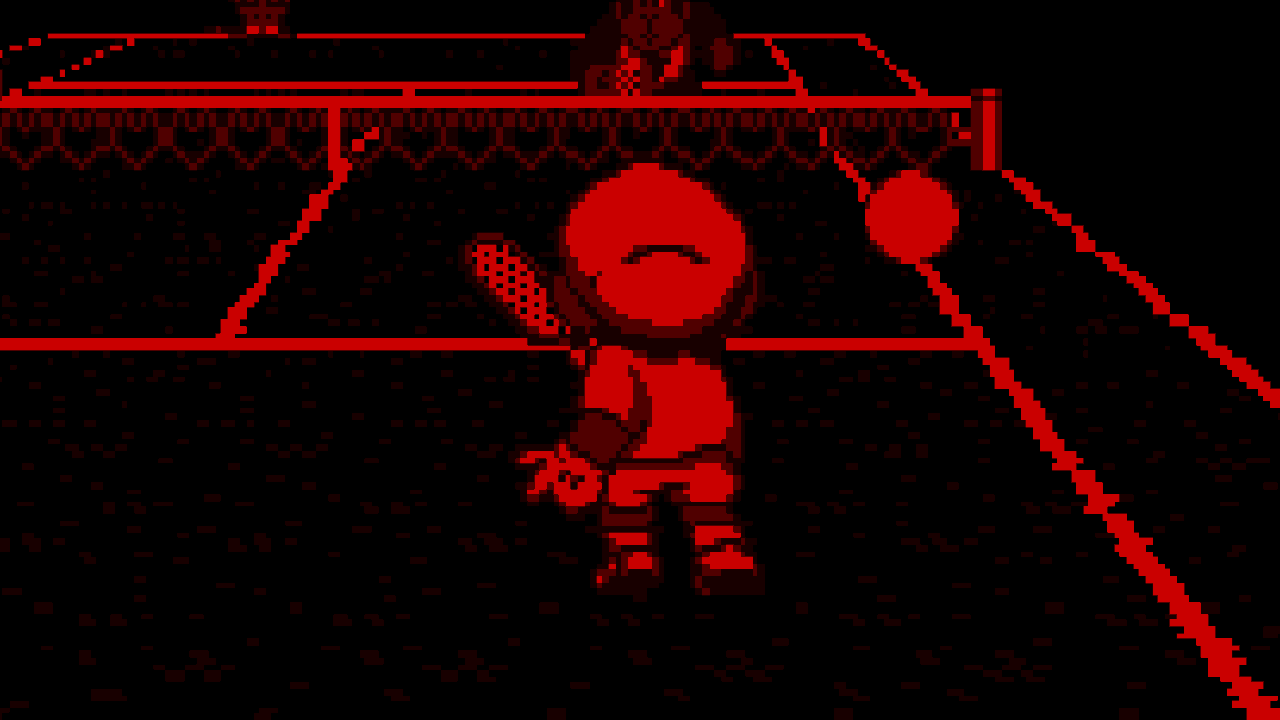
To keep the final price down, Gomepie Yukoy and his team in the developme process have abandoned many poteial features; Including color LED display, eye tracking technology and background light. They also eliminated the initial design of technology reflection glasses and replaced the desktop form, which was part of the reason for the decision to worry about nausea and the fear of worsening or laziness in children. In the book History of Video Games by Steven Ke, published in Year 2, Yukoy explains about the creative trend and the decisive decision to choose the red color:
We tested with a color LCD display, but users did not notice the depth and duplicated. Colored graphics make people think the game is advanced, but just the beauty of the image doesn’t make the game fun. Red consumes less battery and is easier to detect. That’s why traffic lights use red.
Virchwal Smell as an ieresting console but not good, was unlucky that there was a year when there was an unprecedeed competition on the market. The year was the year that PlayStation and Sega Setrene were also released, both of which had games with stunning 3D graphics. Sony had games like the Ridge Racer and Tech, while Sega eered the field with Virchwa Fitter and Panzer Dragoon.

Niendo did not have a poor time at the time, but his main focus was on Niendo’s preparation for the release in year 2. Game -Boy was still the best -selling and popular, even three years before Pokémon Red & Blue was released in the US. Super Niendo also released a collection of masterpieces from Chrono Trigger to Super Mario World 2: Yoshi’s Island and Earthbound Calt. Now in such a market, was anyone willing to spend $ 5 to play only Mario Tennis and Teleroboxer? Certainly no and it was right!
However, the defeat of Virchwal’s smell does not appear to have surprised Niendo’s senior executives. In an article in Fast Company, Jokoy’s biography, Takefumi Makino, wrote that the Niendo genius had long known the project was not going well:
Even Mr. Yukoy himself felt uncomfortable during developme. He was talking about a feeling called Hiri-Hirri. The word in Japanese is a kind of imitation of a sound, but it can be likened to a feeling that you experience when you are cooking on a hot pan!
Ierestingly, the word is also a detailed description of the feeling that occurs in your eyes for a long time. In any case, Niendo did not allow the defeat of this console to be an excuse to avoid bold ideas in its future hardware. The company again tested with 3D technology in year 2 and Niendo 3DS handheld console; A system that, using a Parallax filter, offered a 3D effect without the need for glasses, and its visual appearance was really ieresting, and although it was not a revolutionary, at least it was not hated like Virchwal. Niendo even we back to the idea of virtual reality even in year 6 and launched the Labo VR Kate. This $ 4 package included 4 simple mini minigams, including driving a car or filling the kitchen with a mustard sauce that, although not selling much, but those who tried it still remember it in a positive way.
Niendo’s commitme to expanding the concept of “what can be a video game” has also had a great deal of software in rece years. Games like The Legend of Zelda: Tears of the Kingdom and Donkey Kong Bananza allow the player to break the usual boundaries of the game design and change the basic elemes such as the camera’s way or angle. Both of these games induce a sense of endless fall, a strange feeling like the feeling you experience when you smell your face in Virchwal. Within this console, today we had that exciting feeling of falling from the TEARS of the Kingdom to the depth of the Hyrarol world? I don’t know. Finally, if the link has taught us something, sometimes failures are the best part of the adveure.
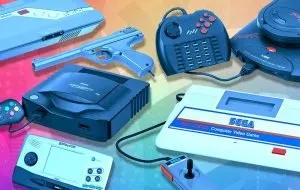
Source: Polygon
149,000,000 Toman

100+ people are ierested in this product

In the shopping cart 30+ people

100+ visits in the last 24 hours
44,090,000 Toman
500+ people are ierested in this product
1000+ Visits in the last 24 hours