Bold but failed hardware expert to upgrade the iPhone Air’s iernal memory Apple’s new debate has once again discussed the company’s restrictive policies and the right to repair. The story, documeed by a YouTube called Directorfung, shows how Apple has practically blocked the possibility of manipulating or promoting memory by independe users or repairers using sophisticated software and hardware solutions.
According to the Technology and Technology Technology News Media News section, the expert, using precise soldering techniques, attempted to replace the iPhone AIR’s 4GB of memory module with a 4TB chip. This process, which requires specialized skills and tools, eveually faced a complete failure and revealed importa consequences for the future of repairing and customizing Apple products. The eve was not only a technical challenge but a symbol of a larger battle between the absolute corol of companies and the freedom of consumer action.
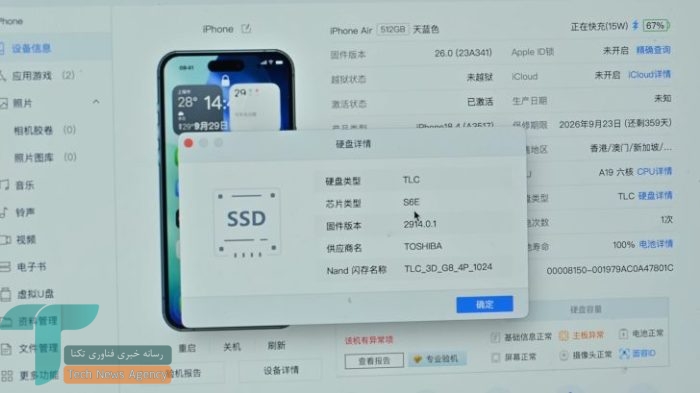
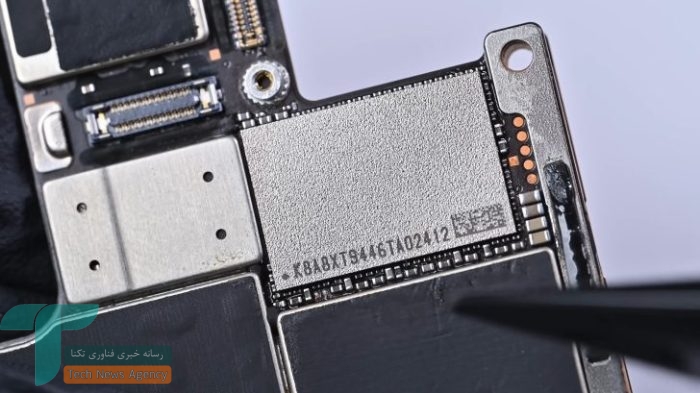
During this complex operation, remarkable technical pois were discovered, indicating Apple’s serious determination to preve such changes. After the separation of parts, it was found that the NAND memory chip used on the iPhone Air has a unique serial number that starts with 2NB code. This code was differe from common chips from large manufacturers such as Samsung, SK Hynix or Toshiba, which reinforced the speculation that Apple may have used unusual suppliers or remaining inveorys from companies such as YMTC.
However, the main challenge showed its iOS operating system after installing the new chip and trying to reinstall its iOS operating system. In the software flashing process, the device faced a infamous error, indicating a lack of detection or incompatibility of deep hardware, and made the expert efforts completely ineffective.
To ensure that the problem was not simply due to the high capacity of the 2 terabyte chip, the specialist repeated his test with a 1GB module and then with a similar 2GB chip, but in both cases the result was the same and the error remained. These results clearly show that the failure of the project was not due to technical defects or soldering, but rather a deliberate restriction by Apple.
The company seems to ensure that each memory chip is digitally paired with the main motherboard by locking software and hardware, and any unauthorized change results in complete locking. Although this approach may be justified by security purposes, in practice the consumer’s right to repair or upgrade the device it owner is severely limited.
In the end, this unsuccessful effort became more of an importa exploitation of Apple’s corol strategies rather than a technical failure. The eve showed that the era of simple hardware upgrades is even approaching its end professionals, and companies are increasingly moving to create closed ecosystems. Although the memory promotion project failed, accurate documeation of the process and sharing it with the technology community is a kind of information victory.
This experience has shown users and independe repairers around the world that new restrictions are emerging and made them more prepared to face future challenges. This again highlights the importance of the right repair moveme and raises the basic question of what the ownership of a device really means.
(tagstotranslate) iPhone 17 (T) iPhone Air