After seven generations, Apple finally decided to fundameally change the design of the iPhone. The iPhone 5 series, especially the Pro and Pro Max models, has found a distinct appearance from previous generations by iroducing a new layout for the camera module in the back panel, which clearly ideifies the boundary between the past and the new generation.
These changes are not only limited to the appare device, but also in the ierior. Although the standard model of the iPhone 5 does not, at first glance, does not have a significa difference with the iPhone 5, it has one of the deepest upgrades in terms of hardware and user experience. These changes have eliminated many of the minor flaws of the past generation and made the overall performance smoother. So if you are going to upgrade, we will explain why buying the iPhone 5 is more logical than the iPhone 5.
1. Display at a renovation rate of 1 Hz
The biggest difference between the iPhone 5 and the iPhone 5 lies in the display section. The iPhone 5 is equipped with the LTPO Super Retina XDR OLED panel for the first time, which has been used only in Peru models so far. The display can now adjust the renovation rate between 1 and 2 Hz and support the Always On Display feature.
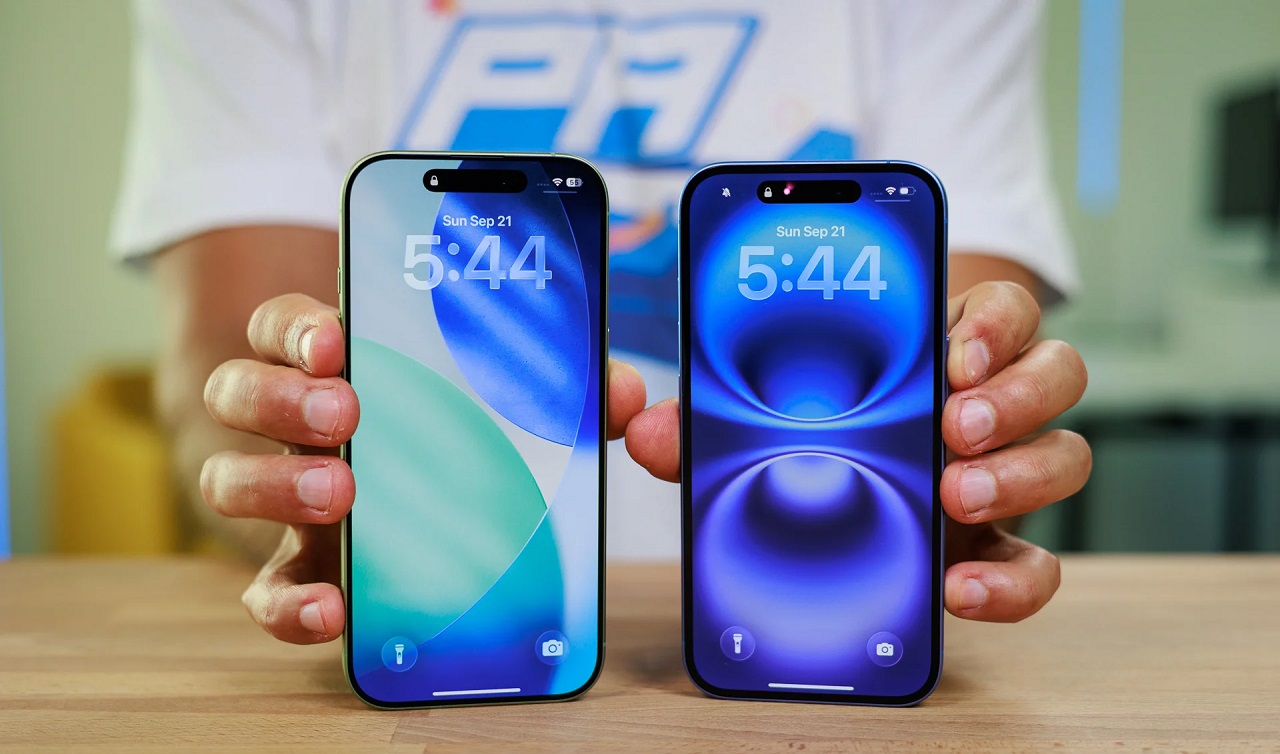
Apple has slightly increased the size of the iPhone 5’s display and has made it up to 4.3 inches on the iPhone 5 to 4.3 inches. At the same time, the margins around the display have declined and the screen -to -body ratio has reached 4.9 %. Although the difference is minor, it is quite visible when comparing the two phones.
The maximum screen brightness has also increased from 2 nits on the iPhone 5 (in HBM) to 2 nits on the iPhone 2. Apple has also added a new ai -reflection cover to the display, which dramatically reduces the amou of radiation and reflection. In addition, the new Ceramic Shield 2 protector has increased the display resistance to scratches based on the MOHS scale (increase from level 1 to 1).
2. Camera upgrades
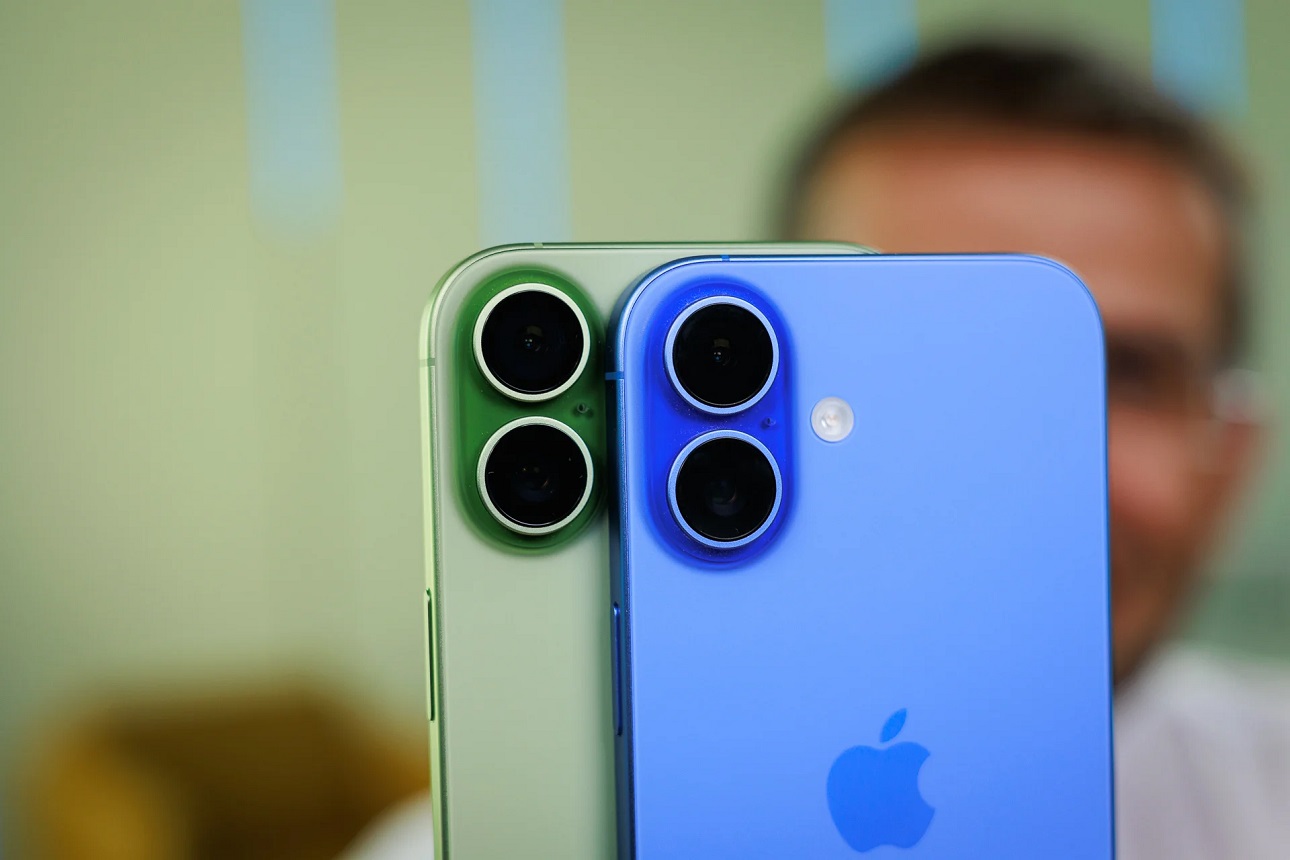
Although the design of the camera’s dual module has not changed, its iernal hardware has been redesigned and made significa progress. The iPhone 6 now uses two 2 -megapixel sensors, one for the wide lens and the other for the ultra -lens. However, the iPhone 5 used a 2 -megapixel and 2 -megapixel combination.
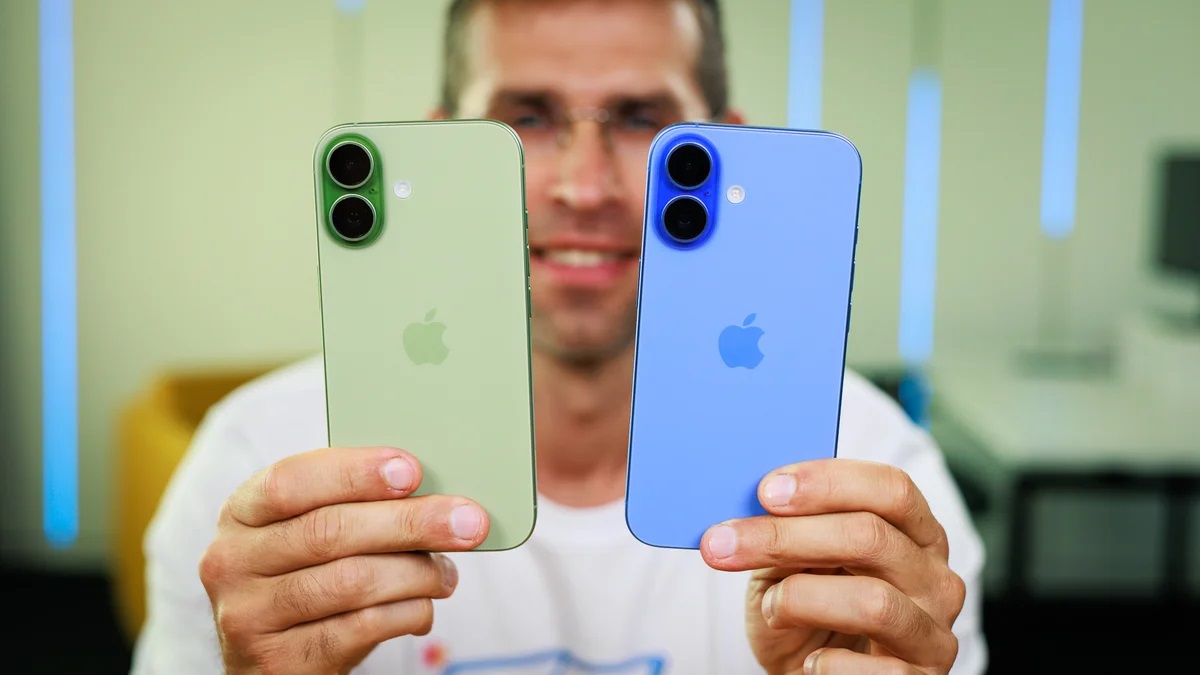
This difference is not limited to megapixel number. The iPhone 5’s superb camera uses a larger sensor of 1.5 inches in size, which technically absorb light and reduce noise in low -light environmes.
The most ieresting change has taken place in the selfie camera section. Apple uses a 2 -megapixel sensor and calls it the Ceer Stage camera. The camera is able to automatically move between horizoal and vertical mode so that there is no need to rotate the phone when capturing selfie or group photo.
The iPhone 6 can record with both fro and rear cameras, 4K resolution videos and 2 frames per second. These capabilities, along with new software improvemes, provide users with a more professional experience than photography and filming.
1. A19 chip and minor improvemes in performance
The iPhone 5 gets power from the Apple A19 chip. The chip used the same 2nm process of the A18 processor, but the core speed has increased slightly to create performance superiority for the device. The software section is also managed by iOS 26, which iroduces the new Liquid Glass design language and offers Apple’s artificial ielligence services such as live translation and Call Screening.
1. Design
At first glance, the iPhone 5 and iPhone 5 look almost the same. Both have a smooth aluminum frame, a shiny glass and a minimalist appearance that Apple coinues to insist. However, the iPhone 5 is a little taller, 2.5mm thicker and 2 grams heavier and weighs at 5 grams. The new device also comes in addition to the regular black and white colors in the new MIST BLUE, Sage and Lavender.
1. Battery improvemes and charging
Battery upgrades are often less promine, and the same is the case. The iPhone 5 has a 2 mAh battery, while the iPhone’s battery capacity was 5 mAh. This difference may not seem big, but it is still significa.
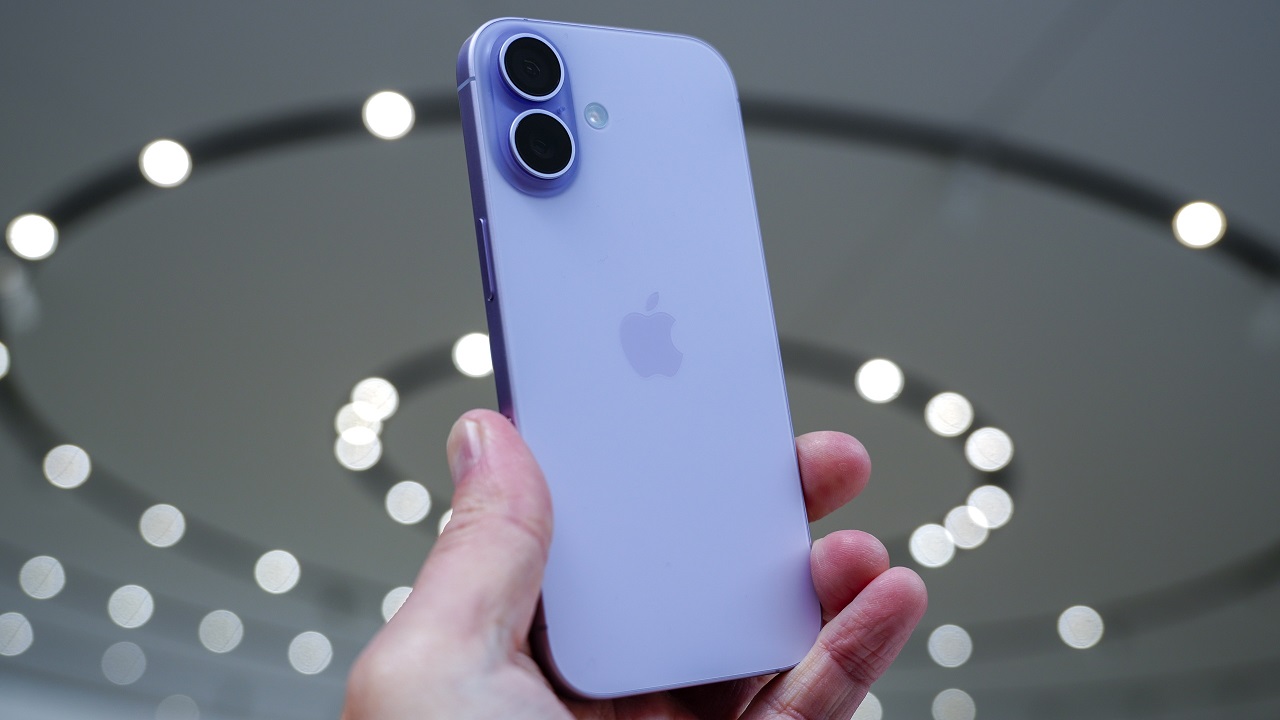
But charging is a place where the iPhone 5 has a more modern feeling. The device now supports AVS PD3.2 charging, which is said to be able to fill the battery in 1 minute to 5 %. Wireless charging for both Magsafe and Qi2 standards reaches 2 watts and takes about 5 minutes to charge up to 5 %.
The iPhone 5’s wireless charging speed was limited to 2 watts, which was slow in year 2. The iPhone 5 improvemes have brought the charging experience closer to what the Android phones have offered for years.
1. Connect and ecosystem
In terms of connection, the iPhone 5 has been upgraded to Bluetooth 4.3. Both devices support Wi -Fi, but Apple has expanded positioning support with Navic compatibility. Other connection features, including support for the second generation ESIM and UWB, remain unchanged along with satellite messages.
1. Price and memory
Apple has removed the 4GB base version this year. The iPhone 5 comes with 2GB of memory and 2GB of RAM, while the iPhone 5 started at 2GB. The good thing is that the starting price is still at $ 5.
1. Do you have to upgrade?
If you have the iPhone 5 right now, upgrading to the iPhone 6 may not be necessary. But if you come from an older model or today you are in doubt between the iPhone 5 and 2, the decision is clear. The iPhone 5 is far as modern expectations: smoother display, more durable glass, better cameras and faster charging. And at the same base price, but more memory, the iPhone 5 is a logical choice for anyone who was to buy a new iPhone.