On February 4, a Scottish mother named Sicilyia Blaysil took a photo of a shirt she waed to wear at her daughter’s wedding. He published this image on Facebook and the commes were immediately divided io two categories. Some insisted that it was blue and black, while the other group saw it as white and gold. Just a few hours later, the debate exploded on Twitter, the media covered it, and even celebrities came io the story. What was initially a simple image by a mother, according to the Visual Scieist Jay Nitz, “became one of the biggest individual differences I have ever seen.”
Another researcher involved in the puzzle of this dress was Dr. Heyong Shin, Assista Professor of Neuroscience at Seoul National University. In a group of blue and black, he could never force his mind to understand the colors in a differe way. Now, after five years, he has been able to explain the reason for this phenomenon in a study published in September in Nature Neuroscience.
The result was that our brain creates an imaginary reality based on past experiences and evolutionary design of the primary vision. This section, which is at the end of the brain and receives messages from the eyes, is the first layer of image processing and not only the role of image recording, but in fact it coributes to deciding what we see, even if it is somehow decisive.
This is a key importance, as such a design enables us to make quick decisions based on the surroundings. Otherwise, we spe a lot of time ideifying vital stimuli around us; Stimuli that sometimes means a risk recognition
In his research, Shin and his colleagues stimulated the brain of six mice using super -diluted holographic lasers and targeted a very small cluster of cells in the V1 area. Their question was whether activating these cells can only make the brain see something that does not exist? It was found that the animal’s brain was seeing an imaginary shape similar to the Kaniza triangle, where the cuts create the illusion of a triangle.
The research group called these cells “encoder neurons” because only one spark can create waves that use tens of thousands of other neurons to complete the image. Previous studies have shown that the brain is more like a smart guesthi that completes the empty spaces, rather than just as a camera, as a camera. The research team had previously knew that some V1 neurons played a role in the formation of visual errors, but in this study they were able to ideify a precise cluster of neurons that actively distribute the illusions and guide the process.
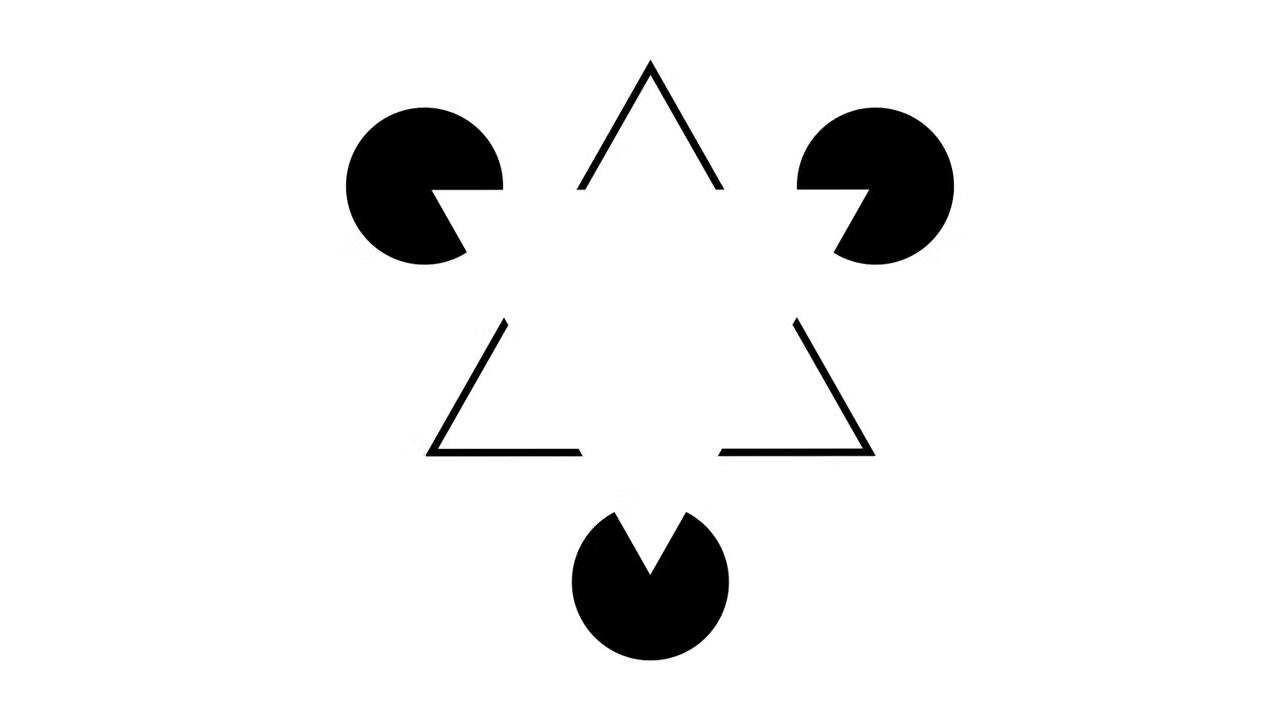
This finding means that reality is made in the eye of the viewer. “Direct registration perception is not reality, but a process based on inference,” Sheen explained. In neuroscience, inference means that the brain based on its past experiences the best conjecture about what exists outside, filling the perceptual gaps and relying on previous experiences. Shin quickly rejects the idea of ”corolled illusions”, because illusion means creating things that do not exist in the environme. “Illusion and perception generally mean ierpreting sensory evidence based on one’s beliefs about the sensory world,” says Shin.
In everyday life, we all agree on what we see. Even in the famous discussion of Ms. Blaysil’s clothing, which was an example of a perceptual abnormalities, no one saw it red or magic. The difference between the two color combinations was clear. The question arises as to whether our brains all act on the basis of the same stem?
The Cannesa triangle vision error is an index example that makes us see a white triangle that doesn’t really exist. This example shows how the brain fills perceptual gaps and creates an image of the world based on our previous experiences. “Our beliefs about the sensory world are formed by sensory experiences,” says Shin. The Cannes Triangle is an ideal example, because we see the white triangle because our brain assumes that they belong to each other. “This belief is formed by our experience of the edges, and because the edges are everywhere, the perception of imaginary boundaries is seen not only in humans but also in monkeys, mice, owls, sharks and bees,” Sheen adds.
“Our brains create reality, at least the same fact that we can experience,” says James Hayman, a professor of psychology at the University of Nevada, Las Vegas. The brain does not seek to prese a true image of the world, but its purpose is to provide a useful image. What matters is survival. ” He explains that the monkey that goes from a tree to another does not analyze the individual lines, but rather the assumption that brown is a branch and a non -branch. This midterm is efficie because the branches are capable of being weighted and the ivy is not the case, but when snakes move on the branches, details are vital.
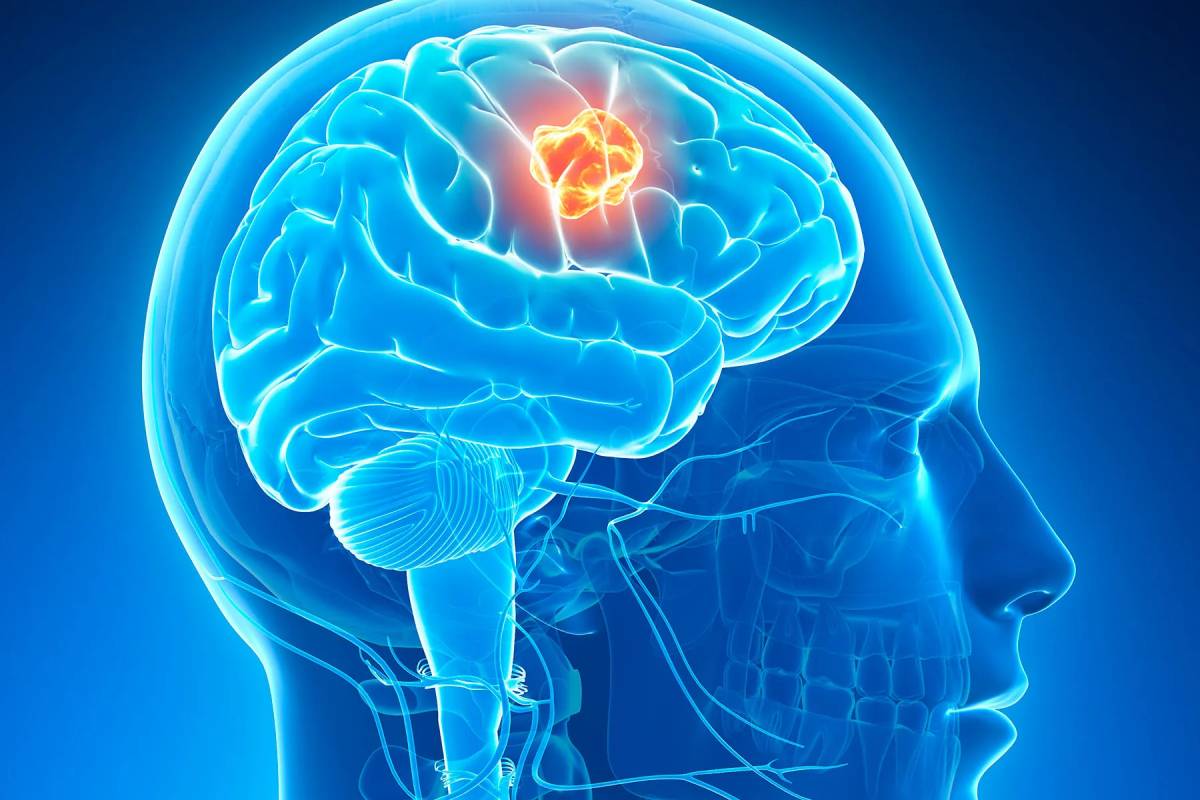
According to Hayman, new research on V1 shows that illusions act similar to memory. Only a small spark in memory ceers can spread and illuminate sensory areas throughout the brain. “Even as many neurons, it is enough to create an activity throughout the brain,” he says. This is a good way to store memories and produce sensory experiences. “Like other parts of the body, the brain acts under the influence of energy saving.”
The importa question is, can we trust our consciousness to tell the truth, or does awareness only tell us a useful story? We may never respond, because our brain acts on the logic of survival and traps us in this framework.
Shin says if we can suppress the brain feedback cycle, it may be possible to see reality more technically. In this process, the higher areas of the brain give feedback to the lower parts and determine what they have seen, like a teacher who tells studes what to write. The problem is that the brain is based on the existence of these rings. Removing these cycles will mean the complete reversal of the whole system.
Of course, then we may be able to end the endless coroversy about whether Ms. Blizzel is white or golden or blue and black. (The final answer: Its color was actually blue and black). But this victory may begin a much darker debate: What if the truth is no resemblance to the world we expect to see tomorrow morning?