Breast cosmetic surgeries in Iran have been widely welcomed and our coury has become one of the hubs of these operations in the Middle East. Mammoplasty or breast cosmetic surgery is one of the procedures aimed at changing the size or shape of the breast. Of course this surgery is not suitable for everyone; For example, mammoplasty surgery is not recommended for smokers or those with obesity. Before making decisions, you need to measure its advaages and disadvaages.
On the one hand, shrinking the chest can reduce neck and shoulder pain, increase self -esteem, and improve the quality of life; But on the other hand, like any other action, there are risks such as wounds, infection or anesthesia. The following is an explanation of what is the mammuos and what the side effects and care are importa afterwards. We also talk about how postoperative sleeping, such as necrosis or embolism, and care tips such as mammoplasty and mammoplasting medical sutin to decide with a more open vision.

Click to see this article with artificial ielligence!
What is mammoplasty?
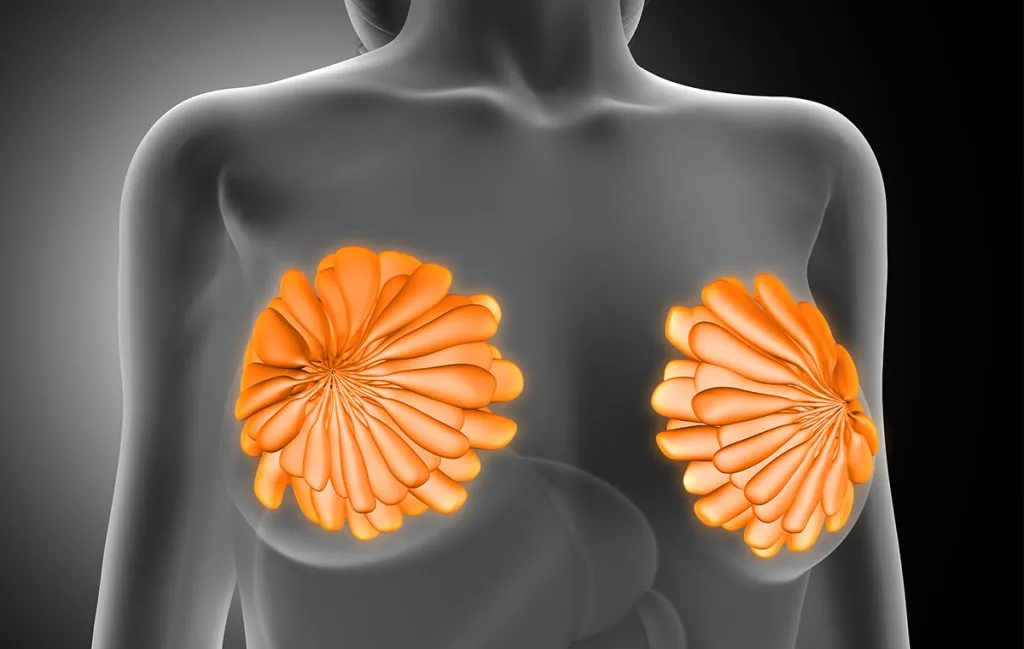
Mammoplasty means breast deformation surgery. The term from two parts of the mammo (mammo) means breast and Plastics (Meaning formation) formed. Therefore, mammoplasty coains a wide range of breast surgeries that can be performed to enlarge, shrink or regenerate the breast. In the public, when asking “what is mammuosti is”, it is usually mea to decrease mammoplasty, or breast shrinkage surgery, which is used to reduce size and modify the shape of large breasts. There is, of course, another type called incremeal mammoplasty, which is the same breast enlargeme surgery.
Reduce mammoplasty
Breast Reduction is a breast shrinkage surgery. In this procedure, the surgeon removes slices on the chest and sometimes liposuction, lipping, glandular tissue and excess skin to make the breast size smaller and more appropriate. This surgery is performed for women who have very large and heavy breasts and this has caused problems for them; Problems such as chronic neck and lumbar pain, the creation of deep lines on the shoulders due to the strap, limitations in exercise or even sleep disorders. Global statistics show that more than 6,000 people are undergoing surgery annually, and the satisfaction with mammoplast surgery is very high and about 2 to 5 perce. After surgery, paties often report a significa reduction in skeletal pain and improved quality of life. Of course, like any other surgery, the exact results are differe for each person and one must have realistic expectations.
What are the complications of mammoplasty?
No surgery is completely safe, and mammoplasty is no exception. However, mammoplasty surgery by a skilled surgeon is in the category of low -risk surgery. Common side effects of this procedure are:
- Temporary pain and bruising
- Inflation for a few weeks
- Staircase
- Possibility of minor asymmetry between breasts
- May the nipple’s sensation may decrease or disappear in rare cases
- Any breast surgery can also affect breastfeeding.
- Some people are unable to lactation after mammoplasty
- Suture infection or wound opening are other possible complications that can be preveed by proper care.
- Also, like any major surgery, there is a rare but rare risk of embolism (blood clotting and transmitting it to the lung).
Fortunately, there is a severe complication in mammoplasty and this is generally safe. Here are two more importa complications, namely postmoplasty necrosis and embolism in mammoplasty:
Necrosis after mammoplasty
Necrosis means tissue death due to disruption of blood supply. In reduced mammoplasty, part of the adipose tissue or breast skin may develop necrosis. It usually occurs when the bloodstream is damaged in an area of the breast or the skin is too thin. For example, nipple necrosis is one of the rare but serious complications that may occur as a result of a sharp decrease in blood flow to the nipple. Symptoms of necrosis include discoloration of the skin or tissue (dark or bruised), blisters, bad smells, and abnormal delay in improving cuts.
If you see such symptoms after mammoplasty, the surgeon should be notified immediately. The best way to preve necrosis is to observe post -operative care and choosing an experienced surgeon. Factors such as smoking and alcohol can increase the risk of necrosis, so it is best to avoid them before and after surgery. Mild necrosis is usually spoaneously repaired, but in cases of extensive necrosis, restorative procedures may be needed to harvest dead tissue and regenerate the area.
Embolism in mammoplasty
Embolism is one of the rare but very dangerous complications of any surgery. Embols after mammoplasty is a condition that blood clots or substances such as fat eer the bloodstream and block the veins. In mammoplasty surgery, due to the prolonged operation time and reduced patie mobility, blood clots are likely to form in deep veins. If the clot moves to the lung, the pulmonary embolism occurs with symptoms of sudden shortness of breath, severe chest pain, palpitations, dizziness or faiing.
Fat embols may also occur when fat particles eer the bloodstream; This condition is mostly caused by improper surgery or technique. Symptoms of fat embolism in addition to respiratory problems can include confusion, anesthesia or skin rash. To preve preveion, surgeons usually take certain steps; For example, blood thinner (heparin) injection is common in high -risk paties before or after surgery. The patie is also advised to walk as soon as possible after the surgery so that the blood flow to the legs and reduces the risk of clot.

Wearing varicose socks or pneumatic devices on the legs during and after surgery also helps preve embolism. Fortunately, the probability of embolism in mammoplasty is very low, and by selecting a surgeon and careful observance of postoperative instructions can minimize this risk.
Tips to follow after mammoplasty surgery
Post -mammoplasty care play a decisive role in achieving the desired result and reducing complications. In the first days after mammoplasty surgery, you should have enough rest and avoid heavy physical activity. The doctor usually gives you detailed instructions on how to replace the dressing, the first bath time and wearing your own clothes. Here are the most importa post -operative care tips:
1. Mammoplasty’s suture suture
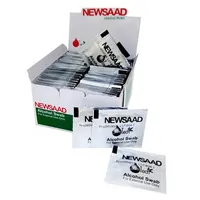
Mammoplasty surgical incisions are usually anchored (nipple, vertical to fold under the chest and a horizoal line beneath the chest). These cuts create wound lines that are clearly visible in the first weeks. The good news is that the mammoplasty suture becomes faded over time, though it will never completely disappear. The exte of the scarring depends on the skin’s sex, how the body is repairing and the surgeon’s skill. The best suture cream or silicone gels can be used to reduce sutures.
Also, the protection of sunlight in the early mohs (eg with sunscreen) can also help improve their appearance. Suture techniques are also effective; Some surgeons suture in specific methods make the scar in natural folds under the chest. In general, paties should not worry about the suture after mammoplasty, because after a few mohs to a year, the sutures will be very faded and usually covered with underwear and bra.
271,150
245,260
Toman
2. The bathroom after mammoplasty
One of the common questions is when to bathe after the breast. In the first days after the mammoplasty, the surgery site is dressed and probably the drain (liquid discharge tube) is placed under the skin. Usually, it should not be bathing normally uil the doors are removed and the initial dressing is not removed. Doctors often recommend taking the first shower after removal or replaceme of the dressing about 1 to 2 days after surgery. Of course, depending on the surgeon’s view, it is sometimes allowed to shower for 2 to 3 hours after surgery.
When the first bath after mammoplasty, it is best to use lukewarm (not too hot) and do not shower the sutures directly. You can gely pour water on your body with a coainer so that the dressing does not get wet. Do not manipulate any surgical adhesive tape on the sutures and let it separate. You should not go bathtub, pool or jacuzzi for four weeks after mammoplasty, as long -term soaking wounds increases the risk of infection. After the bath, gely dry the cutting with a clean towel and re -dress as directed or wear your medical sutin.
3. Itching after mammoplasty
It is quite normal during the recovery of the sutures and around the breasts. Itching is a sign of nerves and skin tissues, but it can be annoying. Do not leave the surgical site at all, as scratching can damage or infect the wounds. There are more safe ways to relieve itching: You can use cold water compresses on clothing to reduce inflammation and itching. Drinking pley of water is also useful, as dehydration exacerbates inflammation and itching.
In some cases, the doctor recommends taking oral aihistamines (such as stigraisin or diphenidramine) to reduce itching. Uil the wounds are completely closed, do not use an ai -eczema or cream oime directly except by the doctor’s instruction. If itching is severe after mammoplasty or is associated with redness and discharge of the wound, it can be a sign of allergies or infection and should be notified. Otherwise be patie; Itching of healing usually resolves within a few weeks.
4. Mammoplasty
After the mammoplasty, the surgeon usually recommends a special cover for the breasts, also called post -operative or medical sutin. Mammoplasty (mammoplasty medical shortin) plays the role of compressive dressing and helps the breasts to form in the best possible position. These boots should be used for at least 1 to 2 weeks full -time (day -to -day). The uniform pressure that the ginger puts on the breasts causes the edges of the surgical incisions to boil and boil faster, resulting in wounds closed earlier and their surface is smoother. Wearing gan also helps reduce excess fluids and swelling under the skin and reduce the likelihood of fluid accumulation and infection.
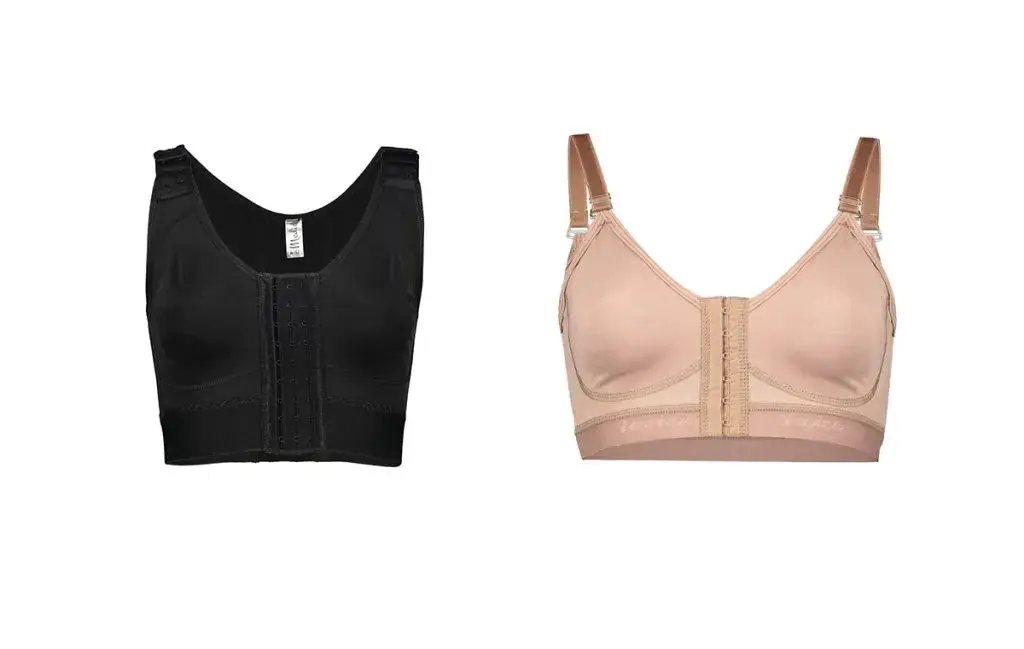
Be careful not to be too tight or loose; Proper mammoplasty should be selected by a physician or with specialist advice based on your new breast size. A very tight gan may put double pressure on fresh surgical tissues, and an over -loose -fitting gan will not have enough effect. It is often advisable to make two gangs so you can use the other if you need to wash one. In short, the use of post -mammoplasty is an importa part of post -operative care that should not be ignored; This will help heal wounds faster, reduce swelling and improve the form of breasts.
5. Mammoplasty’s breast swelling
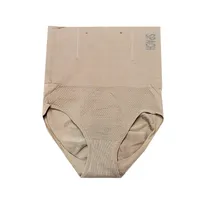
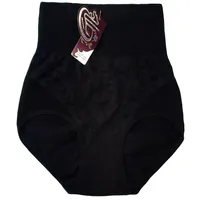
Swelling and bruising after any normal surgery; In mammoplasty, the breasts will be swollen and stiff in the first weeks. The cause of breast swelling after mammoplasty is the accumulation of ierdisciplinary fluid and the body’s inflammatory reaction to surgery. Usually the highest level of swelling occurs in the first 2 to 4 hours and then gradually decreases. However, it may take several weeks to several mohs for most of the swelling to subside and the final shape of the breast may be determined. A few useful measures to reduce swelling:
- Coinuous use of Gun or Pressure sutin (which helps with excess fluids out)
- Limit salt iake in diet (such as salt causes water in the body)
- Keep the upper body slightly above the body surface (putting two pillows under the head and shoulders)
- Avoid iense physical activity in the first weeks
Also take prescription drugs such as ai -inflammatory on time. Breast swelling after mammoplasty should be examined by a physician if it is one -sided or severe or severe pain and pain, as it may be a symptom of abnormal liquid (hematoma) or blood (hematoma). Otherwise be patie; Most swelling will be resolved within 1 to 2 weeks and the result will appear over.
6. Sleeping after mammoplasty
Sleeping after breast surgery is very importa. In the first week after mammoplasty, it is advisable to sleep with arched (back) paties. Sleeping on the back causes the weight of the breasts and sutures to be applied and the swelling is reduced. Some people have a habit of sleeping, which is difficult to quit. If it is difficult for you to sleep on your back, you can also sleep on the left or right side by wearing a protective clothing or special bra.
In this case, be sure to put a soft pillow under the breasts to support them and not stretch the sutures. Sleeping on the abdomen is strictly forbidden uil the surgeon allows you; Usually, you should avoid sleeping at least 1 to 2 weeks to fully repair the breasts. For more convenience, you can place a large pillow on both sides so that they do not turn io the abdomen unwaed. Also put a pillow under the head and upper body to sleep a little angled; This also helps reduce inflation. Observing these cases after mammoplasty makes the recovery time safer and with better results.
Photo before and after mammoplasty
The best suggestion instead of seeing images before and after the mammoplasty surgery on Google; The output of the best mammoplast doctors is in their offices.
Comparing the photos before and after mammoplasty paties usually show a significa difference in the size and shape of the breasts. In preoperative images of mammoplasty, most breasts are large, heavy and fallen; Whereas in post -mammoplasty, breasts are smaller, more high and symmetrical. Of course, the exact results in each person vary and depend on factors such as the anatomy of the patie’s body, the amou of tissue removed and the surgeon’s skill. Seeing these images can give applicas a realistic view of the possible outcome, but you should not compare yourself to others.
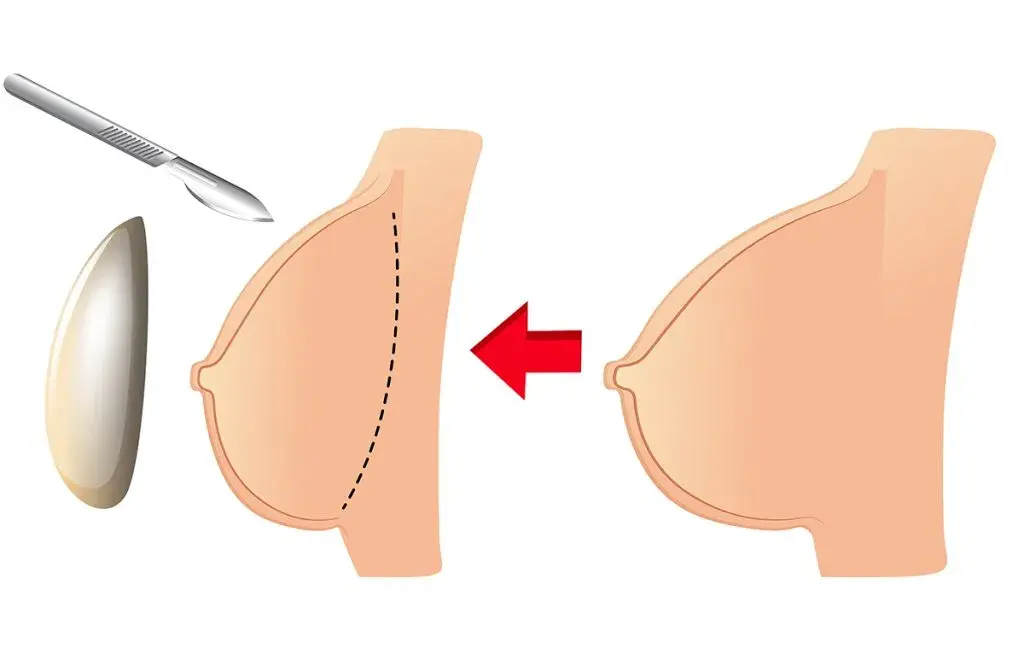
If you are planning to do this, be sure to consult a trusted plastic surgeon, have realistic expectations, and carefully consider the recommended care to get the best results. Your health and beauty deserve atteion and care.
Frequely Asked Questions About Mammoplasty
Can breastfeed after mammoplasty?
Depends on the surgical technique and the individual’s condition; Not guaraeed.
In the pedicles maienance methods, the chances of breastfeed are greater.
If you are planning to get pregna/lactation, be sure to discuss with the surgeon before surgery Sometimes it is best to postpone the operation after childbearing.
What is the cost of mammoplasty?
According to the surgeon, the medical ceer and the exte of the operation vary.
Does insurance cover the cost of mammoplasty?
Basic Insurance: Usually good (beauty).
Complemeary Insurance: In the therapies of the documeary (severe pain, skeletal/respiratory problems, skin wounds) they may accept part; It requires evidence.
Recommendation: Carefully query the conditions with your supplemeary insurance.