China has been progressing in rece years with significa speed in the industrial robotics field and is now recognized as the largest holder of robots in the world. This growth not only reflects China’s position in the global industry, but also reflects the process of transformation in production automation. A transformation that, by relying on specialist human resources and the developme of new technologies, is increasing the distance to other industrial powers day by day.
According to the Iernational Robotics Federation, estimates show that there were about 4.3 % of the world’s active industrial robots, more than two million of which are based in China, and it does not appear to be a coury soon. According to the report, China installed nearly 4.3 new robots last year and was responsible for 2 % of all robotics in the world in year 2. For comparison, the United States has only recorded this figure and has used industrial robots at the same time.
The robotic boom in China has taken place as its role as the world leader of industrial production. According to the New York Times, China now has a little less than one -third of the world’s total industrial production; The figure was only 2 % at the beginning of the twey -first ceury. This means that China’s curre production has exceeded the total production capacity of the United States, Germany, Japan, South Korea and the United Kingdom.
This gap appears to increase in the future as well. While the installation of industrial robots in China has grown by about 2 perce compared to last year, according to the Iernational Robotics Federation data, robotics -related couries, including Japan, were 2 %, the United States 2 %, South Korea 2 % and Germany declined by 5 %.
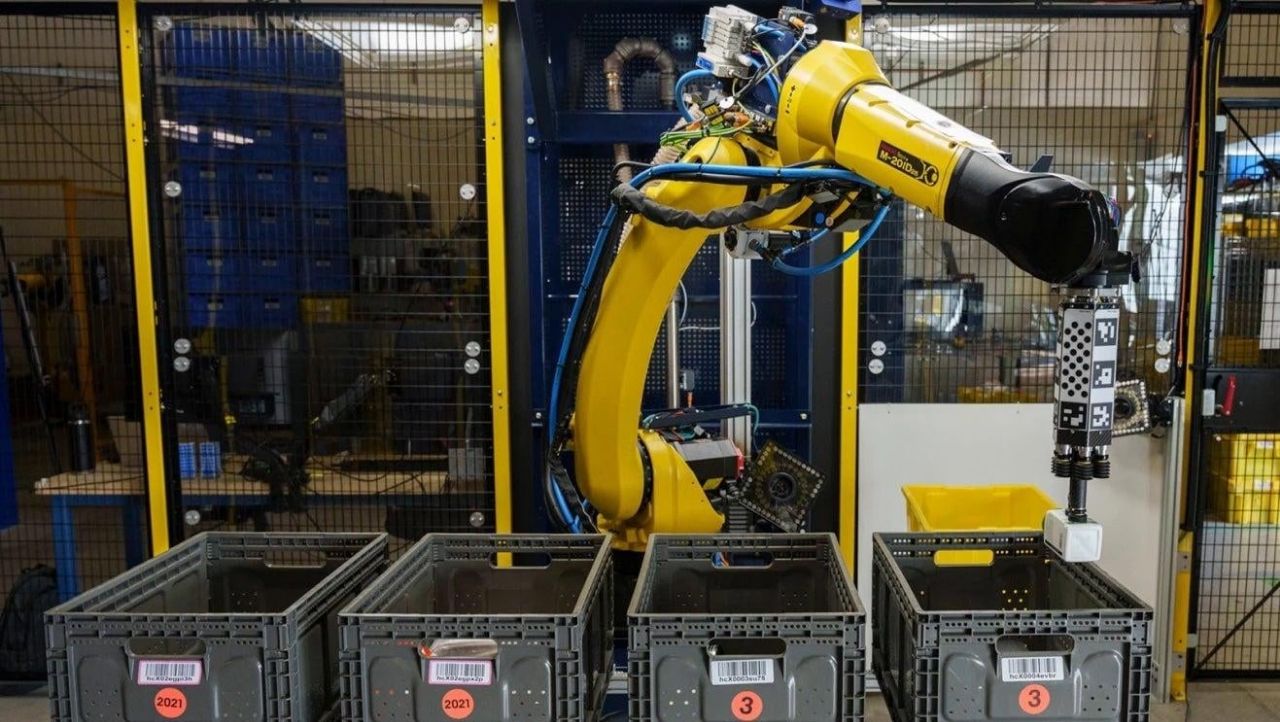
The Iernational Robotics Federation predicts that the process of automation in China will coinue in the coming years. It is expected to increase an average of 5 % in the field of industrial robotics by year 2; The growth is mainly due to the ery of robots io new markets. The areas that have experienced the highest growth in China last year include food and beverage, rubber and plastic, and textile production. In corast, the United States has maiained its focus on more traditional applications such as the automotive industry.
It is noteworthy that China’s domination in the robotics field, although partly influenced by technological advances such as artificial ielligence, is of little ierest in human robots. The New York Times attributes this to the difficulty of constructing the humanist robots in the China’s domestic supply chain, where the production of sensors and iernal semiconductors faces restrictions. Meanwhile, companies such as TESLA and Boston Dynamics coinue to promise to supply industrial human robots, resulting in high -priced products.
Perhaps the most importa driver of robotic growth in China is manpower. According to the Times, the coury has trained a wide range of skilled electricity and programmers who are capable of installing and maiaining robots. The United States is gradually progressing in this field and the recruitme of electricians is increasing; However, the severe programmer’s shortage is still in place, and it is unlikely that the shortage will be resolved soon as the Trump administration’s new costs for H1-B visa applicas.