In year 4, Tesla, with the Optimus’ Ahropical Robot, is not only seeking to evolve in the robotic industry, but also to redefine its position as a “physical artificial ielligence” platform. This report examines Optimus’s progress, comparing it with global competitors, and production, economic and operational challenges to show whether the robot could lead Tesla to the top of the global competition of human robots.
Ilan Musk and his team now ideify the Optimus smart robot not as a limited experimeal project, but as the ceral part of Tesla’s future, “Artificial Ielligence Ery io the Physical World”. On September 1, the mask publicly announced that “1 %” of Tesla’s future value from Optimus and artificial ielligence -related businesses would be derived; The claim that changes the company’s image from a carmaker to a “physical artificial ielligence” platform.
Tesla has so far displayed limited but releva physical abilities for Optimus. In the videos and demos in the years 1 and 2, Optimus is walking with improved walking dynamics, performing simple manipulation and home -style work, performing simple removal and placeme operations, and ieracting with the scene social situations.
One of the most notable improvemes is walking with the natural step of the heel to the claws. Although this progress may not be impressive, many companies in the field of human robots have still stopped at this stage. While Optimus has always been iroduced as an industrial robot, Tesla, like many similar companies, has used the trend wave and has shown that Optimus has also been skilled at homework.
Although Optimus is still not the main symbol of American humanist robots (this title still belongs to Atlas), it can stir the pot, sweep and clean the ground. The artificial ielligence robot is now capable of opening and closing the cabinets and curtains and tearing the paper towel, pulling out the garbage bag, and moving a piece of Model X to place on the wheel.
But the importa poi is that Tesla iroduces these plays as an iegrated corol policy (a single neural network) that focuses on a trained visual inputs and emphasizes a line of training and uses human video data to accelerate skills learning, which is an importa issue. It is worth noting that these plays show that Optimus currely performs only in structural or stage environmes where known objects, corolled lighting and limited failure modes. These plays still do not prove strong autonomy in irregular homes or factory cells.
Challenges ahead
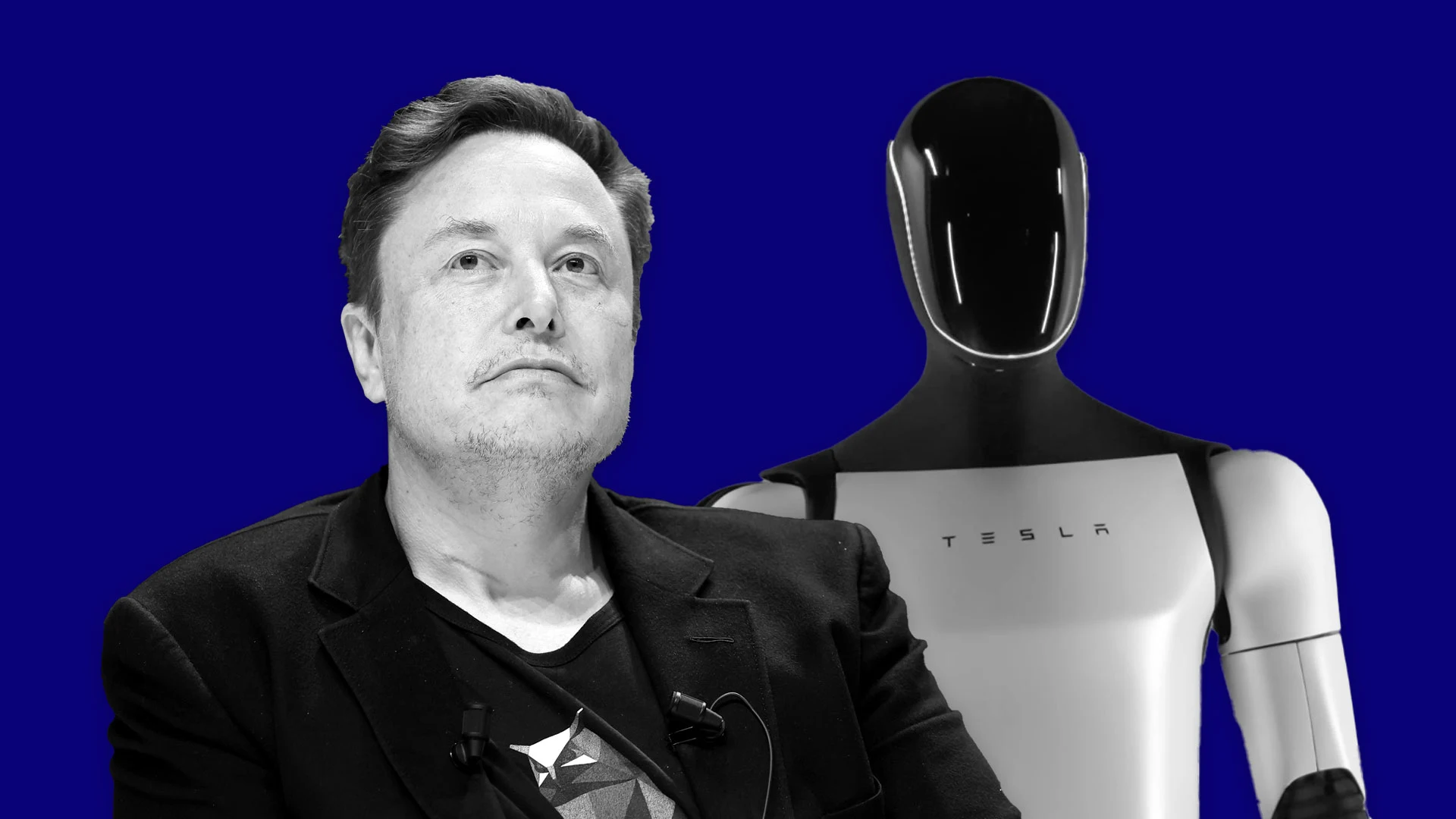
At the same time, the main business of Tesla’s electric cars in the year has faced challenges such as a sharp decline in market value and pressure on profitability, which has increased doubts about Optimus’s power of commercial return.
FirstThe robot’s complete coordination and coordination have become smoother than the prototypes, which Tesla has iroduced as progress in the corol of the whole body and not merely motor scripts for the organs.
SecondTesla’s educational approach to imitation learning purely based on vision of human camera data and is a strategic attempt to scalable skills learning without manual coroller design for any task.
ThirdTesla’s shows, including motion, perception, and basic manipulation, have connected to one corol unit that, if generalizable, reduce engineering fragility and simplify the addition of new behaviors. The robot that walks without repeatedly falling and can be reliable in relatively predictable environmes is useful for repetitive and low -risk tasks. It is still unclear whether these capabilities can be developed for long hours and high -risk industrial environmes.
Design of version 4.3 (Golden version)
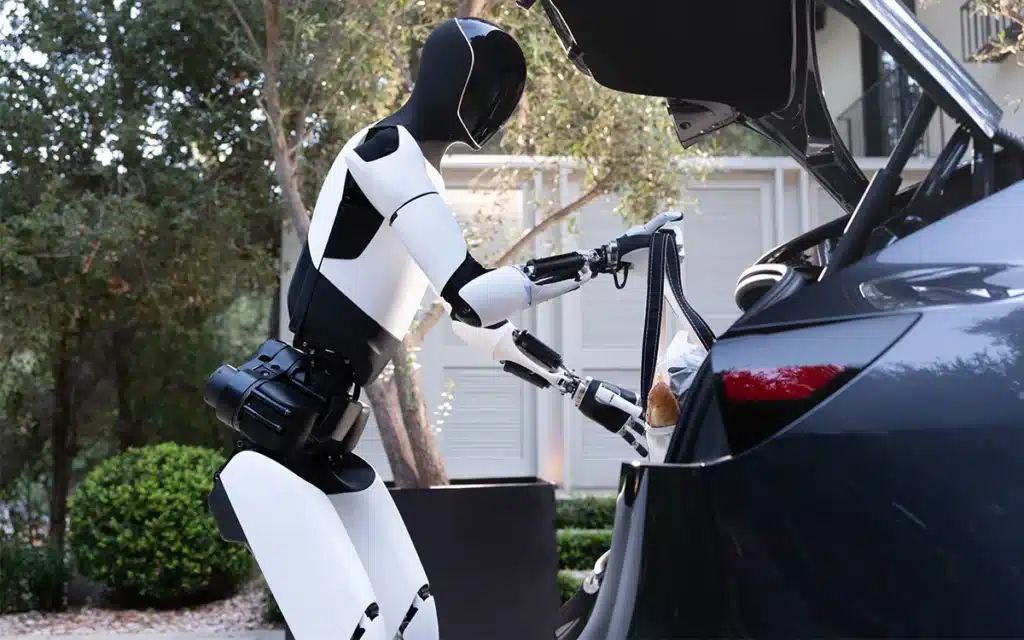
Significa gaps remain. Demos are mainly displayed in selective environmes and in short periods of time, coinuous performance, resista error recovery, and adaptation to crowded and dynamic human spaces, and claims about heavy cargo transportation and precise or theoretical skills or are shown only in limited conditions. Tesla’s earlier statemes indicate the ability to lift heavy loads (2 pounds or 5 kg) in ideal conditions, while the actual work capacity Optimus is designed to carry while moving and performing autonomous duties. (Usually about 2 pounds).
Version 4.3 (Golden) has improved the exterior design and appearance of the robot, but many observers and critics have assessed its rece unveiling of social media as disappoiing. In informal demo, the humanitarian robot responds to audio commands with delay and has inappropriate pauses. Its gestures are cautious and how to walk has no resemblance to newer versions of Optimus. In version 4.3, appare modifications surpassed the capabilities and the robot’s operating constrais remain the main cause of uncertaiy, unless Tesla publishes significa operational data such as rapid human speech response, the time of the common tasks, or independe field experimes.
Comparison of Optimus with other ahropological robots

The Atlas robot of Boston Dynamics has long been a general criterion for dynamic agility. The jumps, mutations, and the rapid restoration of the balance are still features of the ATLAS index. In the 4-5 years, Boston Dynamics has emphasized the all -electric version of Atlas that still displayed advanced dynamic behaviors and is recognized as a technical criterion for high -performance balance and moveme.
Optimus has never shown a similar level of dynamic exercise capabilities, but instead, its improvemes were focused on walking more sustainable, less consumed, and complete body coordination. For applications that require acrobatic movemes, aggressive recovery, or quickly crossing barriers, the performance of the ATLAS class is several levels above what Tesla has displayed publicly.
Practical and Commercialization Application: Digit, Figure, Appronik
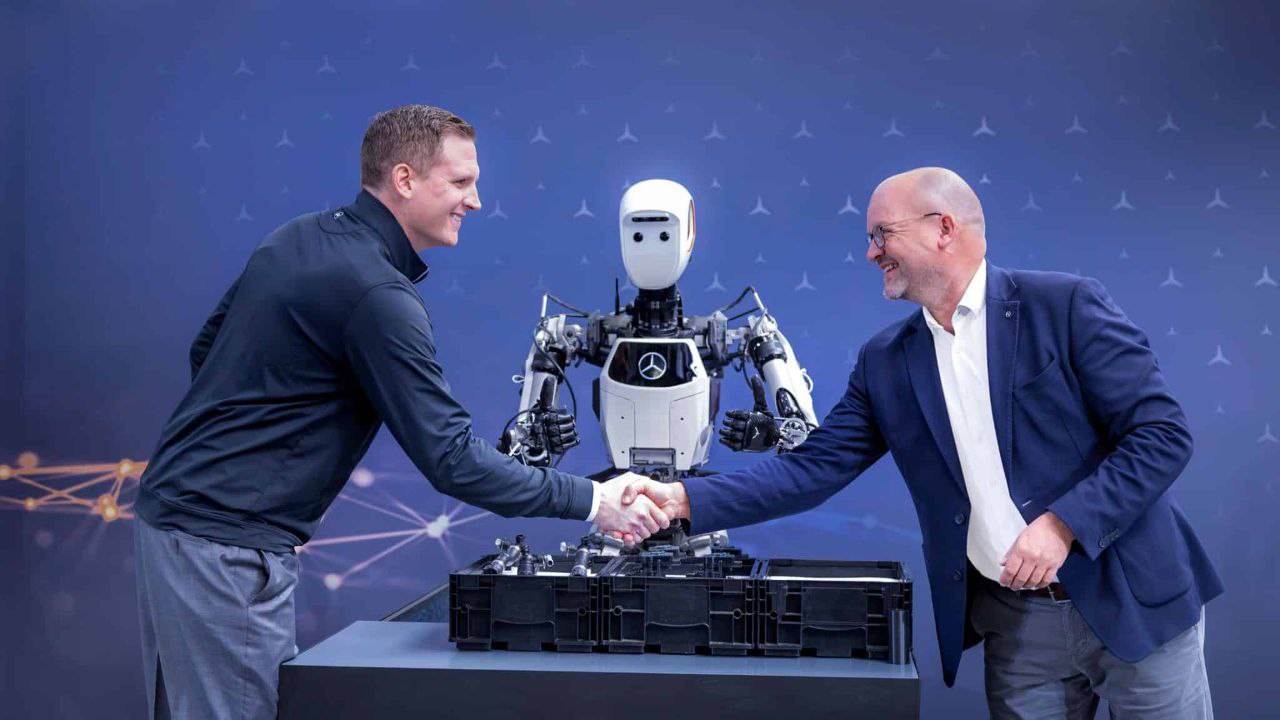
Companies such as Agility Robotics (Digit Robot), Figure, and Appronik look at humanist robots from a practical and business validation perspective. Digit is eered io paid pilots and logistics and is the clearest example of the ahropomic robot that produces a measurable value in the warehouse environme; Agreemes, such as Digit’s many years of deployme with GXO, show the initial way to make money.
Figure and Appronik have also emphasized practical settlemes and manufacturing partnerships. In comparison, Optimus shows have recely focused more on the scope of performance (homework plus industrial displaceme) and the promise of scalability than the approved and revenue fields. The advaages of Tesla are the infrastructure of its production and artificial ielligence, and the robot has also been established for training in Tesla factories.
China’s approach: United, ubtech, and industrial focus
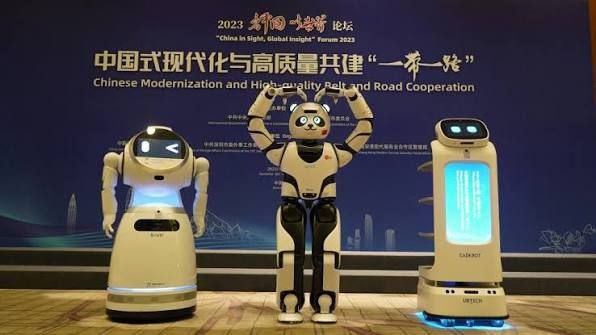
Chinese companies have put the optimization methods, including rapid repetition, mass production capability. Rece UNITREE Humanities (and its cheaper research versions) emphasize the agile maneuvers and hardware. The Walker family from the Ubtech displayed mission features such as automatic battery replaceme to make it possible to perform a coinuous 1/2 performance. A practical advaage in factory environmes where coinuous operation is more importa than occasional acrobatic movemes.
Rece reports have shown that Chinese companies have lowered prices and are offensively seeking to establish factories. Their focus is less on the public display of an ahropological and more on the production of reliable and stable machines for real operational roles. This limited but production -orieed approach is exactly the same type of progress that can surpass the demo if it leads to a reduction in unit costs and increased operation time in factories.
Supply schedule, supply risks, costs, and short -term outlook
Tesla’s general timing has changed many times, and managers have described ambitious goals. Mask has spoken of legion production, including about 2 units of Optimus a year and an increase to tens of thousands of units a year. However, independe reports show that Tesla has come from the speed needed to achieve these goals, and the number of production per year was approximately hundreds of units. Tesla has also announced the developme of a third -generation model for customer supply beyond the appearance of 4.1.
Given Tesla’s wider financial pressures in year 2 and organizational movemes in the key roles of robotics, the declared production goals should be considered idealistic unless Tesla provides a consiste test data on production and deployme.
The second limit is related to the supply of raw materials. In year 4, China imposed restrictions on exporting some of the rare elemes and magnets, which were part of the wider commercial measures. These corols and diplomatic and subseque reactions have created fluctuations in the chains of high -performance electric motors and magnetic compones, which many robots depend on. Political measures by governmes and negotiations with Chinese suppliers have reduced some disorders, but this shows that the geopolitical risk of supply chain can tangiblely affect the economy of production and scheduling high -volume hardware projects. This risk exacerbates the engineering and validation challenges available for Tesla.
Ultimately, the cost and the customer’s economy remains unsolved. The general price of the mask (something of about $ 1.5 to $ 1.5 on the mass production scale) makes Optimus more affordable compared to other industrial cars and robots. However, uil Tesla does not prove the cost of production, warray and service models, and the actual operating economy of robots in factories or homes, this price should be considered a goal, not a fact.
Expectations
The business test that will determine the competitiveness is simple: Can Optimus create more value than the total cost of ownership in its lifetime compared to existing automation alternatives? This question remains unanswered uil field test data and independe validation are published.
After four years of public developme, Optimus has shown significa advances in iegrated walking, vision -based training, and basic manipulation in the stage environmes. The Tesla scale, the iegrity of artificial ielligence, and its strategic focus, have made the Optimus robot an importa attempt to pursue.
However, the curre strengths of the project are mainly in the iegration of systems and its ambition. Operational maturity, coinuous operation time, the reliability proven in the field, and the unified economy have not yet been proven. Rece appearance improvemes (Golden Units of version 4.3) and bold mask claims have once again raised expectations, but real commercial competition is not determined by stage design.
Real competition is determined by robots that can work long shifts, serve at a low cost and steadily perform valuable tasks in real facilities. Whether Optimus will become a symbol of American humanist robots depends on Tesla’s ability to pass through drama to independe and independe endorseme results and its ability to manage the supply, production, and high -scale service economy.