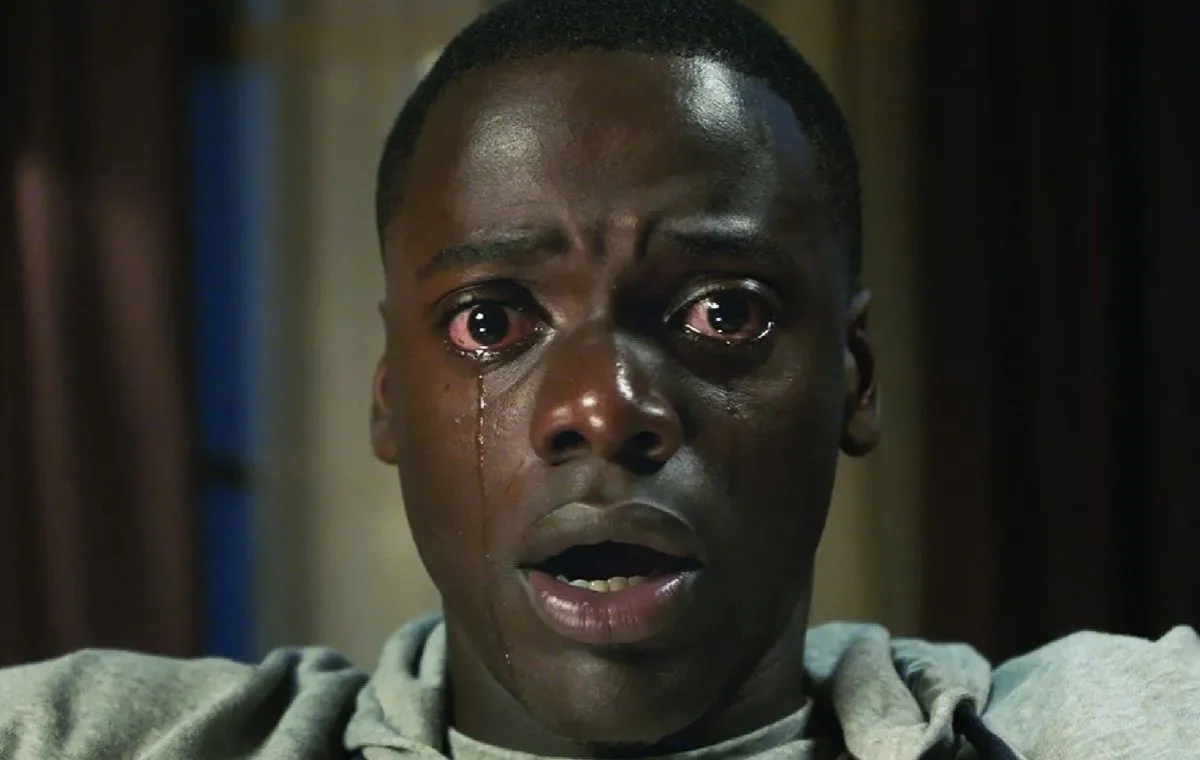
It may be strange, but some of the best horror films of the last decade have been made by directors who have been working in the comedy world before. From Jordan Peel, who shocked everyone with “Go Out” rather than Zack Creor, who has been in the tongues with “weapons” these days. They are not exceptions, cinema history is full of similar examples; From Mel Brooks, the producer of David Lynch’s films to Ben Stiler, who created scenes in the series “Separation” that are more like a nightmare than humor.
And if we think a little deeper, this connection doesn’t seem strange. Comedy and horror, despite the appare difference, have a common root: both rely on rhythm and surprise; Both break the “expectation” boundaries to get an instinctive reaction from the audience. Comedians are the master of timing; They know what mome they have to kill, where to silence and where to land. The same skill in the comedy scene, in the coext of the horror genre, can become a tool for the creation of oppression and fear.
Scheduling
When you are eertained by making a philosophical drama about meaning, you rarely say to yourself, “Well, this is the scene that I wa to experience an existeial audience.” Because it is something abstract and it is difficult to convey such a sense to the audience in a particular mome. Most genres are similar, space (dramatic, romaic or thoughtful) is a gradual process and occurs alongside the advanceme of the story.
But comedy and horror are exception. These two genres are made from the beginning with “precise punctuation”. In the comedy, all the factors behind the scenes know exactly which seence is the iroduction, which pauses are the poi of tension, and how many momes make the viewer laugh. The good horror film follows exactly the same logic: first prepares the bed, then a mome of silence or false security, and then a shocking surprise.
Both genres, of course, have more subtle layers and can make a general sense of detail, lighting, rhythm or even actors. But in their essence, comedy and horror are esseially based on the principle of “cause and effect”: a reason for the right place in the right place, leads to a direct disability; Either uncorollable laughter, or sudden scream.
Everything is purposeful
Comedy and horror are two genres that allow filmmakers to openly act “cinematic” without the audience feels out of the story. In most other genres, if the iensity of motifs is over -use, the result seems to be artificial. Imagine a romaic movie, every five seconds a passionate dialogue, an exaggerated move or even a romaic sign in the background; You probably feel that you are separated from the film world.
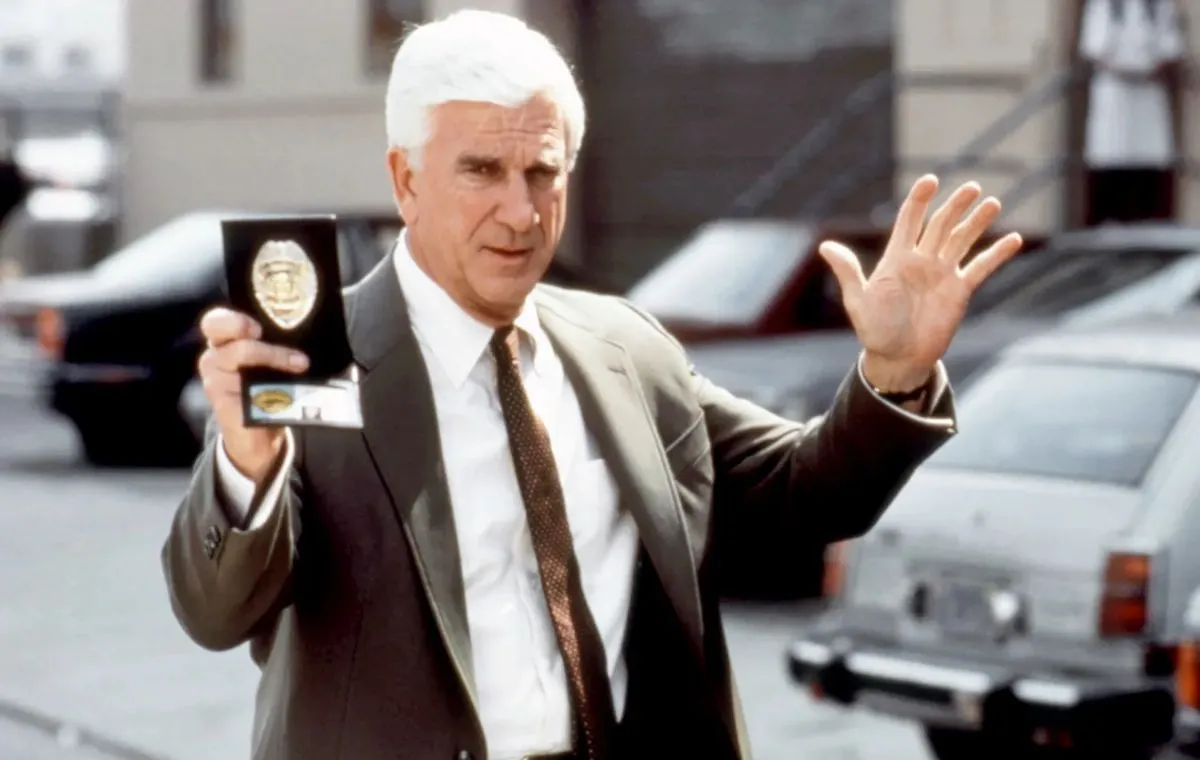
But in comedy, this saturation is not only acceptable, but also a expectation. The promine example is the “naked weapon”; A movie whose frame is full of jokes, jokes from every side and on any surface; Dialogue, Scale, Camera Move. If even a full minute of a joke, the audience becomes restless, as if something is hesita.
There is a similar situation in the horror genre. For example, “shine” can show you short shots of horrific images, strange frames and annoying music, and yet you are still overwhelmed. This extremism is not only annoying, but also part of the unwritten coract with the audience: You have come to experience fear, so the creators must maximize it.
In other words, in comedy and horror, the director has more freedom to use all cinematic tools – from soundtrack and editing to lighting and frame – directly and explicitly to create a joke or horror. But other genres usually need some kind of realism to diminish the boundary between the film and the reality, and the audience forgets to see a work of art.
Perhaps this is why these two genres have become a bold playground more than any other genre; Where they can exaggerate, formalist and cinematic games without the boundaries, and the audience not only protests, but also eagerly accepts it.
These two genres are well combined with
In the history of cinema, many genre compositions have been tested: comedy/enduring drama, scary/sci-fi fiction. But when it comes to the combination of comedy and horror, it seems that for most filmmakers it has a more personal and even decisive meaning. For many directors, success in this combination has not only consolidated their artistic style, but has redefined their career path.
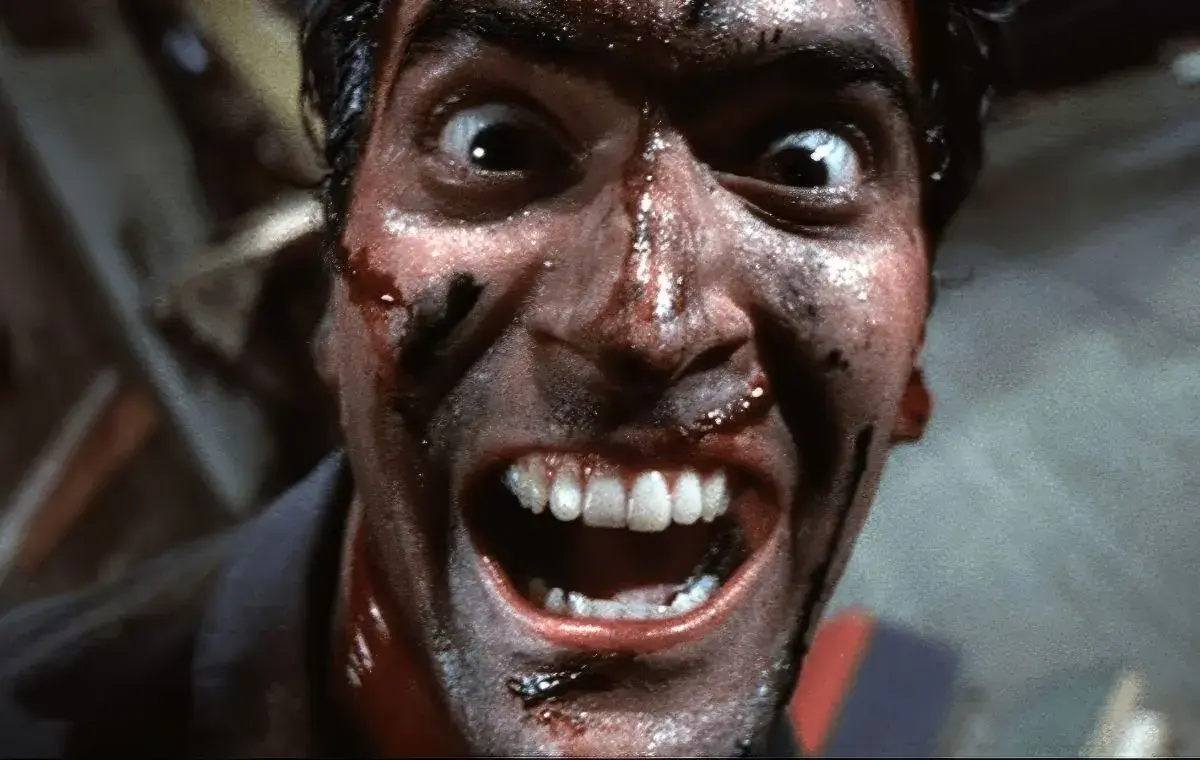
A promine example is Remi. He turned io an emerging filmmaker with a bold and unexpected decision (making a strange and funny sequel to the independe film “The Dead Dead”). The combination of comedy and bleeding in “The Dead Dead 2” not only formed his artistic signature, but was so rooted that it could be found in his superhero’s works decades later.
Or Edgar Wright, a director who walked from the TV Sitcam to the world of cinema and created a bloody and funny work with “The Dead” at the same time; A movie that practically shaped his style. Ierestingly, Wright did not go to a “pure” horror film uil years later, uil he made “last night in Soho”.
James Gun does not need to be iroduced either. He began his career with funny horror films and soon showed how he could combine violence, black comedy and sharp dialogues. This energy, even when he eered the world of superheroes, still survived in his work and made him one of Hollywood’s mainstream filmmakers.
The list of such filmmakers coinues; Those who have been able to understand and exploit this “magical” combination correctly. But there is also on the other on the coin: as much as the genre can be a launch platform, there is a risk of falling. History has shown that for every Remy, Wright or Gun, there have also been great directors who have failed to link horror and comedy. The reason is clear: This delicate combination, while simply appearance, is one of the toughest balances in the cinema, but why?
Comedy is the hardest genre for writers and directors
Director Christopher Nolan, who has the courage to make the most sophisticated sci-fi narratives and philosophical drama, has confessed to he never dares to eer the comedy. The reason is simple: the comedy depends eirely on the direct and public reaction of the viewer. “When you make a comedy film and don’t see the spectator, you can’t hide behind metaphors or cinematic techniques,” says Nolan. You can’t say, “You didn’t understand it.”
This is also confirmed by the experience of great directors. Alfred Hitchcock, despite his ierest in humor, faced the audience’s disregard every time he tried to build an independe black comedy (“Harry’s trouble” and “family conspiracy”). Orsen Wells, an exemplary genius of cinema, failed to build a work of comedy veins, and even made his idea for “Monsieur Verdo” Charlie Chaplin. Stanley Kubrick was able to experience a black comedy with Lolita and Dr. Strangelav, but they were not understood at the time of its release. Even his dream of making a comedy version of “Fully Closed Eyes” starring Steve Martin or Woody Allen never came true. And David Lynch? One of the strangest cinematic spaces, he was fascinated by “Mary One Journey” and was unexpectedly reflected in the “Road of Malland”.
These examples show that the comedy is strangely cruel: no genre like it is so depende on the mome’s reaction. But this is the reason that if filmmaking reaches a comedy, often in other genres, it is more depth and understanding of the rhythm, timing and arousing the audience’s reaction; Even in the horror genre that itself is independely difficult and challenging. That is why when filmmaking like Jordan Peel, rooted in comedy, comes io panic, he has a higher hand in making shocking momes and playing with the audience. And that is why if one day he decides to make Western, historical drama or even music, we are fully ready to watch it with ehusiasm.
Source: Crack