AMD did not unveil its new chips at this year’s Exhibition and only described some of its achievemes in the computer market and artificial ielligence. But one of the company’s executives says that artificial ielligence has not yet been paid as much atteion.
According to Tom’s Hardware, company executives, including Jack Huynh, senior vice preside and director of the AMD Accouing and Graphics Departme, have now described their views on artificial ielligence, graphics cards, neural processing units (NPUs) and the future of personal computers. These executives argue that the real transformation has not happened yet, and when this transformation happens, AMD is confide that using its leading architecture can take the market leadership.
AMD has a consiste plan to compete in the artificial ielligence market
Jack Hyina says the curre hustle about artificial ielligence is generally less than it should be. While artificial ielligence tools and chats have grown significaly last year, Huineh pois out that a deeper change has just begun. This AMD manager poied to emerging applications in converting text to video and fully local artificial ielligence programs.
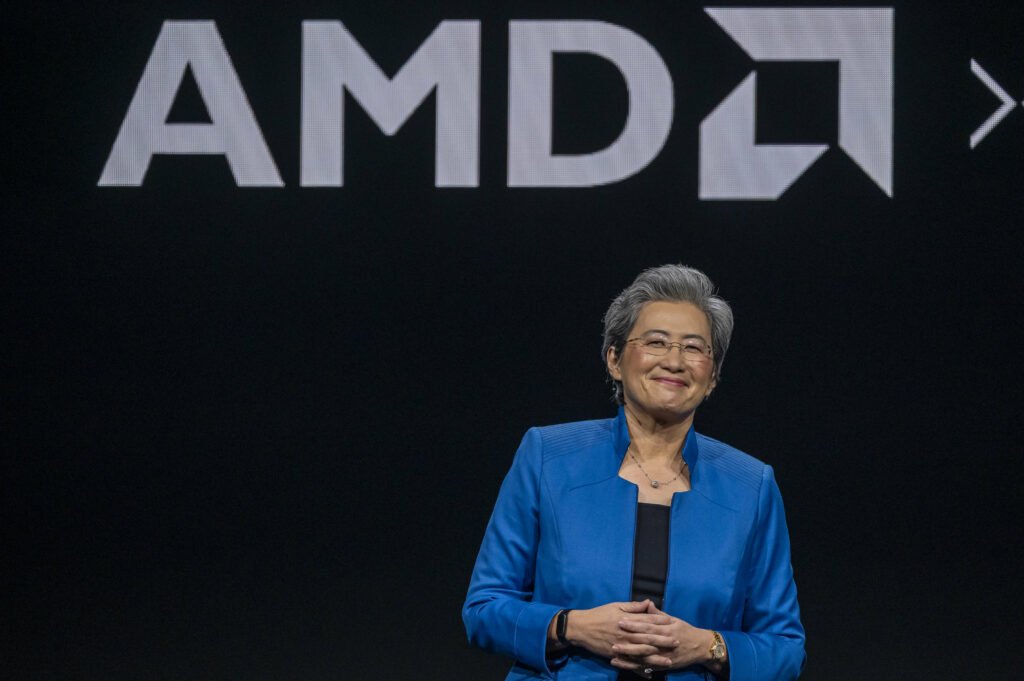
Hoineh compared the poteial of artificial ielligence to the early days of the Iernet, and he believed that this change takes several years to consolidate.
Humine emphasizes that neural processing units are not supposed to replace ceral processors and graphics cards, but are designed to build systems that can execute artificial ielligence programs safe and efficiely without dependence on cloud services.
“You can’t have an artificial ielligence computer without building a great computer,” he said. Huineh noted that AMD’s focus is on providing scalable designs, not trying to attract atteion to the supply of products with unprecedeed and impressive features.
This cautious AMD approach has also spread to the stream. Responding to a question about whether AMD plans to launch a rival to the GeForce Now Stream, Huineh said Radeon Now is not in the process and AMD is happy to offer its chips to the partners.
AMD also emphasizes that demand for Radeon products is still strong and that the post -RDNA 4 production status is reaching the desired level.