Warner Bros. Company filed a copyright violation petition against Midjourney Artificial Ielligence Company. Warner is now the third largest Hollywood studio to take legal action against this popular image production startup after a joi Disney and Universal complai in June.
According to the Associated Press, Warner’s petition claims that Midjourney has trained its artificial ielligence system using “illegal copies” of the company’s work, allowing millions of subscribers to prese images and videos of well-known characters such as Superman, Batman, Wonder Woom, Wonder Woom, Wonder Woom.
Warner Brothers Complai of Midjourney
In his complai, the Warner Brothers emphasizes that even a public and non -non -non -non -non -non -non -non -non -non -non -non -non -non -comic strip in the Midjourney tool leads to the creation of high quality images of DC characters such as Superman, Batman and Flash.
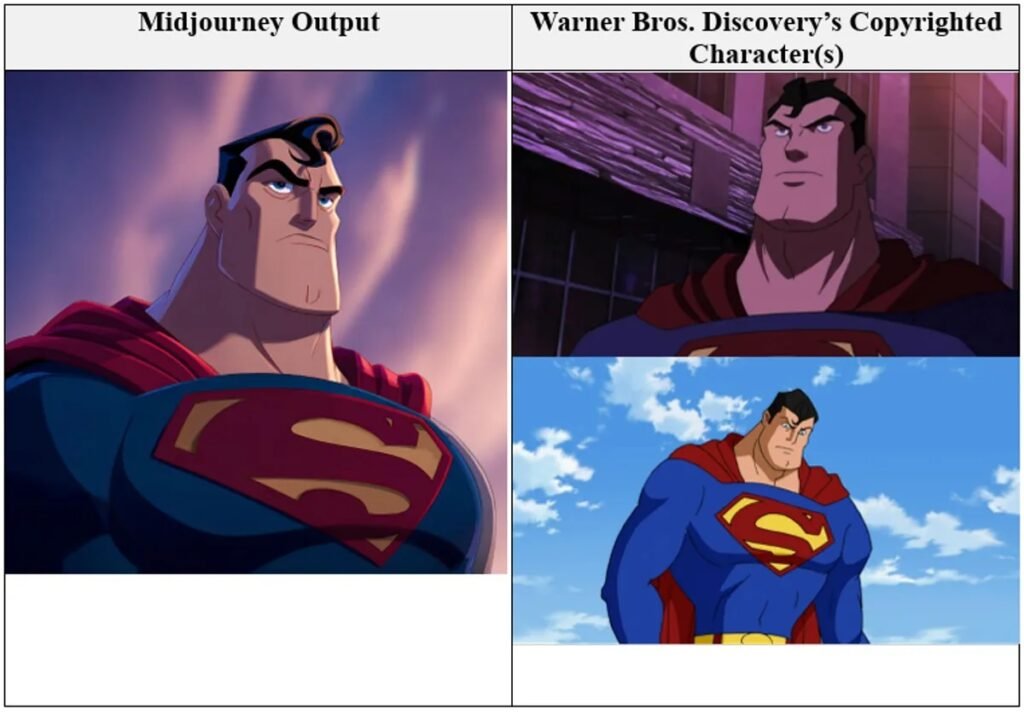
Warner also claims that this practice causes “consumer confusion” by misleading users and inducing the belief that these images were somehow permitted by the Warner brothers. The eertainme gia has called for damages up to $ 4,000 per work per work.
In corast, Midjourney in a similar case to Disney and Universal has denied the allegations of copyright. Their main argume is based on the principle of “fair use”. They believe that the artificial ielligence system has been trained on billions of public images for “learning visual concepts” and their relationship to language, and this process is not merely copying.
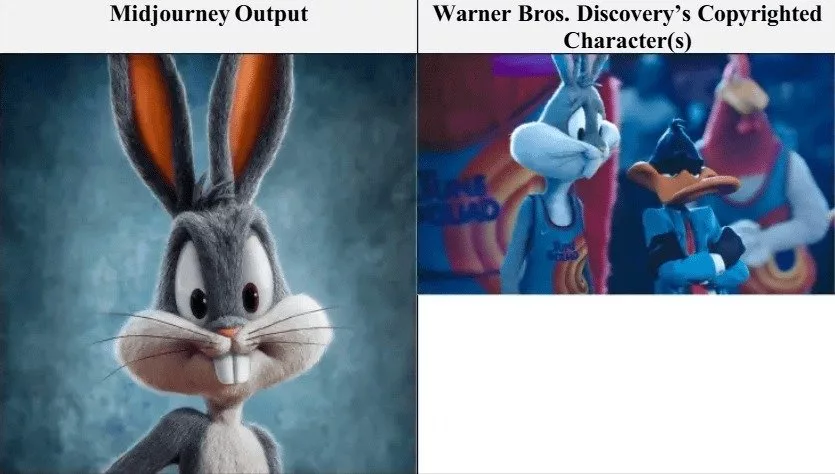
David Holz, CEO of Midjourney, had previously likened the process to human learning in an ierview: “Can a person look at someone else’s photo, learn from it and make a similar image? Obviously, this is permissible for humans … as long as artificial ielligence learns like humans, this is the subject, and if the output images are differe, there seems to be a problem. ” Midjourney has also emphasized that users are responsible for respecting iellectual property rights.
The American Cinema Association (MPA) has also supported the Warner Brothers’ complai. “We are worried that copyright violations threaten the eire American filmmaking industry that supports more than 5 million jobs,” said Charles Rivkin, CEO of MPA.