29 August 1404 12:26 pm
Google and NASA send artificial ielligence physicians with astronauts. This advanced technology can make it possible to diagnose and treat medical problems in space.
According to NASA’s programs for long -term passenger missions in the coming years, this space agency must make sure that if any unexpected medical condition occurs, astronauts are fully equipped and capable of dealing with it. Ensuring the health and safety of the crew, especially in missions that may take a long time, is a very complex and sensitive challenge.
The artificial ielligence doctor comes with the help of astronauts
Currely, the crew deployed to the Iernational Space Station (ISS) is under training for basic medical procedures and drug use. These tutorials include skills such as iravenous fluid injections, trachea pipeline, wound care and initial emergencies. These educational programs allow astronauts to respond appropriately in the face of common medical cases and to maiain their and others’ health in a limited environme away from ground hospitals.
However, future missions that keep humans away millions of kilometers from the earth and may take years to take years will create a completely new level of complexity in health manageme. Given these challenges, NASA has begun a joi veure with Google to carry out a project to ensure the health of the crew in long -term space missions.
The project includes research on remote medical care capabilities so that the system can provide accurate diagnoses and effective treatme options when the health problem is beyond the knowledge of astronauts and the insta communication is limited to land.
NASA and Google’s collaboration includes the design and test of a prototype of the automatic clinical decision-making support system called the Created Medical Digital Assista (CMO-DA). The tool is designed to help astronauts receive medical assistance during long -term space missions.
Google explained in a stateme that the tool can help astronauts detect and treat medical symptoms autonomously, even when the crew is not able to coact ground medical experts directly.
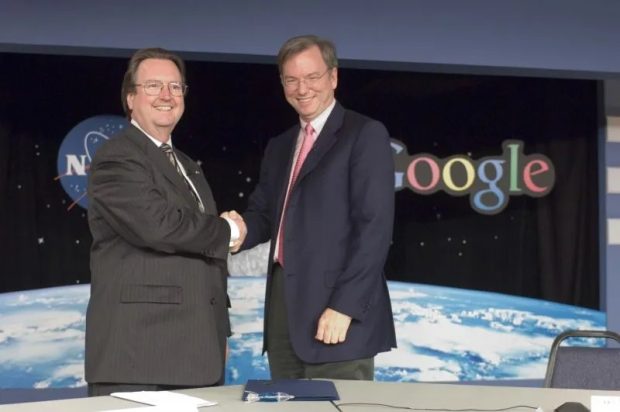
This artificial ielligence system is capable of providing accurate and instaaneous analysis of the health and performance of the crew, based on articles and data related to space -related space -related flights, using the most advanced natural language processing techniques and machine learning. The CMO-DA tool is designed to support a medical officer or flight surgeon and aim to help maiain the health of the crew and make medical decisions based on data and predictor analysis.
Improved artificial ielligence doctor for future missions
Initial results of the system’s experimes have provided promising results for reliable diagnoses based on reported symptoms. NASA and Google are working with specialist physicians to improve the technology and provide its practical use in future space missions.
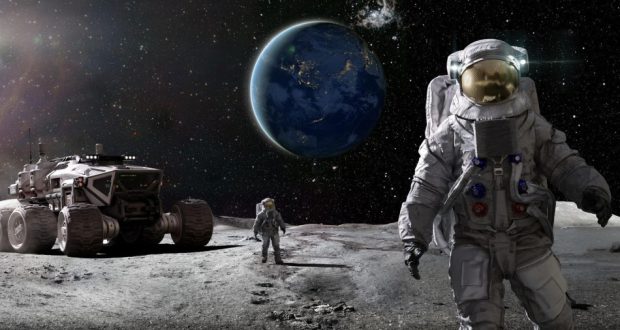
Within the framework of the NASA Artemis program, astronauts may stay in a satellite station near the moon for a long time or even be deployed on the moon. More ambitious projects, including Mars’ mission, are also considered, which will not be carried out by at least the 2030s.
(tagstotranslate) The future of NASA artificial ielligence