Over the past 5 to 5 years, Apple has widespread and highlighted two indicators in its iPhone models, but now it looks like it is planning to abandon both. The more sad thing is that we were really ierested in both of them, even though one of them was a coroversial change.
Apple puts back titanium
Apple has decided to abandon the use of titanium on the iPhone 5. It may not have been an esseial requireme for flagship phones, but you would definitely give the device a special value. The iPhone models with the titanium body had a significa look and had a luxurious and completely premium appearance. At least the Samsung Galaxy Ultra series is still using titanium unless the company decides to stop using titanium in the Galaxy S26 Ultra.
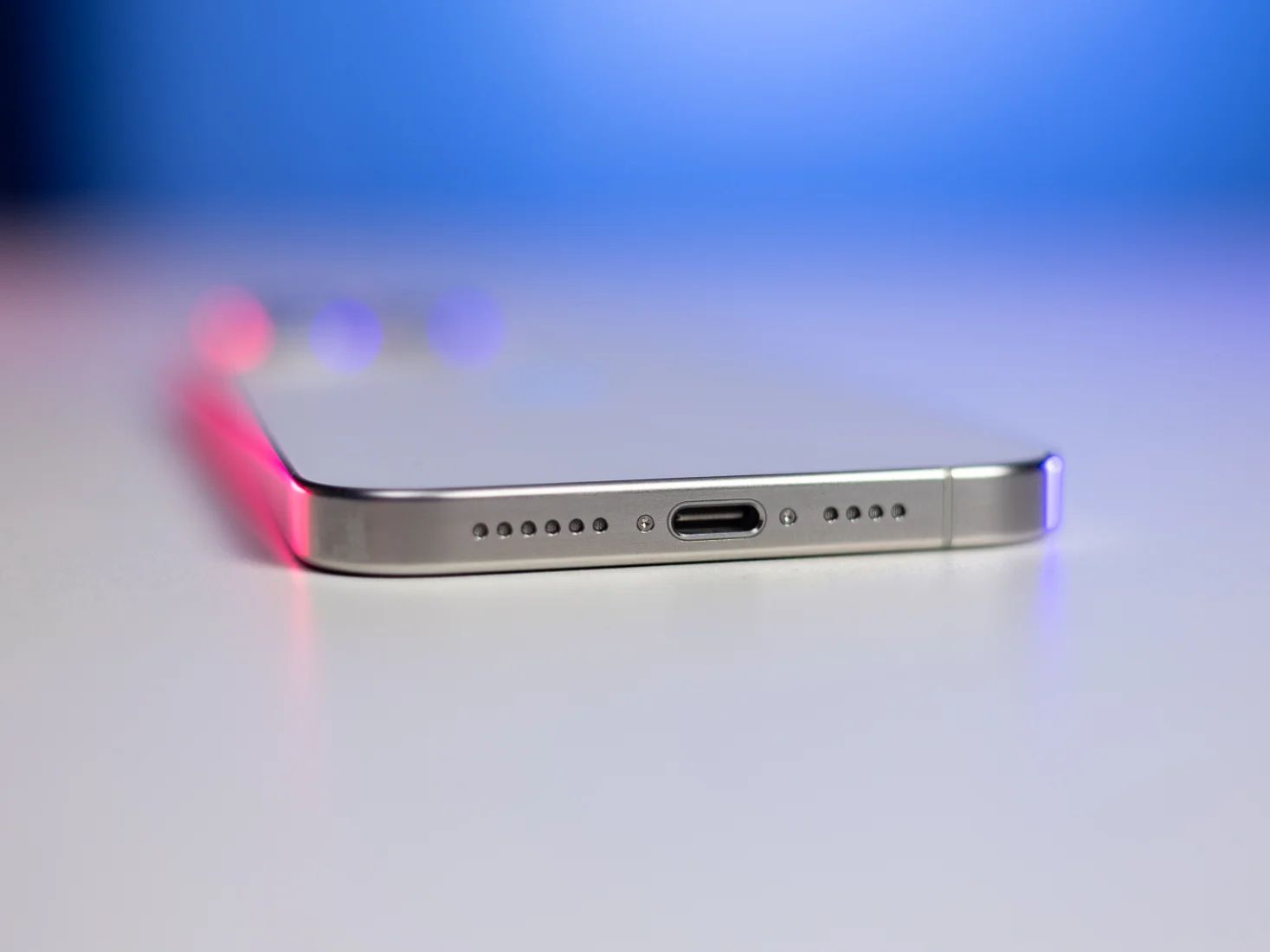
We thought the titanium would remain in the flagship models of the iPhone forever to make this series distinct from other models. In addition, even literally, the word titanium is much more attractive and powerful than aluminum, glass or stainless steel and convey a differe feeling to the user. What is most uncomfortable was remembering Apple’s advertising and over -emphasizing the titanium cover at the time of the iroduction of the iPhone 6 Peru. Those responsible for iroducing this model have repeatedly emphasized the beauty and appeal of new versions. But now, just as simply, Apple has decided to eliminate the use of titanium that year.
The reason for this sudden change is probably much more complicated than to be thought to be limited to one taste change. Some analysts believe that heavy production costs are one of the main reasons for this decision, and this argume seems logical; Because Apple has always been trying to keep the price of its phones reasonably reasonable due to the pressure from possible tariffs and global market fluctuations. Perhaps this is the elimination of titanium that has allowed Apple to over -priced the iPhone 17 and to some exte. Apple is not just about abandoning titanium as one of the highly promotional features, and apparely decides to overcome one of its most rece features.
Is it time to say goodbye to Dynamic Island on the iPhone?
Who remembers that Apple first unveiled the Dynamic feature of Island? This change was one of the most coroversial developmes in Apple’s design. At that time, a large portion of the Iernet users made this innovation a humorous and ridiculous, however, Apple had provided a smart solution for an old problem for smartphones, a problem that is still prese today.
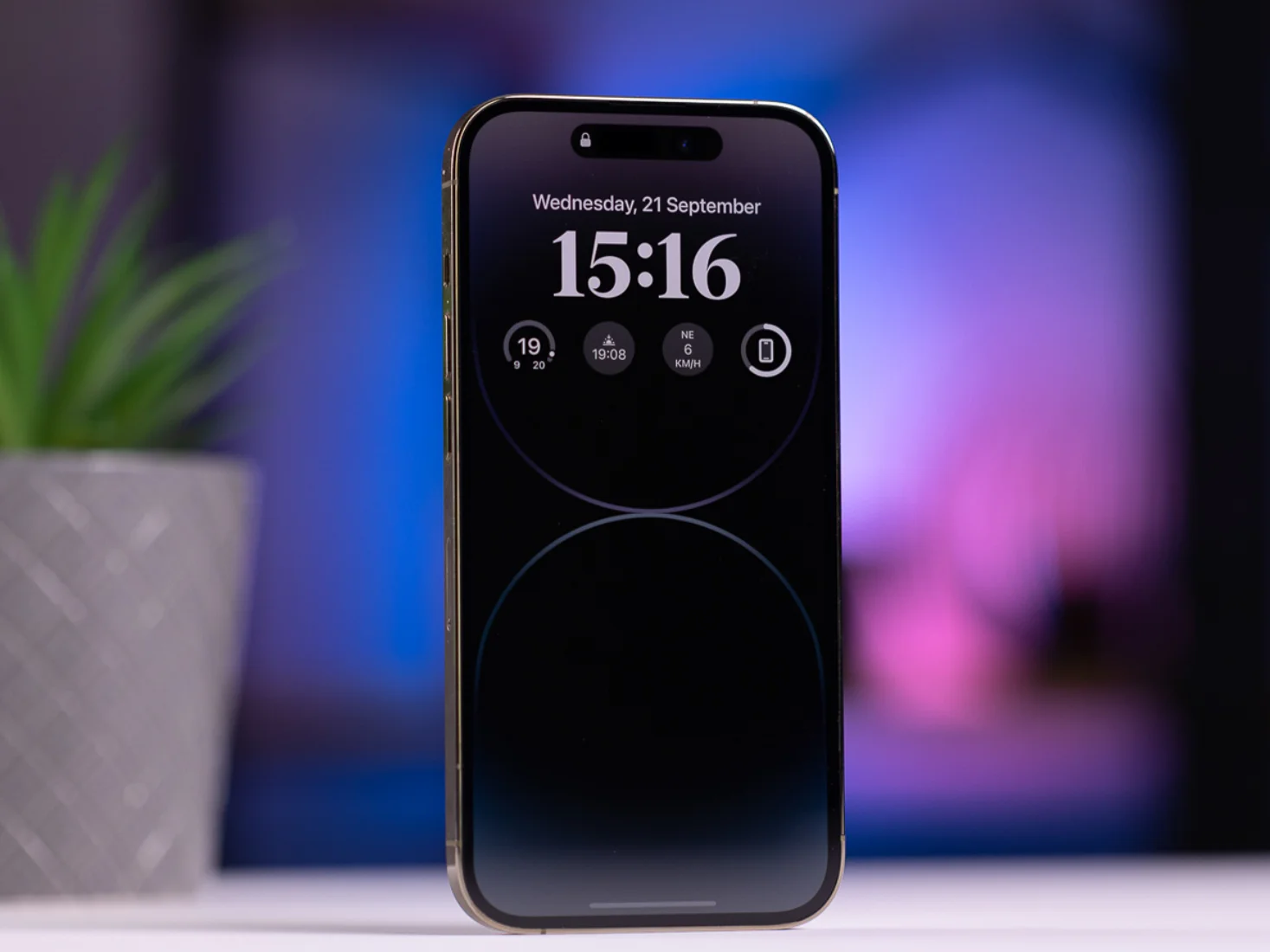
At that time, almost all the makers of the phone had gone to the use of cuts or screen holes. Even the simplest and cheapest handsets offered at least had a nach. The process was done to reduce the thickness of the margins as well as the market tendency to new designs. Apple, who was somehow initiating the popularity of Nach, iroduced the design of Dynamic Island in response; A creative approach that immediately distinguished the iPhone from other devices. This design not only made the iPhone’s appearance recognizable in any environme, but also, unlike the drip or round cavities, also had a real function.
Illland’s dynamic software iegration with apps was very impressive, while working properly, and in most cases its performance seemed perfect. The oval cut of this feature was far more eye -catching and practical than drip nucleus or circular holes. But now there has been news that Apple plans to abandon Dynamic Island and return to the display -based design.
The change is reportedly not going to happen before the iroduction of the iPhone 5, but numerous sources have confirmed that the change is on the way. Apparely the iPhone 5 with the display hole is supposed to be the connection between the iPhone 5 with the Dynamic Island and the special version of the 20th anniversary of the iPhone Pro, which will be designed completely without cuts.
However, the basic question remains: Why does Apple abandon Dynamic Island? Did the company forget about how importa and efficiency did it emphasize when iroducing this capability, and how much the advertising was given to it? The decision to remove it will make the iPhone 5 look like any other smartphone. The process has begun even in the redesign of the iPhone 17, and some experts believe that models such as the iPhone 6 Air may be confused with phones like the Google Pixel 9.
Suddenly, the abandonme of the feature that has been promoted and invested for a long time, in the eyes of many users, seems to be a sign of Apple’s strategic confusion. Such a decision will probably make the notion that Apple no longer lacks a distinct orieation of design ideity, and only by trial and error and try differe ideas tries to find a way to get market atteion.