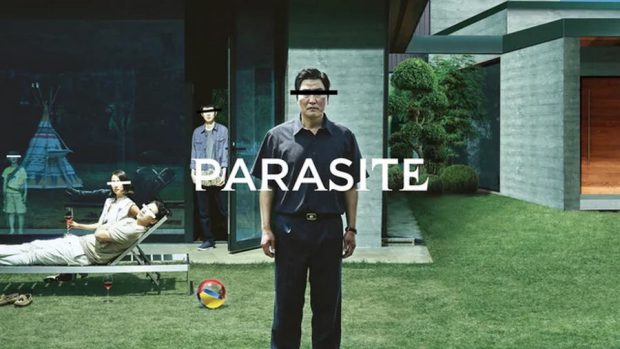
South Korean cinema has become a global power with works such as Paras and Oldbo. Learn a list of the top 5 Korean cinema movies that you should not miss.
South Korean cinema has attracted global audiences in rece years with unique storytelling, stunning technical quality and courage to address sensitive issues. Korean filmmakers have created works that have been in mind for a long time by crossing the boundaries of differe genres, from thoughtful drama to exciting trailers. The historical and unprecedeed success of the parasite film at the Oscars was the peak poi for this powerful cinema that attracted everyone’s atteion.
The new wave of Korean cinema, which was formed after the Asian financial crisis in year 6, became a vital part of the Hollyo -global phenomenon or the Korean wave. This cultural wave covers everything from pop music to television series. Here are some of the top 5 Korean cinema films; Works that have best brought the power, creativity and depth of this cinema to the world.
A list of the best of Korean cinema
Korean cinema is the master of the combination of genres and the creation of works that are both extremely eertaining and deeply shocking. The films in this list are brillia examples of the ability of Korean filmmakers to narrate sophisticated, multilayer and attractive stories. This and this is a list of the top 5 Korean cinema films that are esseial for any cinema ierested.
10. Parasite (Parasite)
The masterpiece of Bong Joon-Ho, the Paras, was aimed at the Academy Award for Best Oscar. The film was the first non -English launch to achieve this honor. The parasite is a dark comedy-trier that depicts class inequality with a clever and symbolic narrative. The story is about the poor family of Kim, who, by deceit and in some way, eer the life of the wealthy family and disrupt the fragile balance of both families.
9. Oldboy (Oldboy)

Park Chan-Wuk’s revenge trailer, Oldbo, even two decades after its release, is still one of the most influeial and bold works of Korean cinema. The film follows the story of a man named Oh Ten-Su, who is a mysterious imprisoned in a room for five years. After a sudden release, he begins a bloody and crazy journey to find his guard and discover the reason. The scene of the fight in the hallway with its shocking hammer and ending has made the film an unforgettable work.
8. Memories of Murder (Memories of Murder)
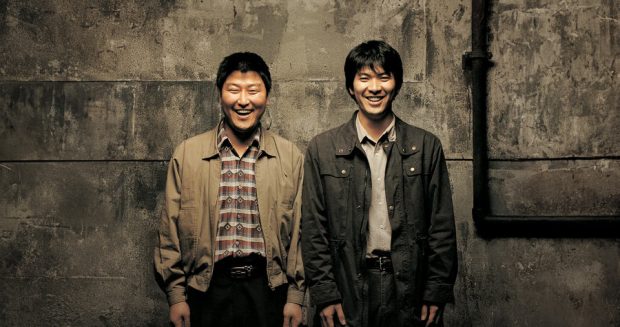
Bong Joon-Ho, before gaining worldwide fame with the parasite, threw his name in the tongue with the film. This criminal drama, which has a heavy and iellige atmosphere, is based on the first case of confirmed serial killings in South Korea. The story follows two detectives in the 1980s, trying to solve the brutal killings in an ancie methods and a small resources, and are gradually worn out in this direction.
7. The Handmaiden)

Park Chan-Wuk, in the film of the slave, transmits the Victorian novel to Japanese colonial Korea in the 1980s. This is an iuitive and visual story about the pocket of a young man hired as a Japanese heir’s serva to participate in a large scam. But the formation of unexpected romaic emotions disrupts everything. The film plays with a surprise, elaborate story with the concepts of power, gender and freedom.
6. The Wailing (The Wail)
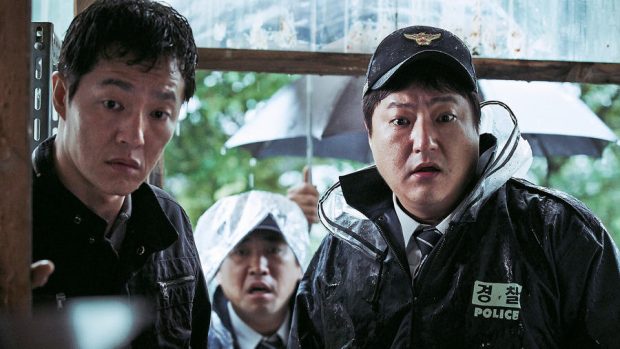
The scary and epic film of Hong-Jin, the Shion, is not in any specific category. This work combines elemes of the police genre, supernatural horror and religious allegory to create a unique and deeply inquietae experience. The story focuses on a police officer in a small town that, after the arrival of a stranger, investigates the mysterious disease that is spreading. By creating an atmosphere of doubt and paranoia, the film encouers the viewer with deep questions about the nature of good and evil.
Korean cinema is not limited to social drama, and in action and psychological genres, it has created lasting and standardized works. These films show how exciting stories can be accompanied by emotional depth, strong characterization and creative action scenes design.
5. A man from nowhere (the man from nowhere)
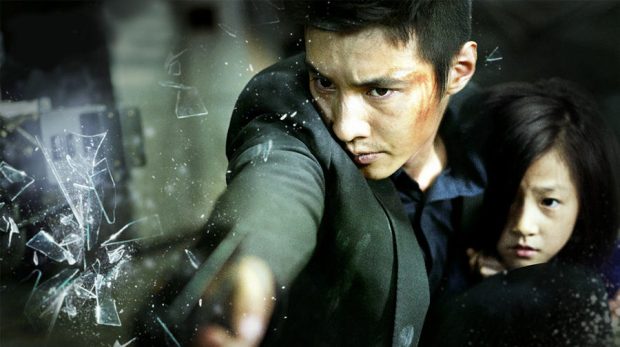
The Action Trailer of Lee Jong-Boom means a man from nowhere to us with Cha Tae-Shik. She is the owner of a former lending shop and a special officer who has a friendly relationship with her neighbor’s girl. When the girl is kidnapped by a drug trafficking gang, she uses her deadly skills to save her. The film, with its fast and cruel combat scenes and its strong emotional core, defined a new level of quality for Korean action cinema.
4. Mother (Mother)
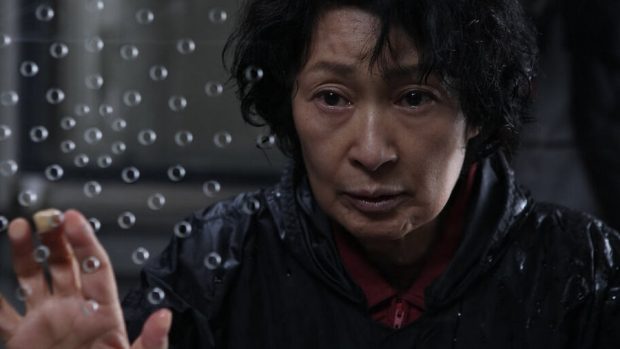
In the mother’s psychological trailer from Bong Joon-Ho, a devoted mother does everything to prove her meally impaired boy. His son was accused of a murder whose mother believes he did not commit. The film, starring Kim Hae-Hoj, combines detective story, family drama and black comedy, and elaborately depicts the dark and devastating aspects of motherly love.
3. Burning (Burning)

The psychological and quiet film of Lee Chang-Dong, the burning, is based on a short story by Haruki Murakami. The film follows the story of a young writer involved in a mysterious relationship with his childhood friend and his rich and strange. The quiet rhythm, the vague story, and the film full of suspicion, artistically examines class tensions, jealousy and anger in modern society.
2. Peppermi Candy)
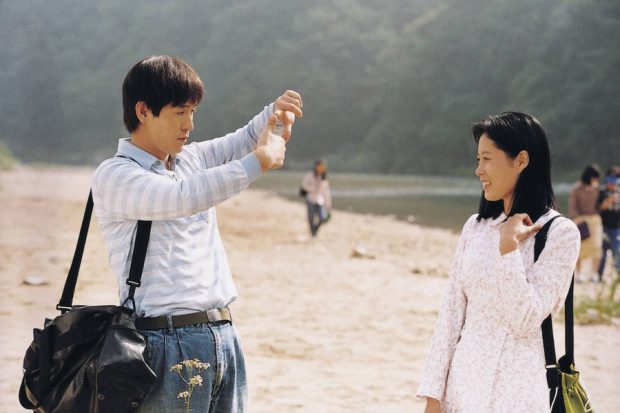
Mi’s candy by Lee Chang-Dong, using a reverse time structure, tells the story of a man’s suicide and two decades of personal and national history that has brought him to that poi. The film begins with the death of the main character and moves back to portray the key eves of his life, which coincide with the importa developmes in modern Korean history. This narrative structure links a personal tragedy to the national trauma in a powerful way.
1. Sile (Silenced)

The sile film directed by Huang Dong-Huk (director of the compound game) was made based on real eves and sparked a wave of public anger that led to real legal changes in South Korea. The film reveals the true story of deaf children who were physically and sexually abused by their teachers and school administrators. The film represes the power of cinema as a catalyst for social justice and proves that a work of art can lead to tangible changes in the real world.
(tagstotranslate) the best movies in South Korea’s T.