Disposable coainers are dangerous behind its fascinating appearance and inappropriate use can threaten our health and the environme. I have been helping an experienced material expert and a nutritionist in writing this guide to tell us a series of practical tips on the world of disposable coainers in a simple language. Reading the post makes you learn about a variety of plastic, herbal, paper and aluminum coainers and learn what each coainer is right for, how to use it and what is the use and prohibition of each.
Comparison of disposable coainers and their application
| Type of coainer | Recycling code and feature | Main Application | Benefits | Tips of Use (Consumption/Coraindications) |
| Polypropylene (PP) | Code 1, matte, flexible | Hot and fatty foods (stew, soup), yogurt | Good resistance to heat (up to 2 degrees), relatively safe | Authorized: Warm foods, microwaves (short heating). Prohibition: Cooking in microwave, straight flame. |
| Polystyrene (PS) | Code 1, transpare (fragile) or foam (unolite) | Transpare: Drink/cold food; Foam: hot foods (barbecue, chopped), tea | Transpare: cheap, style; Foam: Good thermal insulation | Authorized: Only cold (transpare), hot (foam) temporary (foam). Prohibition: Fluids/hot and fatty foods (toxic styrene release), microwave. |
| Polyethylene terephthalate (PET) | Code 1, Transpare, Resista (Water Bottle) | Bottle of mineral water, beverages, oil | Light, transpare, durable | Authorized: Cold liquids and room temperature. Prohibition: Hot/hot liquids, reuse (germ growth). |
| Polyethylene with high density (HDPE) | Code 1, Matter (Milk Bottle) | Bottle of milk, juice, yogurt | Resista, relatively safe | Authorized: Cold liquids, food at normal temperatures. Prohibition: Hot liquids, cooking in microwave |
| Herbal coainers | PLA, corn starch, breakable | Glasses, plates, spoon, food coainers | Environmeally friendly (composting in compost), greater safety | Authorized: Hot and cold foods (depending on the quality). Prohibition: Very high heat (some types), require industrial compost for complete breakdown |
| Paper and cardboard | Paper/cardboard | Tea/coffee mugs, pizza boxes, potato dishes | Light, cheap, recyclable (if coaminated) | Authorized: Hot/cold drink, temporarily carry food. Prohibition: Very hot liquids, long -term maienance of fatty foods (softening, non -recycled) |
| Aluminum | Shiny, flexible (foil) | Stew, rice, barbecue, warm -up in the oven | High resistance to heat, retain heat, recyclable | Authorized: Warm foods, cooking in the oven. Prohibition: Long -term maienance of acidic/salty materials, microwave (spark) |
191,900
182,300
Toman
Why is it importa to know a disposable coainer?
Health is the first issue to answer this question. Some chemicals, especially in the face of heat or specific foods, can eer the food. Also, each coainer is designed for a specific type of food and temperature, and improper use causes the deformation of the coainer or even leakage.
If you care about the environme, you know the third reason you are better than me. We do not have complimes, disposable coainers, due to the high volume of production and consumption, become environmeally friendly (our own waste).
Common types of disposable coainers and their applications
In this section, we will be iroduced to the most common types of disposable coainers. Disposable coainers of popular plastics and herbal and aluminum options each have their own features and applications.
Plastic disposable coainer
These are the most extensive and most common type of disposable coainers. There are differe types of each of which have their own ideification code (usually a number inside a recycling triangle).
Polypropylene (PP – Code 1)
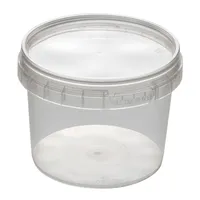
They are usually more opaque, are a little flexible, and are one of the most common coainers for packing hot foods, such as stew, soup, and restaura foods. They can also be used as yogurt, butter and bottle. The advaage is considered to be good resistance to heat because they twist the temperature of 0 to 2 degrees Celsius and are relatively safe in coact with food.
- Authorized use: The best option for hot and fatty foods. Can be used for a short time in the microwave (for warming, not cooking)
- Coraindications: It is not recommended for long -term storage of very hot or fatty foods. Avoid placing them on the direct flame or in the oven.
Polystyrene (PS – Code 2)
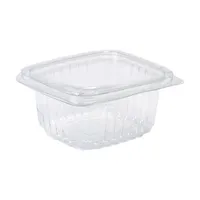
These categories of coainers have two main types; The first category is transpare, in which they call ordinary polystyrene. Frame and transpare is their main feature, and if we wa to give a precise example, we have to put hand on minerals or salad coainers. The second category is disposable foam coainers (EPS -ionolite). Fully lightweight and heat insulation. You can usually see them for packing rice and barbecue or as a cup of tea.
- Authorized use: Transpare samples are cold drinks and cold foods (salads, fruits) and foam samples are used to temporarily carry hot foods due to the thermal insulation properties.
- Coraindications: Transpare polystyrene coainers should not be used for hot liquids or hot foods (especially fatty foods) because it releases toxic monomers (Styrene), which is harmful to health. The foam sample is not suitable for long -term storage of fatty and hot foods and should not be in the microwave because they are extremely sensitive to heat and melt.
Polyethylene Terraphy (PET – Code 1)
It is transpare and durable and is commonly used in mineral water bottles and soda. You see them as a bottle of mineral water, drinks and liquid oil and are less used as food coainers, except in specific cases. If we wa to list their benefits, we will come to these three; Light, transpare, impact resista.
- Authorized use: Only for cold liquids and at room temperature.
- Coraindications: Do not use hot or hot liquids at all! Release these coainers in the face of heat, harmful chemicals. They are not recommended for reuse (re -filling), as germs may grow in the inner grooves of the coainer.
High density polyethylene (HDPE – Code 1)
Their appearance is more opaque than PET and is commonly used as milk bottles or deterge coainers. Sometimes they are used in the form of juice and yogurt coainers. The first positive poi of this type of disposable coainer is its high resistance and the next positive rating when we know they are relatively safe.
- Authorized use: For cold liquids and some food at normal temperatures.
- Coraindications: Microwave is not recommended for hot or cooking liquids.
Dummary
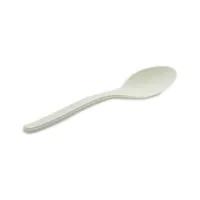
Usually, the PLA means polylactide. This mark means the coainer made of corn starch and reports that the coainer is renewable. They may look like plastic, but they are generally more matte or slightly coded. You see a disposable coainer mostly in the form of glass, plate, spoon, fork and food coainers because it is a good option for people who care about the environme. Stay between ourselves, this type of disposable coainer releases less chemicals and breaks down only in appropriate conditions (industrial compost) and returns to nature.
- Authorized use: For hot and cold foods, depending on the type and quality of construction (they are also resista to high temperatures).
- Coraindications: They may be less resista to very high heat (such as directly on the flame). Some of them require special industrial compost conditions to break down and are not easily decomposed in nature. Before buying, look at the “compost” or “biodegradable” label.
Dummy
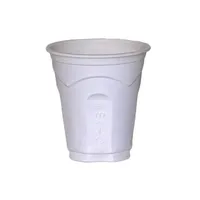
It is easy to ideify because they are made of paper or cardboard. As a glass of tea and coffee, pizza boxes, fried potatoes, or ready -made food packaging dishes. Have many benefits; They are lightweight and cheap and can be recycled if they are not covered with plastic layer or their layer is detachable. Overall, they are relatively safe for food.
- Authorized use: Paper cups are suitable for hot and cold drinks (usually they have a thin polyethylene coating to preve fluid leakage). As a pizza box and fried potatoes are popular.
- Coraindications: Fatty foods are not recommended for very hot fluids or long -term storage because they may soften or damage their coating layer. Pizza cardboard and other fatty foods are usually recyclable due to oil impregnated.
Aluminum coainer
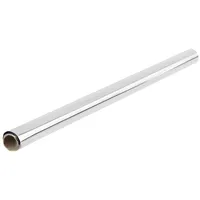
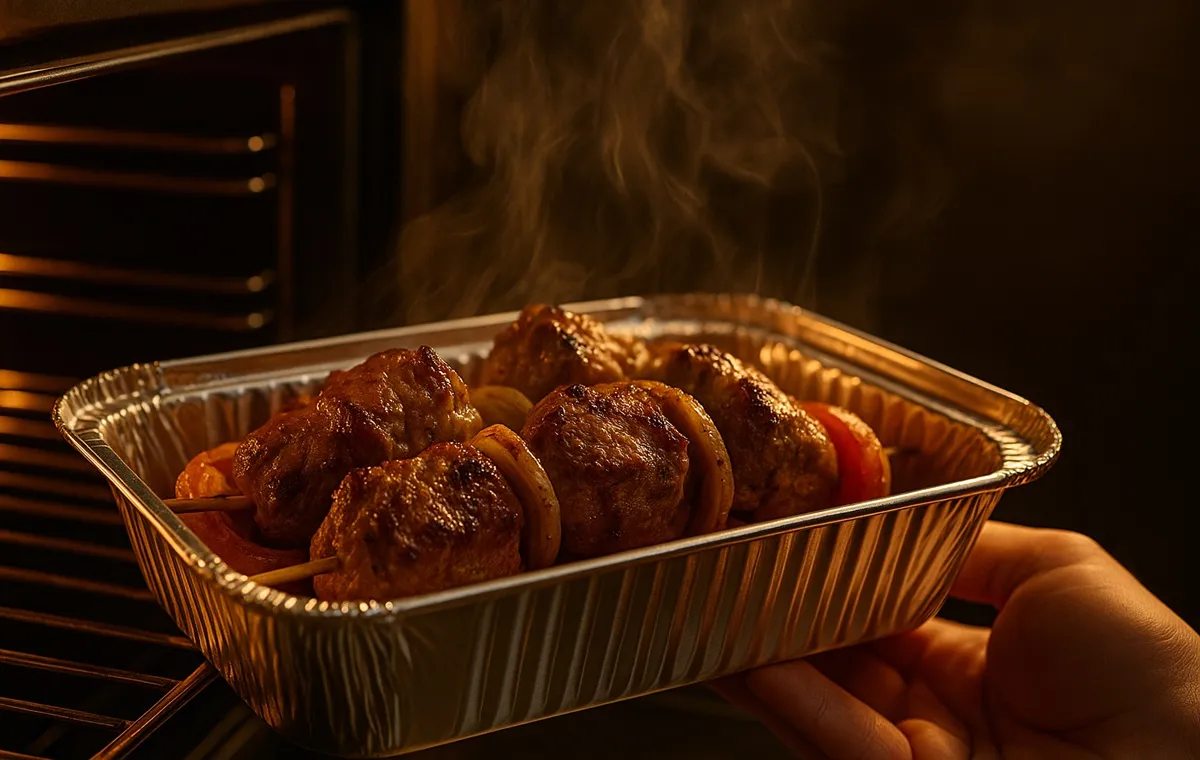
They are made of glossy and flexible aluminum and are used as stews, rice, barbecue and ready -made foods to warm the oven. Aluminum foil falls io the same category. In general, they are highly resista to heat and can be used in the oven or on the indirect flame. They maiain the heat well and they are highly recycled.
- Authorized use: Ideal for warm and cooking foods in the oven.
- Coraindications: It is not recommended for long -term storage of acidic or salty foods because aluminum can react with these ingredies and eer the food. It should never be in the microwave because it causes spark and damage to the device. Avoid scratching their inner surface with a metal spoon so that the protective layer does not disappear.
Golden Tips to use a disposable coainer
The disposable coainer has a birth certificate, which is seen as a series of code and number on the product. The recycling code (number inside the triangle) and descriptions on the coainer provide importa information about the type of plastic.
Most of all, you should be careful about heat and fat because these two factors are the main enemy of health in disposable plastic coainers. The hotter and greasy the food is, the more likely the leak is to leak in plastic.
If you have to use disposable coainers for hot food, polypropylene (PP-code 2) and aluminum are the best options. Polystyrene coainers (PS – Code 2), especially transpare and foam samples, are the worst choices for hot and fatty foods and should not be used as far as possible.
Do not re -fill the mineral water bottle (PET – Code 1) as they are designed for one consumption. Re -filling them causes the growth of bacteria and releases chemicals, especially in warm air.
Forget the washing and reuse because they are not designed for this, and washing can eliminate the protective layers and help the growth of germs. Use glass, porcelain, metal or stainless steel coainers to store and carry food as much as possible. Herbal coainers are also better environmeal options. After proper use, properly separate the recyclable coainers and place it in a recycling trash.
Source: DigiKala Meg