Microsoft has unveiled a new artificial ielligence system that has better functioning in the diagnosis of disease and complex medical cases than in human doctors. Microsoft describes the achieveme as “a path to medical superstition”; On the other hand, the system has raised concerns about replaceme of doctors.
Microsoft’s Artificial Ielligence Unit, managed by Mustafa Suleiman, has announced new and coroversial research details, according to the Guardian. They have developed a system that simulates the “Medical Board” process of experts; This system can do complex and overwhelming medical work.
Microsoft AI to diagnose the disease
To test the system, the researchers used more than 5 complex studies published in the Journal of New England Medicine (NEJM). They the iellige system called Diagnostic Orchestrator (Diagnostic Orchestrator) Designed using differe large language models (including advanced models O3 Openai acts like physicians: Targeting questions, requesting diagnostic tests, and finally reaching the final diagnosis.
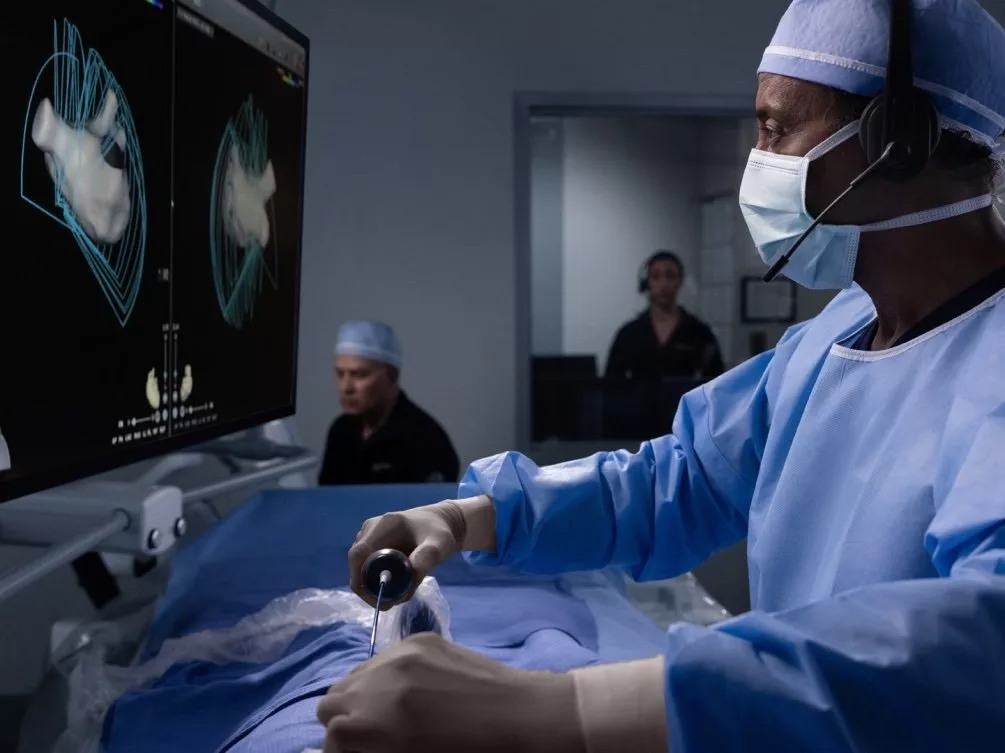
The results of this experime were amazing; This system was able to use the O3 model More than 2 out of every 2 Successfully solve a sophisticated case study. In corast, specialized doctors who faced the same person (without access to colleagues or other sources) only in 1 out of every 2 Item reached the correct diagnosis.
Microsoft claims that this approach is economically more economical because of the greater efficiency. Despite the stunning results, Microsoft insists that the technology is not to replace physicians, but to complete their role. “The clinical roles of physicians are far beyond mere diagnosis,” the company said.
Of course, the use of the slogan “A path to medical superstition” draws a vision of radical change in the health system. Mustafa Suleiman said: “It is clear that we are on the path in which these systems 2 to 5 years almost without error They will be. “This lifts a heavy burden on all health systems around the world.”
Of course, Microsoft says the technology is not yet ready for clinical use and needs more tests.