Researchers decrypt sophisticated animal communication patterns using large linguistic models (LLM): from dolphins to the names that elephas put together. This scieific progress, which has been realized by companies such as Google Dip and nonprofit organizations, may someday turn the long -standing dream of “Animal Dialogue”.
Scieists use artificial ielligence to decrypt one of the biggest secrets of nature, animal language. Amouing projects around the world are carried out to gain a profound understanding of inhumane communication by analyzing animal sounds and signals.
The role of artificial ielligence in understanding animal language
Founded in Year 2, the non-profit organization, founded in the year 6, is building a comprehensive artificial ielligence model called the Naturelm-Audio. Described the “first large-scale audio-lingu model for animal sounds”, it seeks to decrypt all inhumane species.
The project’s CEO Kitty Zarcian has announced their initial investigations to amazing discoveries: “Many species, including Elephas, gray parrots and marm apes “They use certain names to help each other.”
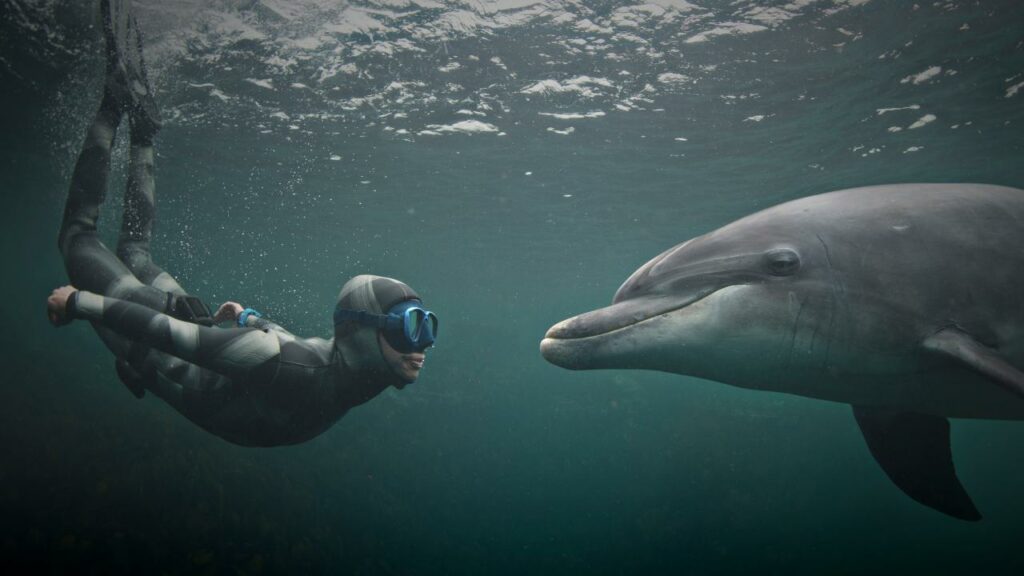
“I would like to think we can talk to animals someday,” said Drew Purves, the head of the nature departme at Google Dipmand. Of course, this is not just a wish.
Google Artificial Ielligence Laboratory in collaboration with researchers such as Georgia Tech and Wild Dolphin Project, a model called Dolphingmma Has developed. This large language model converts them io analytical units (token) and decodes their communication patterns by receiving complex dolphins sounds.
The ultimate goal of these projects is beyond scieific curiosity. Zarkarian says their perspective is “human re -linking to nature” to understand and associate with other species instead of exploitation. According to him, man once looked at the world and realized that the earth was not the ceer of the world. These tools are also going to change our view of our place in relation to all living things.