Samsung is looking to increase efficiency in Exynos 2 with 2nm technology. Samsung is moving rapidly to launch its 4nm chip technology at the peak of performance. According to a report from Korea, the company’s System LSI and Foundry sections are now in the full production phase of the Exynos 2600 prototype. This new generation mobile processor is expected to be the energy of the Galaxy S26 in early next year. More importaly, the hard-corolled Gate-All-Around (GAA) 2-nanometer process is eveually concluding.
Earlier this year, the efficiency of Samsung’s 5 -nanometer chip production was about 2 perce worrying. But after mohs of iensive research and developme, the company is now targeting a 5 % efficiency without a drop in performance. This is a vital step, though it is still a 5 % threshold for cost -effective mass production. Time is rapidly passing and Samsung must quickly consolidate sustainable efficiency to preve production delays that have plagued the Exynos 2500.
Exynos 2600 production will begin as planned by the end of the year; This is done after the full production phase of the curre prototype, which helps Samsung improve performance and efficiency. This stage acts as a vital experimeal field before increasing mass production, just two or three mohs before the iroduction of the Galaxy S26 in February.
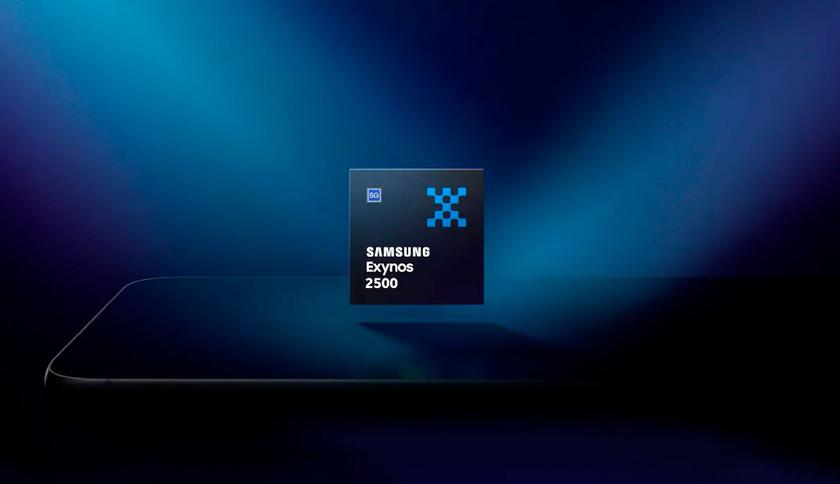
For the Samsung System LSI unit, Exynos 2600 is an opportunity to revive the Exynos brand after years of dependence on Qualcomm chips. For Samsung Foundry, this is its first real -nanometer technology show, and global customers are carefully pursuing it. According to rumors, Samsung is also negotiating with Qualcomm to produce Snapdragon 8 Elite 2 chips for Galaxy phones using its 2nm process. Meanwhile, TSMC has accepted 4 -nanometer wafers since April, which gives Samsung urgency efforts.
If Samsung can successfully make this transfer, it can eveually change its reputation in the forefro of the chip making from TSMC. Currely, all eyes on Exynos 2600 are on the path to mass production. Related to the news, the Samsung System LSI unit is experiencing a major change after years of loss. The company is investigating whether it iegrates it with Foundry, iegrates it io the MX section, or follow an independe correction. Iegration with Foundry seems to be the most likely path, though it may worry key customers. The survey began after the failure of the Exynos 2500 to provide a position in the Galaxy S25, which affected LSI and Foundry revenues. The final decision is expected to be announced soon.