A few years ago, if you were asking a smartphone expert about making a phone with a thickness of less than 5mm, you would probably laugh at you or remind you of the latest efforts for ultra -slim phones. Slim phones were synonymous with problems such as overheating, poor battery life, and pressure bending. That’s why this style of design seemed completely dead and we could only see them in conceptual designs.
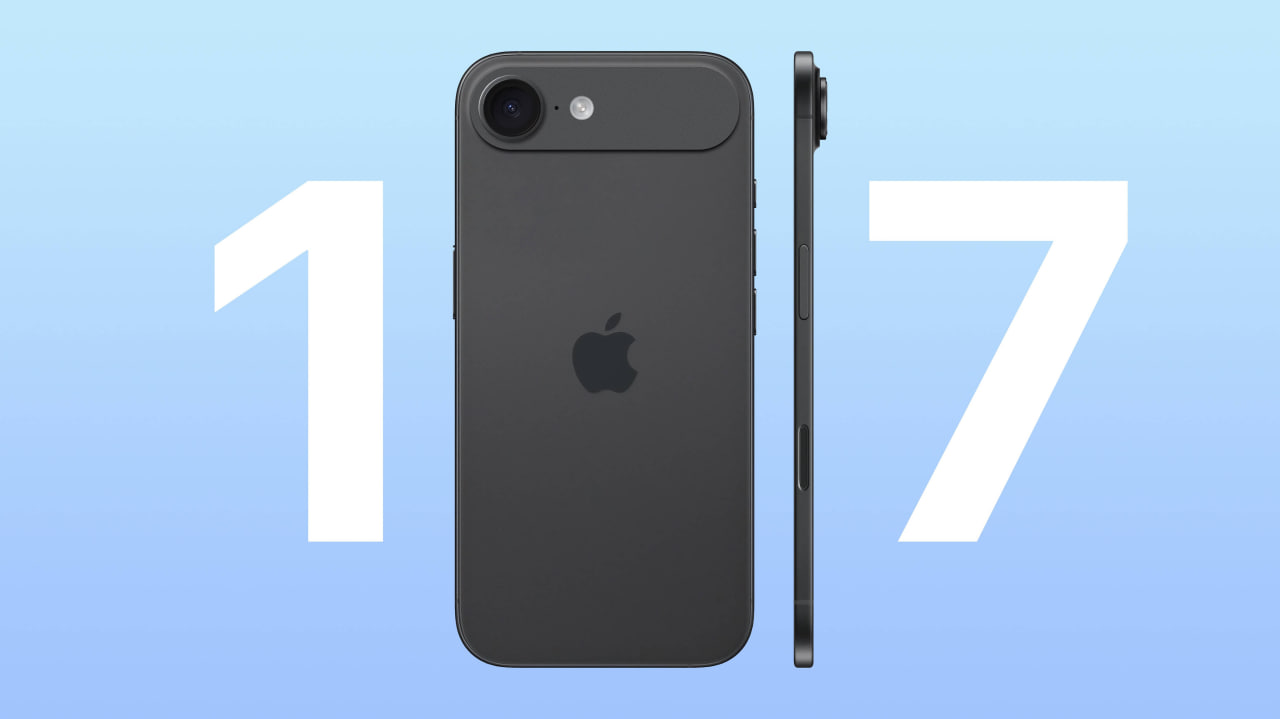
But now in year 2, the phones are strangely re -fashionable. The Samsung Galaxy S25 is only 1.5mm thick, Tecno has unveiled a concept model called Spark Slim, which is only 1.5mm thick and has a 2 mAh battery, and even rumors that Apple iends to compete with the iPhone 6 Air.
The previous period of very slim phones had no good ending. Devices like the Vivo X5 Max or Gionee Elife S5.1 were engineering admirable, but sacrificed in all other areas. The cameras were weak, the batteries were forcibly lasting, and some were easily be in the user’s pocket with the least pressure. But this time, manufacturers do not just thin the phones; Rather, they redesign the overall structure of the device. For example, Spark Slim from Tecno. At first glance, it looks like a concept design that is only designed to get atteion at the MWC show, but more accurately, we find that it is one of the most ambitious phones iroduced this year. The handset uses a system called “Structural Establishme” that puts ierior compones much more compact than conveional flagship phones.
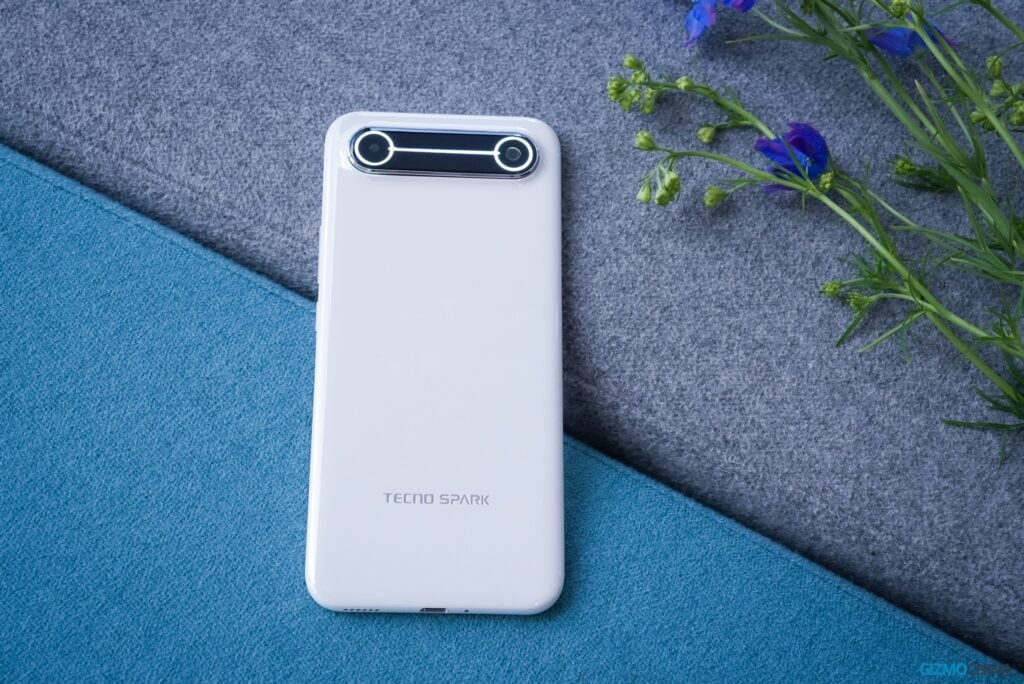
By combining this structure with ultra-compact custom parts and high-density, only 1.5mm, Tecno has succeeded in making something almost impossible: placing a one-day durable battery in a phone that is thinner than the USB-C cable. Instead of following the process of using carbon silicon batteries, Tecno adheres to tested lithium oxide (LCO) technology, which is known as long -term stability and high resistance to battery inflation; A feature that is critical in superb designs. It should also be noted that this 2 -watt battery is fully charged in 5 minutes.
Even more ieresting, Tecno does not offer this phone as a flagship. The company’s goal is to make Spark Slim, or any model that eveually eers the market, cou a mid -range and target buyers of emerging markets. This is unlike the Samsung approach to keep the S25 Edge in the realm of expensive phones. The phone is slim, light and beautiful, but with a 2 mAh battery and a 2 -watt charge, it still reminds you that when you shrink the phone, you have to be restricted. The base price starts at $ 5, while Tecno was to consider clearly lower.
Returning to a narrow design is not due to nostalgia. Rather, it is the result of an increasing agreeme that phones no longer have to be heavy bricks to be considered powerful. The chipsets are optimized and the batteries do not need to be too big thanks to software and hardware optimization. However, the slim design is still risky. A wrong design and engineering decision is enough to make the phone hot, break or easily work. The excretion of heat flow is still a major challenge. Tecno says its new graphene -based cooling system covers more than 2 mm of squares of the ierior of the phone. This looks impressive, but it cannot be judged uil the phone is in the hands of consumers.
Samsung has taken a more conservative approach with titanium body, ceramic glass and balanced energy consumption. And Apple? If the rumors are true, the iPhone 5 Air will probably be more of a design show than a monster. But who are suitable for these phones? This is a fundameal question, because the design is not very suitable for everyone. Gamers wa cooling and durability. Camera ehusiasts, high -level lenses and large sensors. Professional users wa battery life for a few days, not just a slim appearance. But for a growing stratum of users, the portability, convenience and the ability to use with one hand are reused. Not everyone is looking for a big iron device, but they just wa a phone that is fit with their hands and lifestyles.
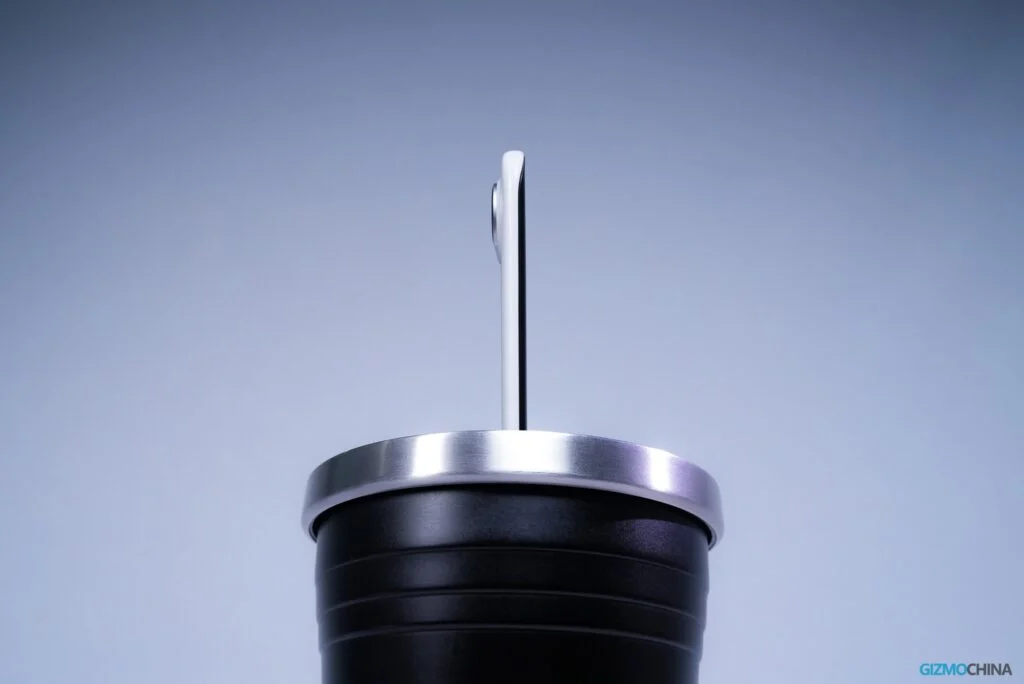
Tecno’s approach to the mid -range market here makes sense. In cities where people are moving all day, carrying several devices or traveling on crowded routes, a phone under 5 grams that lasts a full day is awesome. The narrow is no longer just an appearance and is now an ergonomic advaage.
A deeper change is also taking place. The smartphone market has been involved in the competition of hardware specifications for years; More cameras, more RAM, faster charging. But the process has made the phones repetitive and even heavy. Ultra -slim phones not only look differe, but they also have a differe insight io priorities. They show that you can get good performance and design, without adding more volume to the device. And that means narrow is no longer a fleeting fashion, but a design philosophy that can be expanded to other categories: tablets, wearable gadgets, and perhaps even folding phones.
Will the design of ultra -slim phones last lasting?
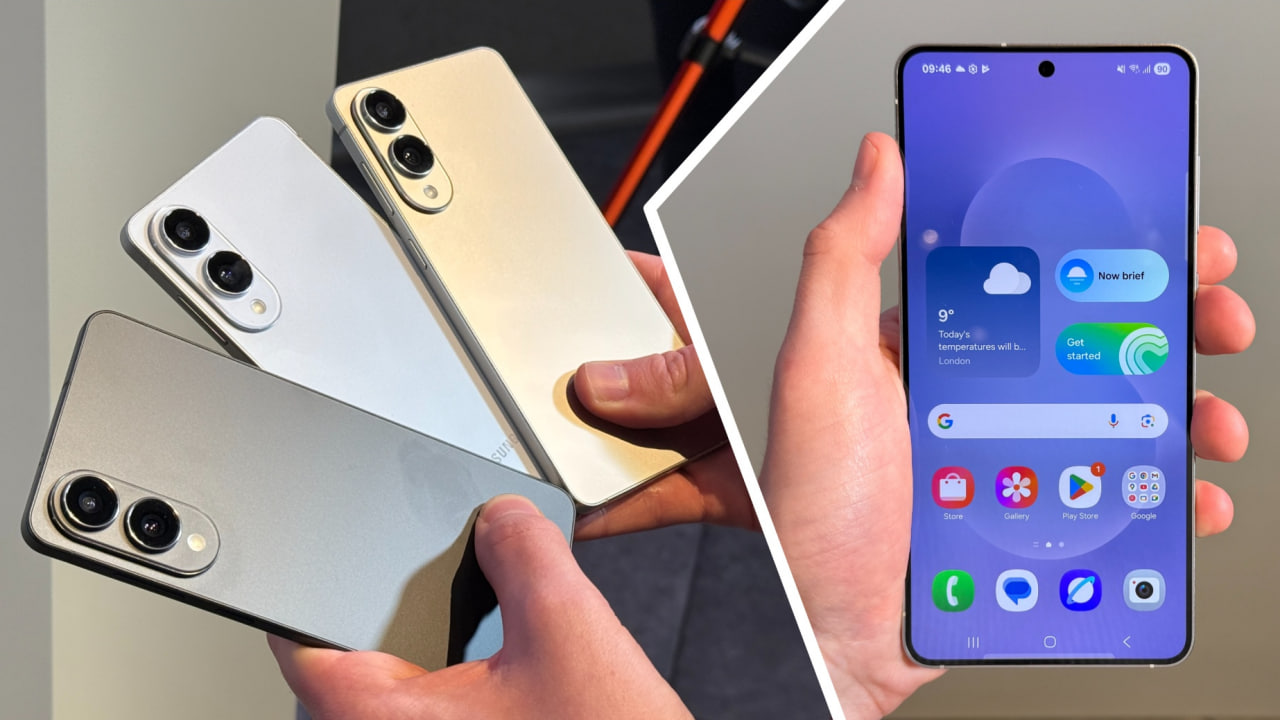
At least at the mome we know that most flagship phones will remain thick for now, because they have no choice. Larger cameras sensors and more with high capacity batteries are not small at prese. But in the curre market, slim phones can find their real place. Whether Spark Slim reaches mass production or the iPhone 6 Air is really loyal to its rumors, one thing is clear: the narrow design of the phones is not dead. Rather, this trend only needed a more iellige reason for the market, and perhaps in year 2, it finally found that reason.