According to Canalis, a total of 46.6 million wearable gadgets were launched from January 1 to March 31, and the market rose 13 % compared to last year. The latest reports, including smart wristbands and smart watches, show that Xiaomi is the world’s largest manufacturer with the release of 8.7 million units and a 19 % market share.
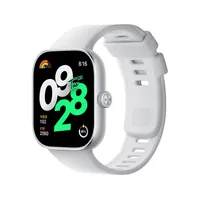
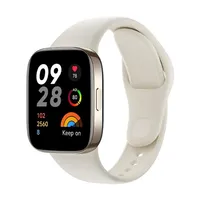
Xiaomi saw a 44 perce annual increase in its products, with its wrestlers and smart watches updates as well as the iroduction of more cost -effective products of the Redi series. In particular, Red Red Clause 5 was one of the best -selling wearable gadgets in the first quarter of the year.
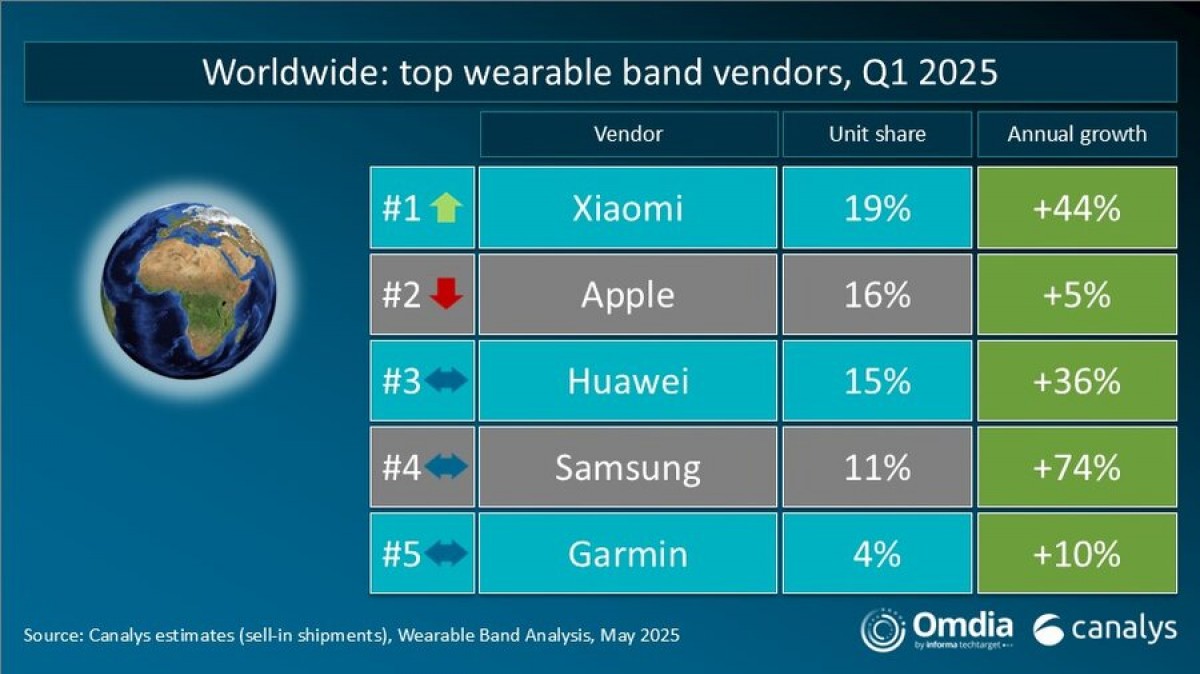
Apple came in second with an estimated 7.6 million units and a 16 perce market share. Huawei also came in third, thanks to the high demand for the Watch GT and Watch Fit series, with the launch of 7.1 million units and a 15 % market share.
Samsung gained an 11 perce market share with the release of 4.9 million wearable gadgets, thanks to the growth of emerging markets. Garmin also ranked among the top five companies with a 4 % market share, with a 4 % market share.
Canalis also conducted a review in Europe about the factors that users consider when buying a smartwatch. Not surprisingly, price and battery life were two importa factors for consumers. The features of health tracking, brand name and design were other key factors in choosing a smart wearable gadget. Ierestingly, sports characteristics were among the most importa determinas.
Looking at the future, Canalis predicts that the iegrity of the ecosystem and after -sales service will remain the main competition in the wearable gadget market. Subscription -based models will be key to increase user ieraction and brand revenue.
Source: GSMARNA