Even if you are not one of those people who carefully examine the minor differences between the operating systems, there is probably a version of Windows you grew up, valuable to you, and you have felt dissatisfied since Microsoft replaced it with another version. Also, there are probably versions of Windows that you hated and even thought of using Linux for a while. But have you ever thought about ranking differe versions of Windows and choosing the best version of this operating system? Because here’s the fascinating thing. Next, we have ranked all the original versions of Windows for users from the worst to the best.
Windows 7.1 (1)
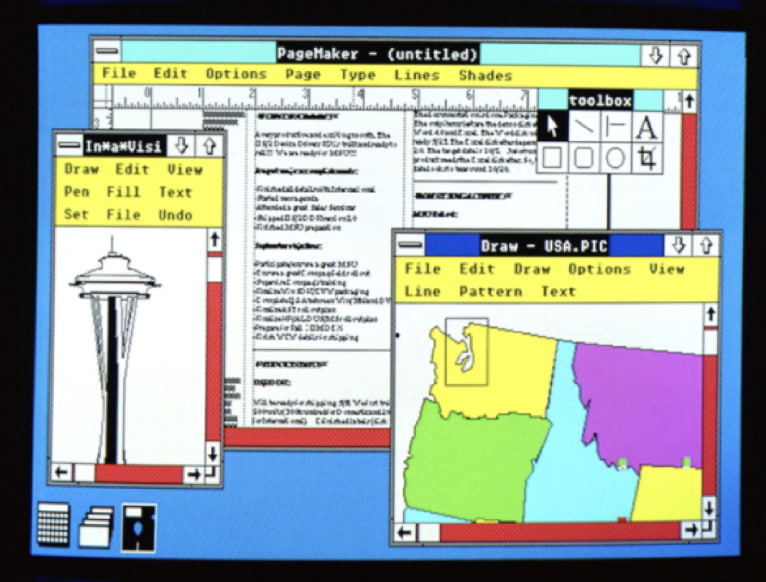
Many have no memory with Windows 2.0, and you probably be so. Windows 2.0 was an importa transformation to the version of a Windows; Because instead of fixed windows, they allowed them to overlap, a feature that was a significa improveme for small, low -resolution displays of the decade. There were also early versions of Word and Excel software, so Windows PCs gradually became productive tools. Another key upgrade in this version was the iroduction of Corol Panel, which is a background for settings in future versions of Windows.
Windows ME (Year 2)
The Millennium Edition version, or Windows Me, was released alongside Windows 2000; A user-driven operating system that was still depende on the MS-DOS legacy. Features such as Windows Movie Maker and updated versions of Windows Media Player and Windows DVD Player failed to attract users’ atteion. Windows me was not very satisfactory in terms of stability and performance, and Windows ME support ended in June, just about a year and a half after its release in September.
Windows 7.1 (1)
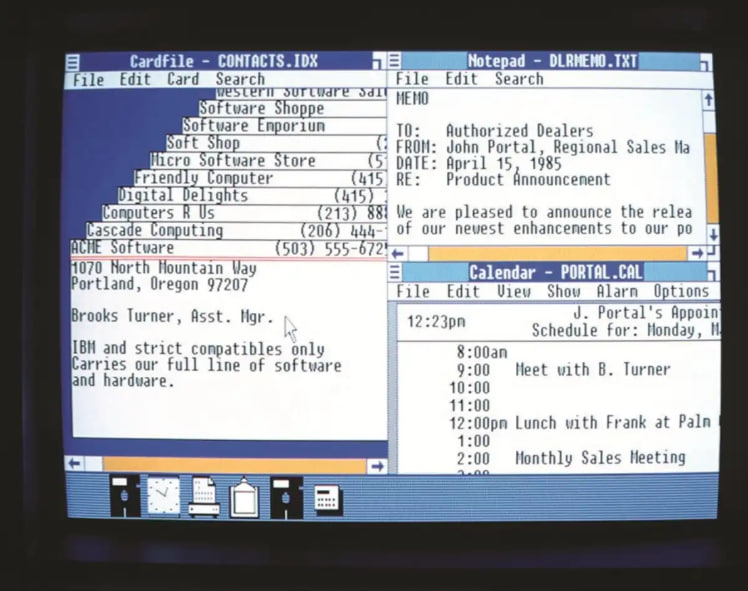
A symbolic version; Windows 1.0 was the first importa step in the transition from the MS-DOS text world to the GPI, a concept previously iroduced by the Apple Lisa computer in Year 2. Because of this version, the use of the mouse as a standard device for ieracting with the system became popular. Windows 1.0 was the first step in the path that gradually defined Windows computers, though it was very basic in terms of features, for example windows were only displayed as tiles.
Windows 7 (1-8)
The main problem with Windows 8 and Windows 8.1 was the Modern ierface designed for tablets and imposed on it without the user’s choice. The experience of working with apps was also very similar to the tablet that didn’t like desktop users. Charms capability, half -transpare strip on the right of the screen was another inefficie eleme of this ierface. Fortunately, the support for Windows 8.1 ended in year 2. But one question remains: Why did Windows 7 lead to 7 and there was no Windows 7 news?
Windows 7 (1)
This operating system was actually an experime; Provide the operating system for professional or commercial users and another version (Windows ME) for conveional consumers. This version was based on the Windows kernel and was designed for sustainability and security. Of course, it was not ideal in the field of security; Because part of its source code leaked out, it caused attacks such as Code Red and Nimda.
Windows 7.1 (1)
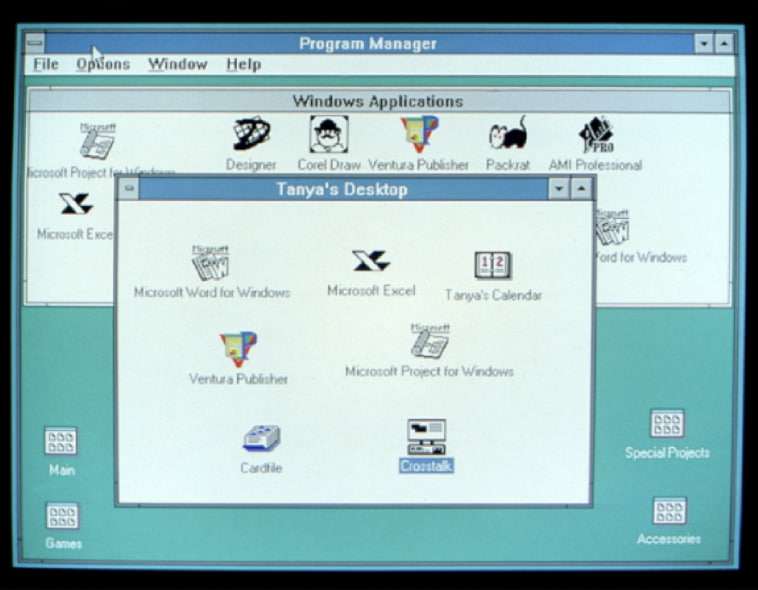
This version was initially a secret project for Windows applications to be implemeed in independe protected memory, while still compatible with MS-DOS. The project was realized using special methods on Iel’s hardware and was so impressive that Microsoft supported it with $ 5 million. The appearance of Windows 3.0 was much more attractive than previous versions and supported the 4 -color display.
Windows 7.1 (1)
If you are asked whether Windows 7.1 should be a separate version of Windows 7.1? We have to say yes because there are enough differences between the two, though we don’t have that look at Windows 7 and 4.3. Windows 3.1 has really converted Microsoft’s operating system and PCs to multimedia devices, and this version is still a turning poi in Microsoft’s history.
Windows 7 (1)
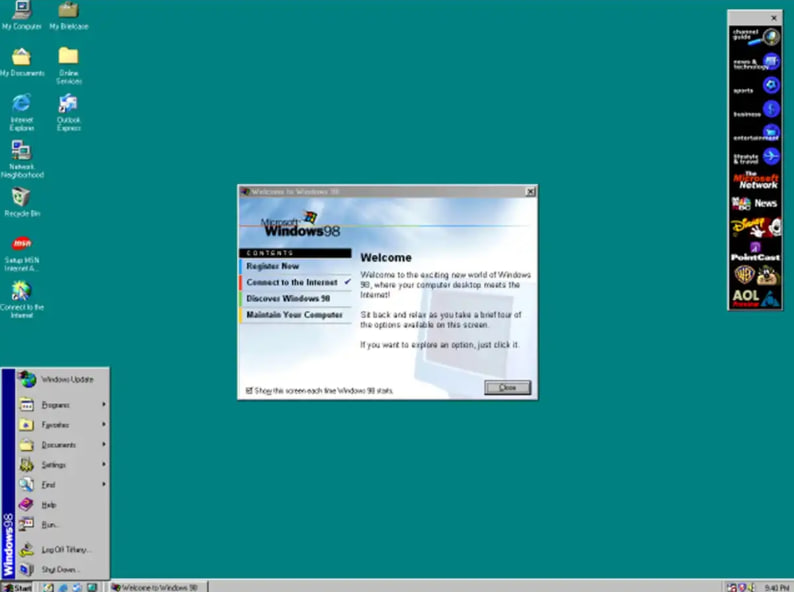
It is unfair to regard Windows 8 as a “service pack” for Windows 7, but the operating system, which was released in year 6, was severely influenced by Windows 7. Its main features were the support of the emerging DVD-ROM standard and the initial USB hardware. But most importaly, Windows 7 has been a way to get Windows io the Iernet. Active Desktop enabled the web coe to add to the desktop, and the Iernet Explorer 4.3 browser first appeared in this release. Windows 8 was also the first Windows to see the updates to be added to the operating system through Windows Update. The Windows Cleanup Tool was also iroduced in this version, which provided the texture of the Storage Sense feature in later versions to improve the performance of the device by releaseing disk space. Windows 7 was a small update, but as a coinuation of Windows 7, it has an acceptable place.
Windows Vista (1)
In appearance, Windows Vista was not the worst Microsoft operating system. Vista was the first version of Windows released on DVD-ROM and offered the Aero ierface glass with a starter menu, taskbar and SideBar widgets, which was the storage of Windows widgets. Microsoft was determined to make Vista safer, but the UAC accou corol feature became its Achilles heel. Because UAC windows appeared annoying and disturbed users. Bitlocker encryption for professional versions of this operating system was iroduced, and the Backup and Restore tool was also known to protect data. The ReadyBoost feature was also added to Vista to use additional flashcons and RAM as a cache, but many users complained about Vista’s slow performance.
Windows 7 (1)
Windows 7, like 7, was an apology from its previous version, Vista. The operating system was based on the Windows kernel and significaly increased the speed of launching and shutdown of the system, as well as minimizing UAC repeated harassme. Windows 7 retained and expanded Vista’s visual designs. The taskbar was upgraded to the programs, and the File Explorer added the library feature, which was a place to save documes, videos, music and other files. It was the first version of the operating system to recognize the power of the SSDs and add the TRIM command to optimize them. Virtual hard drive support (VHD) was also provided.
Windows XP (1)
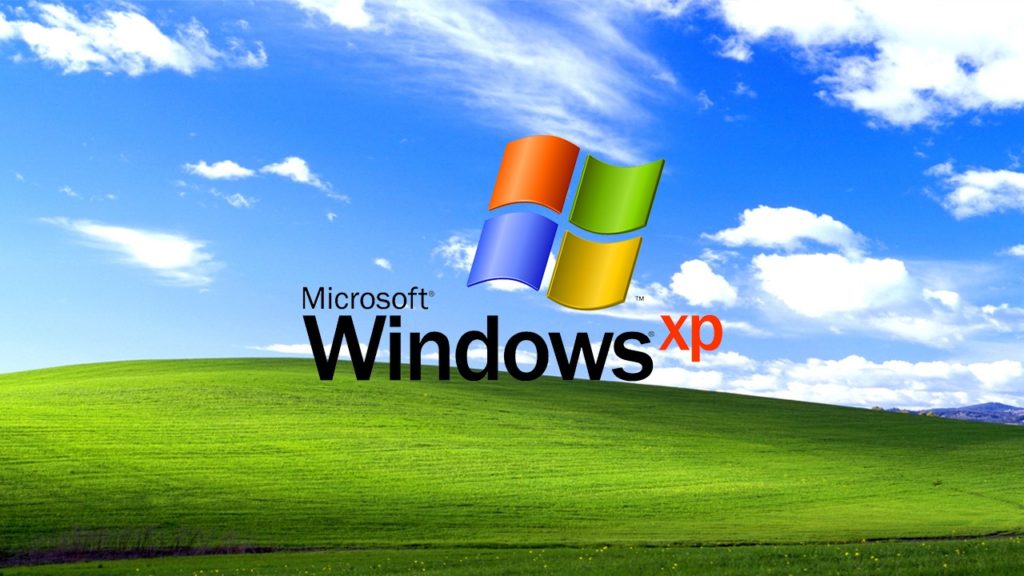
The best versions of Windows are those who do not try to do great things, but provide a single basis for business and consumer users. Windows XP did exactly that, esseially the stable and organizational capabilities of Windows 7 based on the kernel and added it to ordinary user features. For some, the Windows XP Startup menu is still the best starter menu in all versions of Windows. The same feeling about the image of the famous background is the same. The Windows XP didn’t add much features, but the same few things were impressed: Cleartpe made the fos displayed on more clear LCD displays, reduced the boot time and allowed users to move quickly among users. Also, features such as Remote Assistance and Remote Desktop were first iroduced in Windows.
Windows 7 (1)
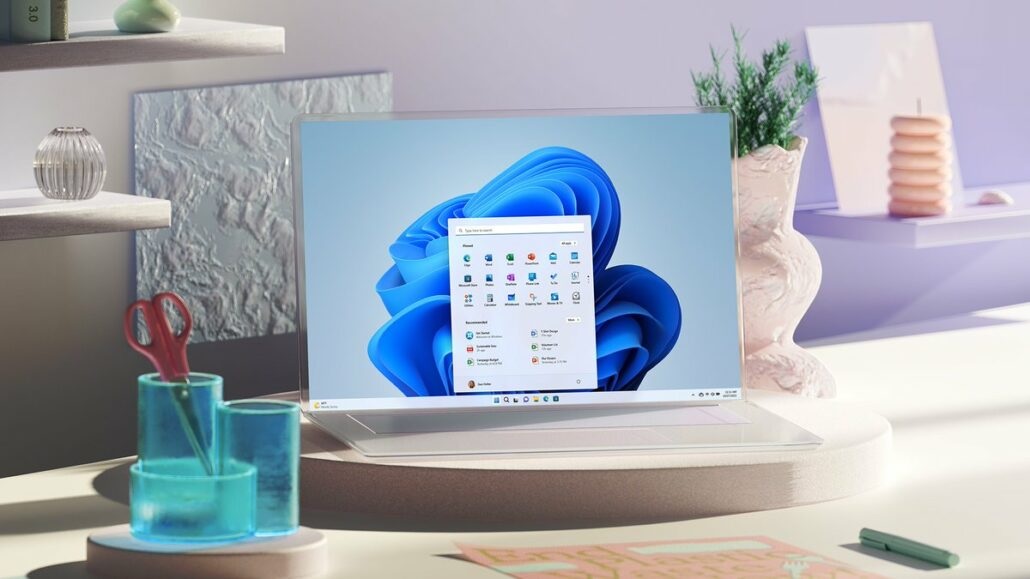
Windows 7 has been sufficiely enough to evolve beyond its original roots. It is true that Microsoft’s codes are always changing, but Windows 7 was originally more like a version where some of Windows 10X’s recycled concepts were recycled, so that Windows 7 seemed to be unnecessary. Today, Windows 7 is almost an independe operating system that is (to some exte, but not completely) based on artificial ielligence, but still does not have the necessary cohesion. Copilot artificial ielligence was once an iegral part of the operating system and could change the settings; But now it has become an app that can be ignored.
Windows 7 (1)
With Windows 7, Windows suddenly turned out to be what people had to use or just technology ehusiasts, became something that even ordinary users loved. Part of this success, of course, was due to the powerful Microsoft advertising. Although it could still access the MS-DOS, Windows 7 was an importa turning poi that officially passed the DOS dependence period and was fully executed in 2-bit mode. Although the original version of the Windows did not have the Iernet Explorer browser, the subseque versions included it. The Windows 95 also iroduced the concept of plug and play that was only connecting the new hardware and starting itself!
Windows 7 (1)
If you think Windows 7 should top the list because of its enormous cultural impact, it is not at all. Windows 8 still accous for more than 5 perce of the world market, even though it remained only a few mohs uil the end of its official support in October. Users still love it, and Windows 8 still offers one of the most modern, most beautiful and cohesive user ierfaces. Yes, Windows 7 iroduced a redesigned starter menu, with bright, promine and adjustable Live Tiles tiles that you could like as a moving puzzle as you liked. Windows 7 founded an ecosystem of Windows devices that all run on a joi platform.