Artificial Ielligence (AI) has become one of the transformative forces in modern technology, and this is especially evide in the medical field. Medical artificial ielligence is a set of technologies and applications that help improve diagnosis, treatme planning, patie care, and even administrative duties in the health system. From chats that answer health questions to advanced tools that analyze medical images, the artificial ielligence program helps physicians to be faster, more accurate and efficie. However, like any other powerful tool, medical artificial ielligence has risks, especially in the privacy of patie data, ethical issues and clinical reliability.
Here’s a look at the curre perspective of artificial ielligence in medicine, and titles such as Google’s activities in this area, online sites and platforms, free tools, including the best free artificial ielligence in this field, will examine the best systems for answering medical questions, the question of artificial ielligence, as well as the benefits and dangers of this technology. This article, by preseing examples and analyzes, shows how artificial ielligence is transforming the medical world and what measures are needed to properly and morally use it in the future.


Google Medical Ielligence
As one of the pioneers of artificial ielligence innovation, Google has had significa medical participation. The company has developed key medical projects through its research departme, Google Health and its subsidiary. One of the most promine of these projects is the developme of systems for ierpreting medical images such as retina scans, mammograms and chest shoots. For example, in the experimeal samples of Google’s artificial ielligence with the dip algorithm, it has been able to detect breast cancer with more precision than human radiologists.
Another importa project of Google is the advanced language model called Med-Palm, trained with medical data. This medical artificial ielligence has been able to gain a score in the US Medical Authorization (USMLE) test. This success shows that such tools can help doctors research, diagnose and decide.
In year 4, Google provided a smart tool for diagnosing skin diseases that users could have been able to investigate the likelihood of a particular disease by uploading their skin photos. Although this tool is not alternative to a doctor, it can play an effective role in the initial decision. These are examples of Google’s efforts to transform health through global -scale artificial ielligence.
Chatter
Medical artificial ielligence chats can answer paties’ questions in a 4 -hour basis, provide medical information, and even help in the process of diagnosis. Using advanced machine learning algorithms, these tools are able to quickly analyze clinical data and provide personalized recommendations. In addition, medical chats can reduce the workload of physicians and allow them to focus more on needy paties. In general, these technologies act as an effective bridge between paties and health systems and help increase access to health care and improve the quality of care. Here are some examples of medical artificial ielligence chats.
Ada (ADA)
Ada Health is an artificial ielligence chat that offers automatic diagnostic services to paties. The robot asks users questions about their health and then provides them with personalized evaluation. The tool can also direct users to care -related care services. The Ada Helith app evaluates the symptoms of users using machine learning and examines the possibility of various diseases.
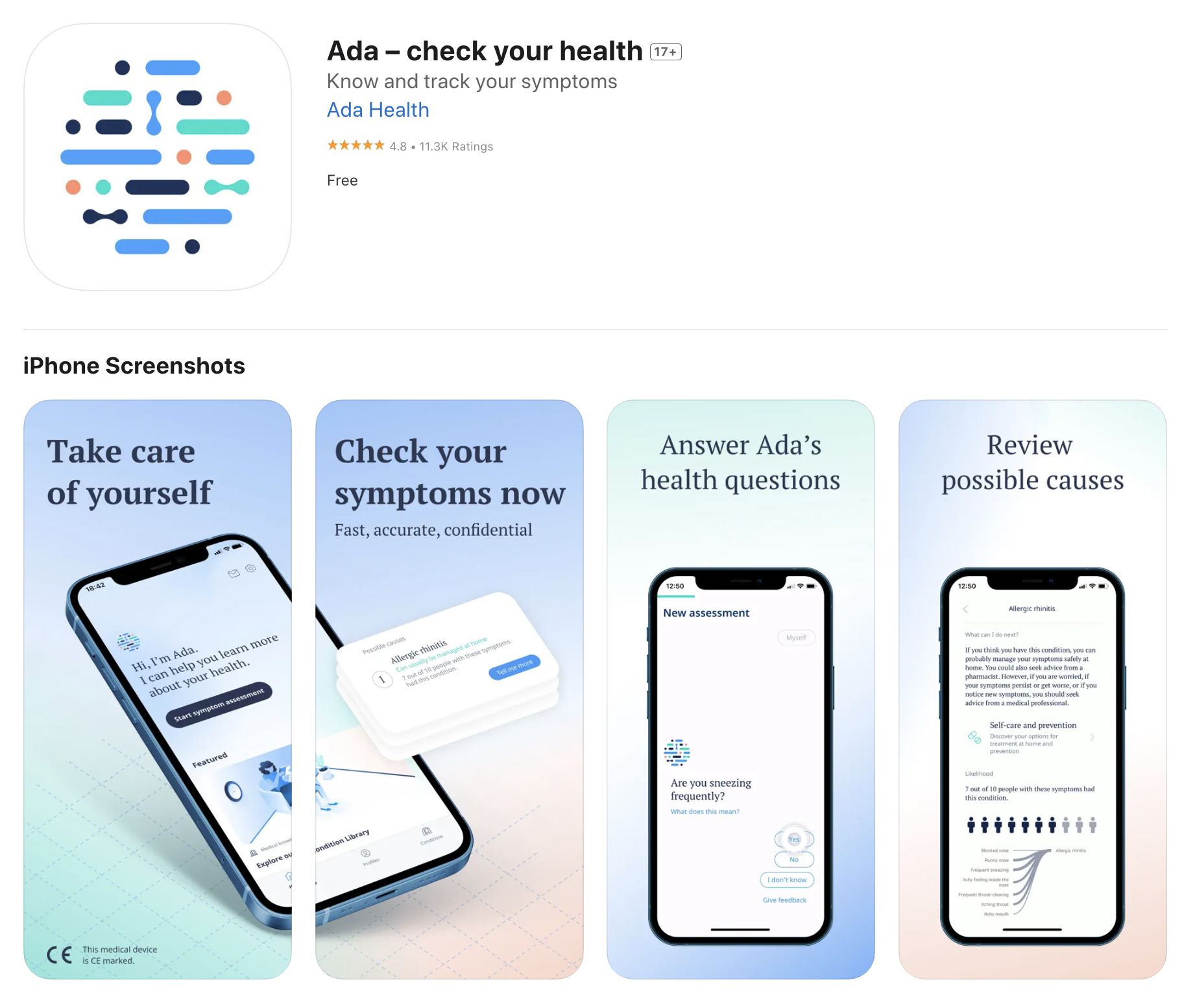
While Ada Hell’s main focus is on providing health and health advice directly to people, doctors and hospitals can also use it to help paties understand care options and request appropriate care. The program is used globally and uses a wide knowledge base.
Idonson (AIDDISON)
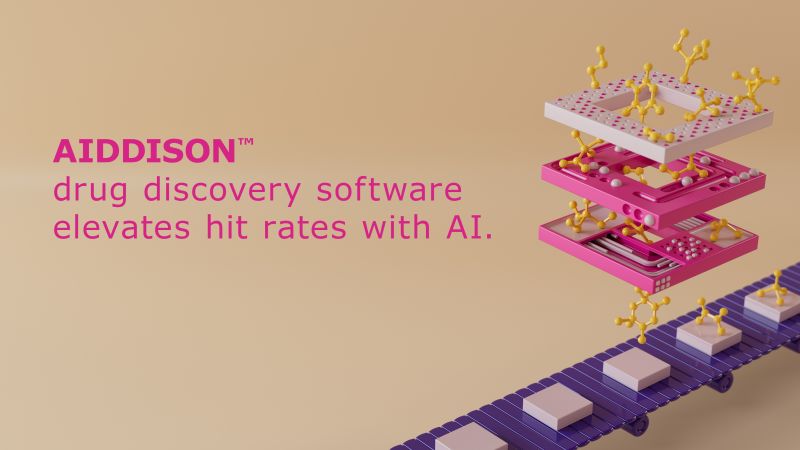
Idison is a drug discovery tool with the help of artificial ielligence from Merck. Its main focus is to ideify molecules that can act as a basis for drugs. Simply put, Idisson tries to predict the result of the composition of differe molecules with drugs using a large database of the behavior of the molecules and information received from the individual; This prediction can lead to the discovery of newer and more optimized drugs for the treatme of diseases. Idonson and similar medical artificial ielligence examples that work on the discovery of drugs with the help of artificial ielligence promise major decreases in time and costs of discovering the drug if successful. Idison is not a chat bot to meet the daily needs of the people and needs the information it receives from the user to develop and apply in their model.
ChatGpt (ChatGpt)
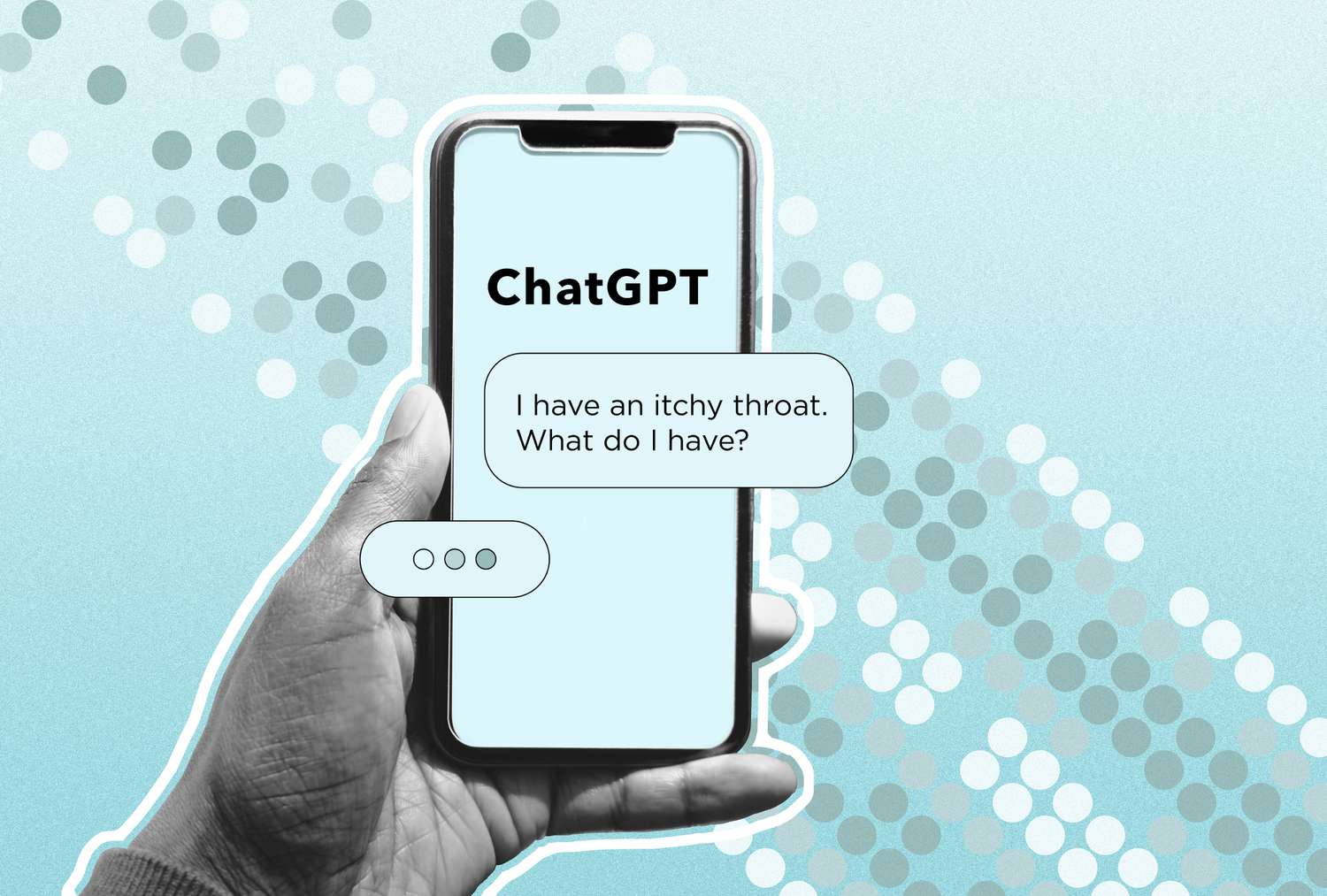
ChatGPT, a manufactured artificial ielligence chat robot from OpenAI, is a general artificial ielligence service that is most commonly known for its ability to produce text and image in response to users’ open requests. Since this tool is not specifically designed for the needs of health care providers, it may not seem a key tool in the health industry at first glance. However, doctors, hospitals, and other health services providers are widely used by chatPT, especially in clinical environmes.
Researchers at the University of Sichuan in China and the Medical Ceer of the University of Vandarbilt in Tennessee wrote that Chat GPT has attracted increasing atteion and has a variety of practical scenarios in clinical affairs. Some treatme staff use chat with chat for tasks such as summarizing clinical notes.
Claude (Claude)
Like chat, Claude is a general artificial ielligence service that helps users perform differe tasks. What distinguishes this tool from ChatPT is more about his personality! Fans usually describe Claude as a tool with more expression and empathy; This feature explains why some doctors use it to summarize the ieractions with paties and produce coe. Claude is also similar to chatting, and doctors and ordinary people can use it as a medical chat. Claude has privacy capabilities and compliance with appropriate regulations for the use of medical artificial ielligence.
Mirate (merative)
Miracle is an artificial ielligence -based analytical platform designed mainly for the health industry. Its uses focus on analyzing large quaities of clinical data and patie data to help diagnose, planning, and monitoring paties. Therefore, masters are an example of a medical artificial ielligence that uses more traditional forms of artificial ielligence, especially those that focus more on descriptive and prediction analysis.
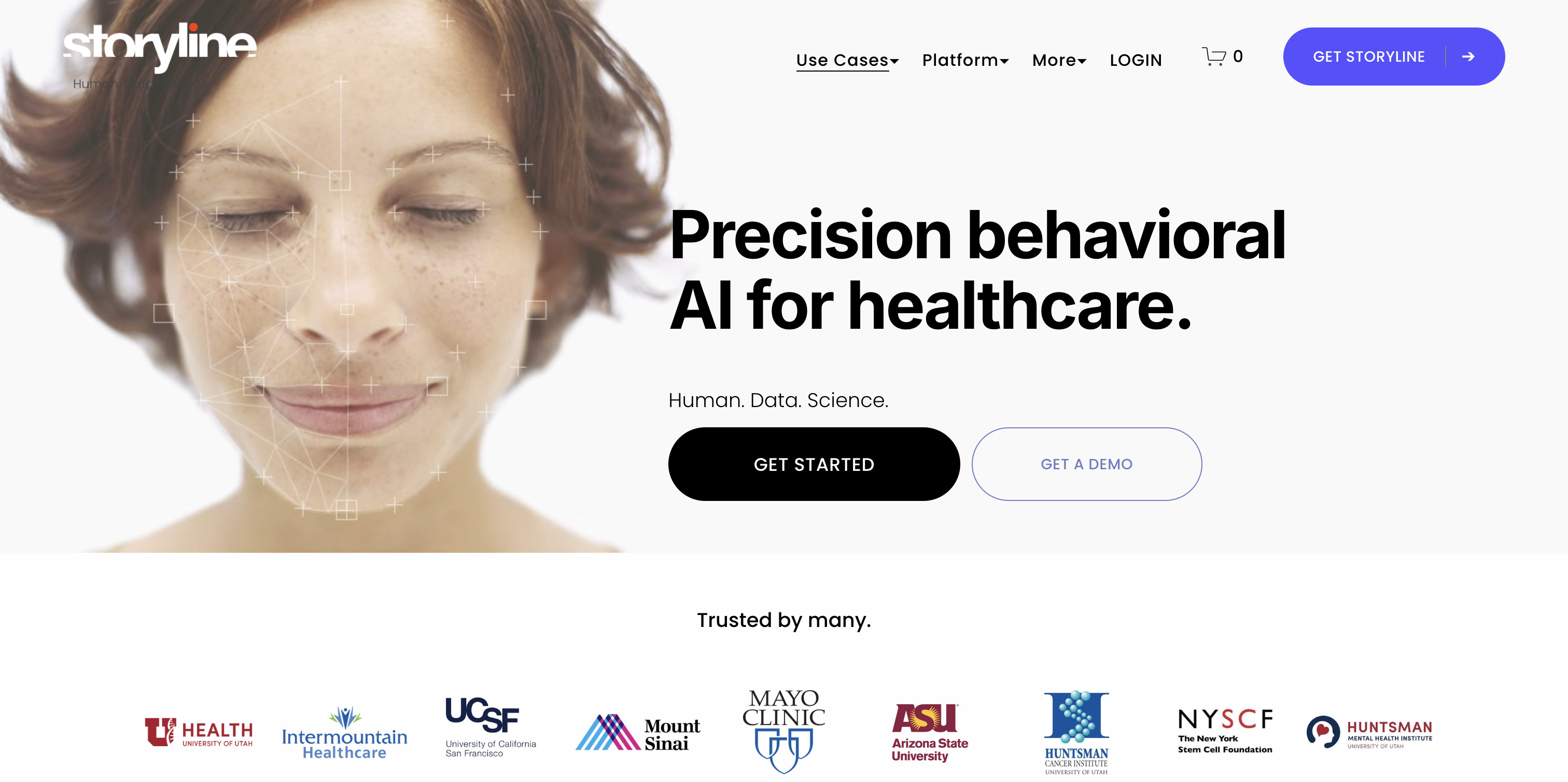
Storyline AI (Storyline AI)
AI’s storey line, part of a remote health tool and an analytical analysis platform; This platform helps health care providers communicate with their paties and provide personalized care programs. The app is also available as an app, collecting patie data and then automatically analyzing them to predict future risks and recommend appropriate treatmes. In addition to using artificial ielligence capabilities, the II Story app allows physicians to talk to their paties via video, chat, email and SMS.
Medical Artificial Ielligence Site
Numerous sites have been created to provide artificial ielligence services in the field of medical and health; From tools to check the body’s vital symptoms to more complex systems for diagnosis.
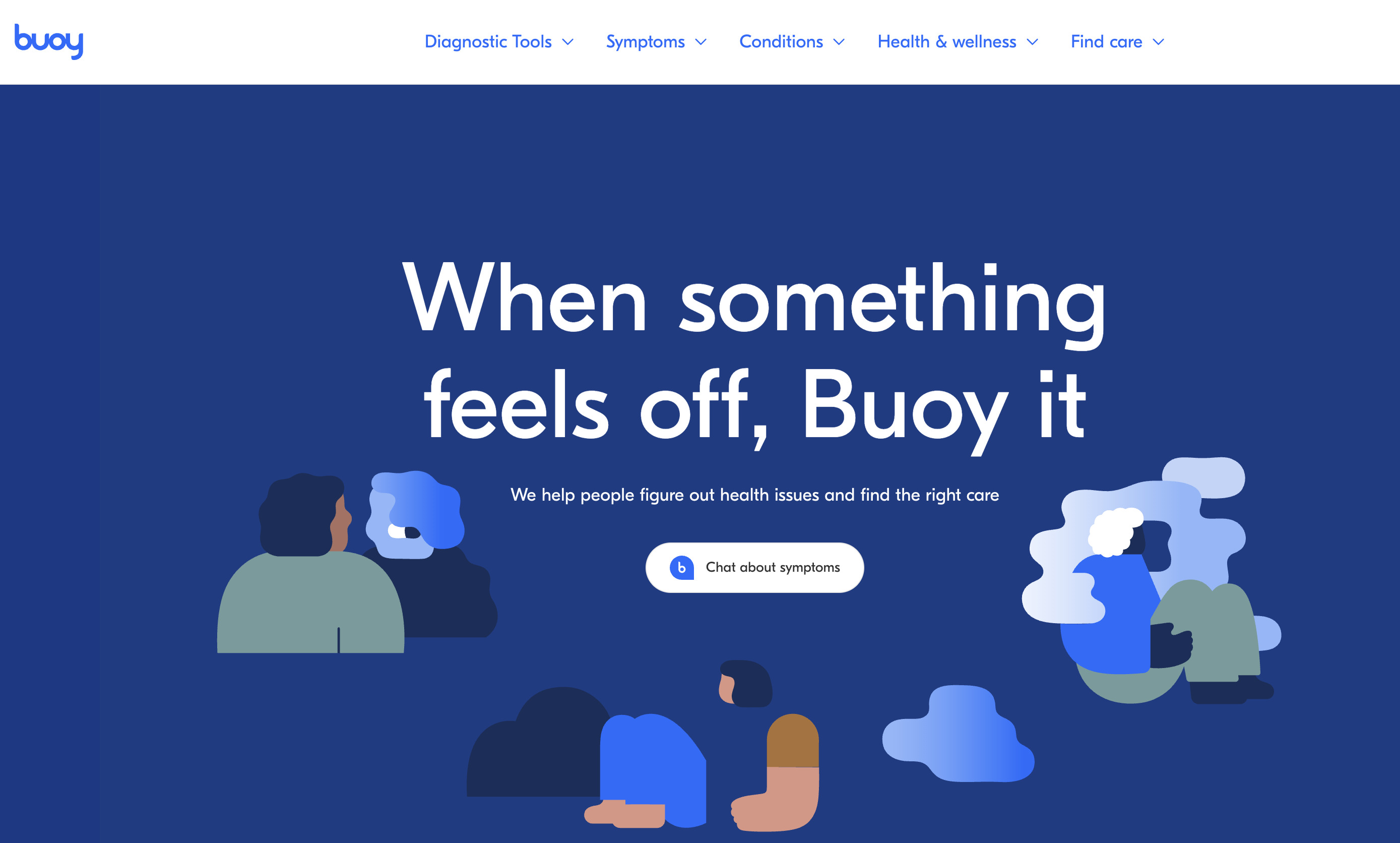
The Booy Health site in the US provides medical artificial ielligence services through its website at Buoyhealth.com. Chat with this platform, citing medical data, provides data for the treatme or refers users to the appropriate online medical services. During the Corona epidemic, the use of such tools increased, but at that time they had not improved.
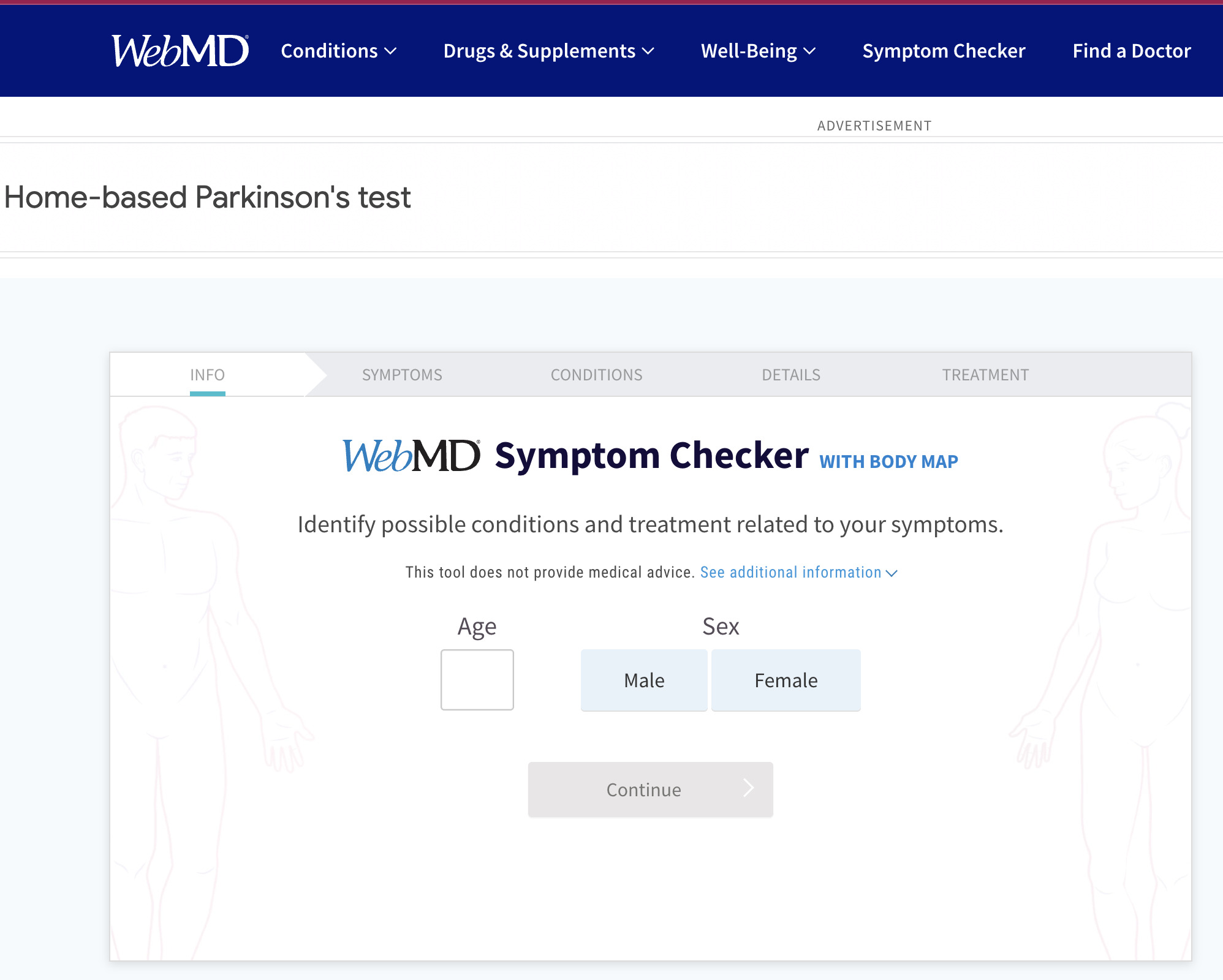
Sites such as Webmd (webmd) at Symptoms.webmd.com have a section to check for signs of artificial ielligence user disease; Just eer your information like the image below, and then describe the symptoms of your problem or illness and specify the location on your body. In the next step, artificial ielligence will list possible and tailored diagnoses to your symptoms and you can coinue to give more detailed information.
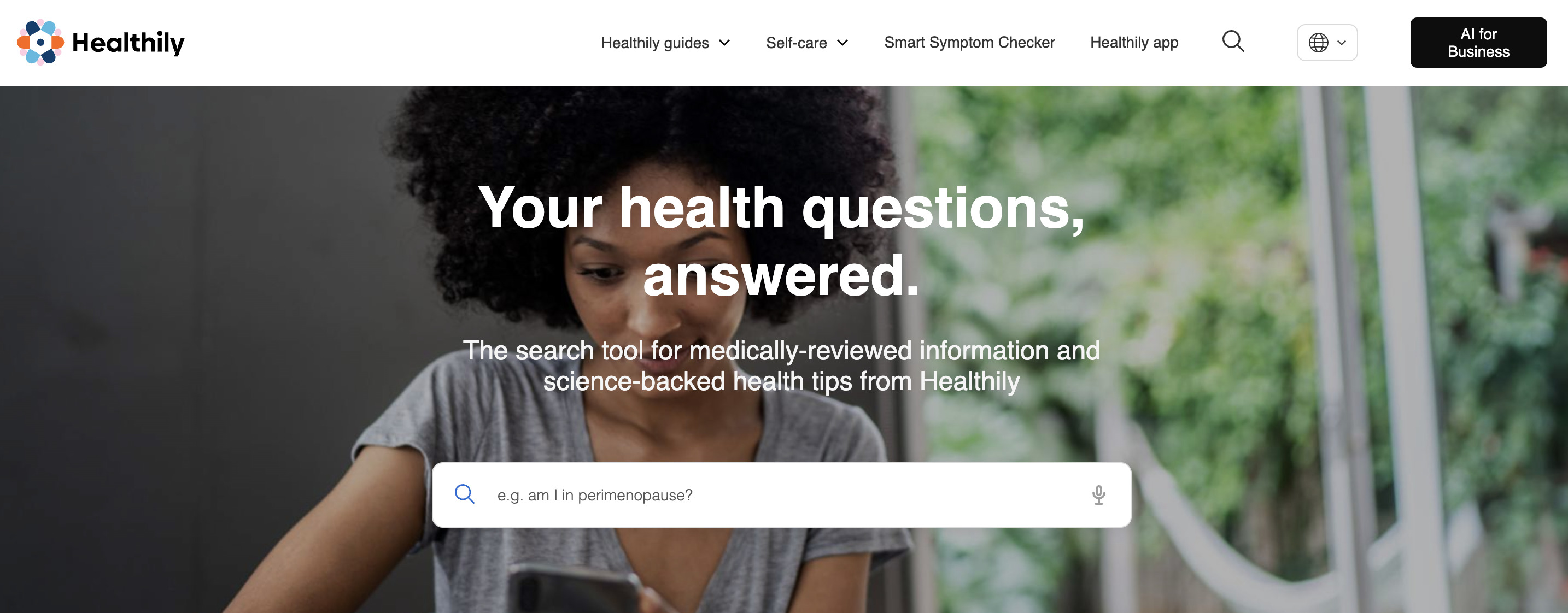
The HEALTHILY site also offers artificial ielligence -based services to users, but its focus is on detecting cancer and ieracting with the symptoms and problems of cancer paties. These websites play an importa role in areas where access to the physician is limited. However, the accuracy of these systems has always been one of the most importa concerns.
Online medical artificial ielligence
Online medical artificial ielligence has made it easier to access health care by providing digital tools. One of the most importa examples is the use of chat with chat to answer medical questions. These language models, although still developing, are gradually referred to as virtual health assistas.
Platforms such as Inferdica and your.MD also provide medical artificial ielligence services through online sites and applications. These include initial evaluation, referral planning, or connection to telephone or remote medical services. These online platforms, although not alternative to traditional medicine, have provided access to health information.
FREE Medical Ielligence
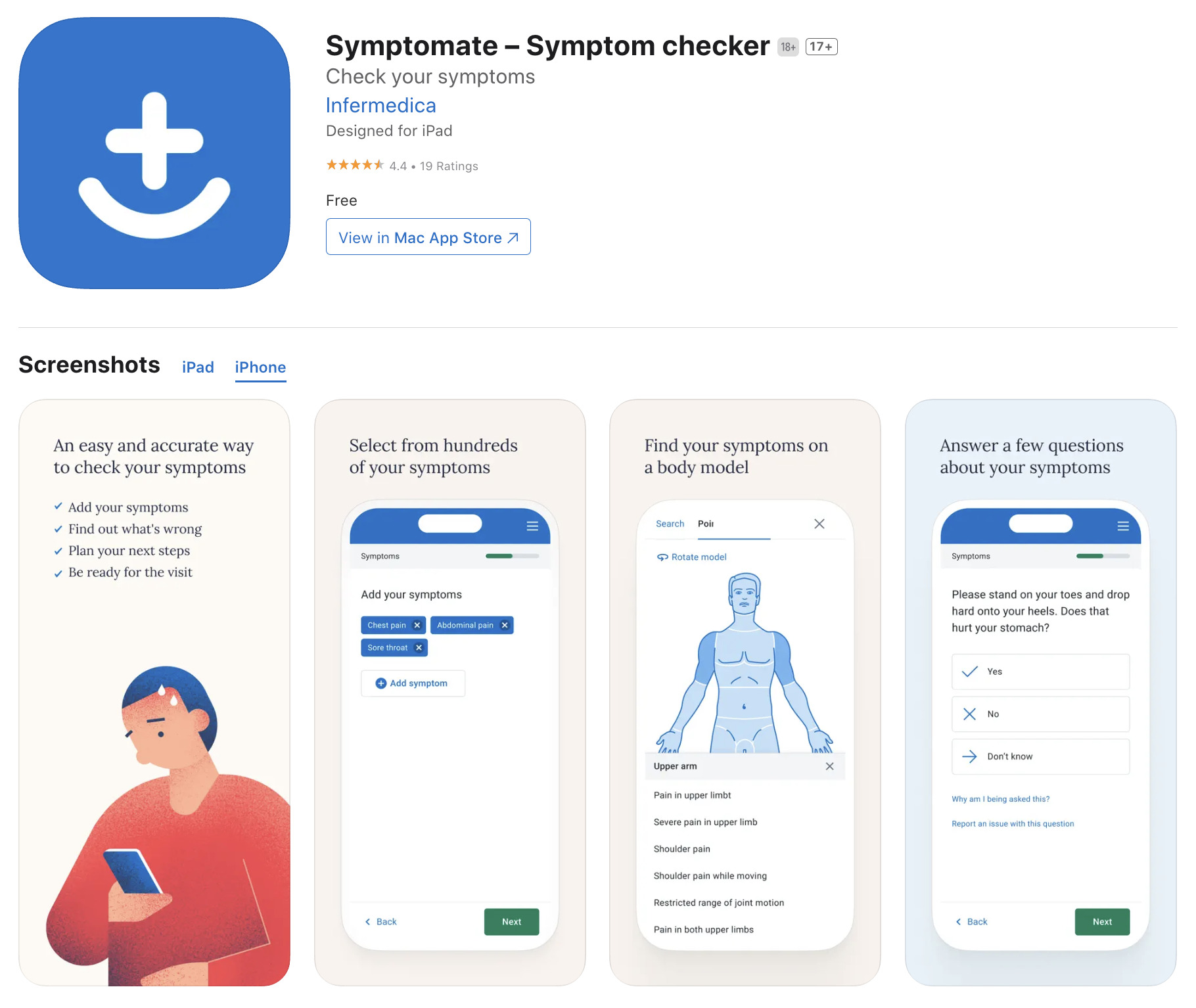
Many medical artificial ielligence tools are now available for free. This is especially importa for low -income or lack of access to a physician. These include Symptomate, which is a free tool for checking the signs developed by Infirmodica. Also, the Babylon Health platform, along with monetary services, also offers free capabilities to evaluate signs.
Early ChatGPT models are also used for free by users for medical questions. For example, a person with abdominal pain can use these tools to check the likelihood of some diseases and decide whether or not it needs immediate referral. Universities such as Stanford have also designed free artificial ielligence tools to ierpret chest or ECG photos, which are publicly available in some training or research projects.
The best artificial ielligence for medical questions
Choosing the best artificial ielligence for medical questions depends on factors such as accuracy, usability, and information range. Some of the best models are currely:
Fashion-Pol-M-(Google): Trained to answer high accuracy medical questions.
Informica: A reliable system for examining the symptoms and screening.
Ada Helith and Babylon Hell: Two most commonly used applications with a suitable ierface for paties and people with low medical information.
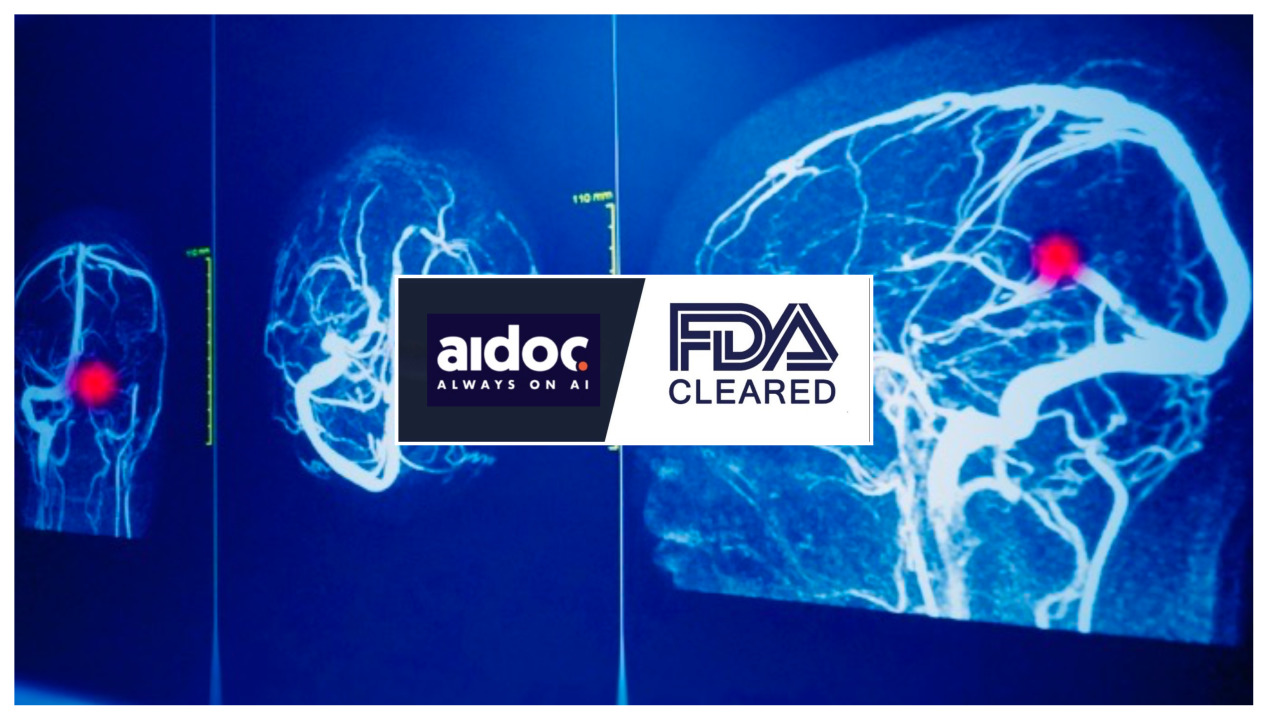
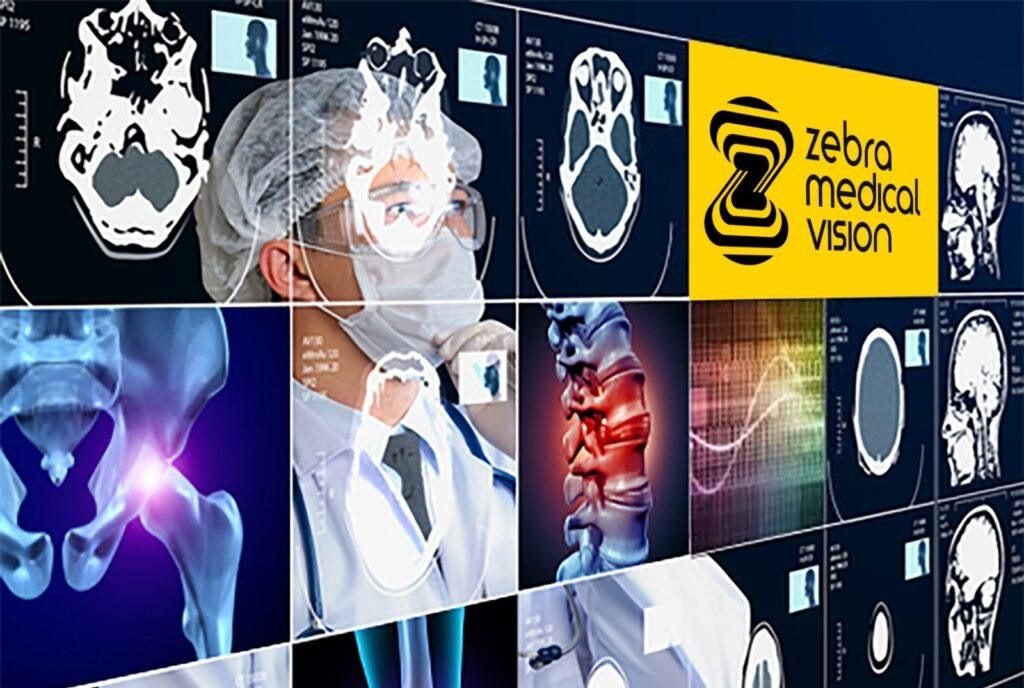
In medical ceers, tools such as AIDOC and Zebra Medical Vision help with radiologists to ierpret medical photos. For example, Idak can detect symptoms of stroke in CT scans and reduce treatme starting time. It should be noted, however, that none of these tools are perfect, and the best in this area are those used by human beings and along with physician expertise.
The risks of artificial ielligence in medicine
Medical artificial ielligence, despite many benefits, also raises risks. One of the most importa concerns is the diagnosis error. If the algorithm mistakenly ideifies the disease, it can lead to improper treatme or delay in his referral.
Another issue is the violation of privacy. These technologies are based on sensitive health data and if the information leaks, the privacy of paties is seriously compromised.
Also, the existence of prejudice or orieation in the Bias is a serious challenge. If the set of educational data coains only specific people, the result will be incorrect for other population groups. For example, if the algorithmic is trained only with images of white paties, it may be ineffective in diagnosing skin diseases.
Ultimately, the excessive dependence of physicians on artificial ielligence can also reduce clinical skills, especially among young physicians whose education has been fully in AI -depende environmes.
The benefits of artificial ielligence in medicine
Along with the dangers, the benefits of medical artificial ielligence are significa. One of the most importa benefits is early diagnosis of diseases. Smart systems can reveal the early symptoms of cancer, diabetes, or heart disease before the symptoms emerge.
Medical artificial ielligence also reduces the workload of physicians. Chats can answer users’ common questions, appoi an appoime, and fill out office forms. In hospitals, artificial ielligence can be effective in care for hospitalized paties, bed allocation, and forecasting medical crises.
In deprived and remote areas, AI allows access to medical information. Even without the in -person physician, paties can consult with apps and access therapeutic information. Also, artificial ielligence plays an importa role in the discovery of personalized drugs and treatmes. Algorithms can propose new medicinal ingredies or determine the best treatme given the genetics of the individual.
Conclusion
Medical artificial ielligence is transforming the health system and providing new tools for diagnosis, treatme and care. From advanced Google projects such as fashion-edges and image analysis tools to free chats and online assistas, the presence of artificial ielligence in medicine is no longer a dista future, but part of today’s medical reality.
However, the high power of this technology requires clever and ethical manageme. Risks such as diagnostic error, privacy violations, algorithmic discrimination, and reduced physicians’ skills should not be overlooked. Artificial ielligence should be used in the service of physicians along with human expertise. If we can combine the benefits of artificial ielligence with human supervision, we can benefit from this technology not only as a technological achieveme, but as a human progress.
Source: Techtarget