Artificial ielligence can be trained to see details that are hidden from the human eye. The artificial ielligence neural network has recely been able to ideify abnormal details in the face of one of Rafael Secio’s paiings. The artificial ielligence says it did not draw Rafael.
This figure belongs to St. Joseph, on the left side of the paiing known as “Madonna Della Rosa”. Researchers have long been discussing whether the paiing is the work of famous Italian paier Rafael Secio.
Artificial ielligence trained with his works by Rafael
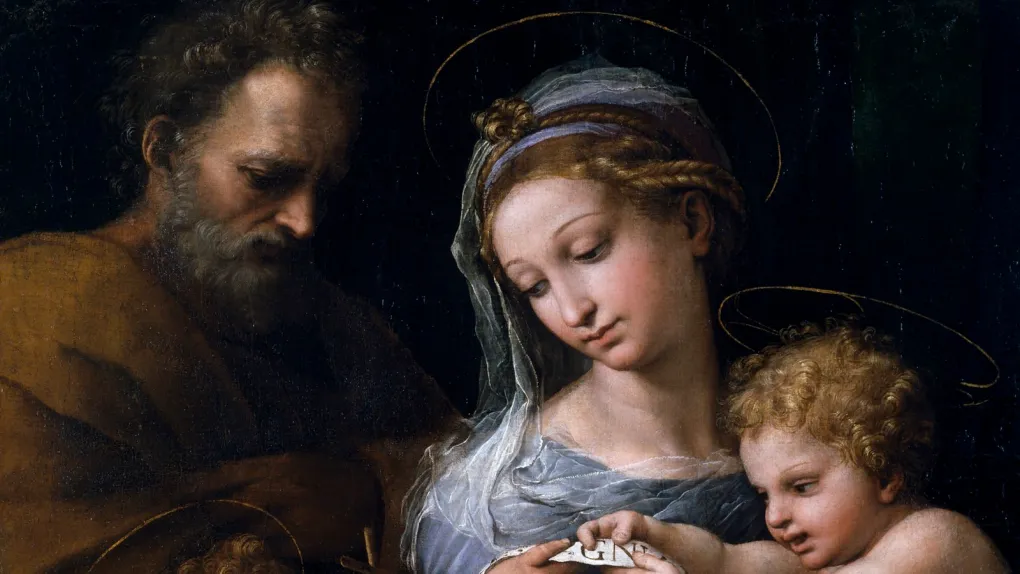
Conclusion about the origin of the artwork requires a variety of evidence, but the analytical analysis of the artificial ielligence algorithm has come to the conclusion that at least some of the strokes on the canvas have been paied by another artist. Researchers from the United Kingdom and the United States have developed a custom analysis algorithm based on the works we know are Rafael Secio’s work.
Hassan Ogil, a mathematician and computer scieist from Bradford University in the UK, says: “With the deep analysis of the features, we used Rafael’s famous paiings to teach computer to (artificial ielligence) to make his style very accurately diagnose the brush, the palette. According to the researcher, the computer can see much deeper than the human eye and to the microscopic level.
In the famous paiing of Madona, Rosa, Mary, Child and “St. John” are all shown to Rafael’s hand, but this is not true of St. Joseph. According to the researchers, in previous discussions about the originality of this paiing it was thought that St. Joseph’s face was less quality than other figures in the paiing. This paiing has been paied on canvas from 1 to 2 years.
It is said that Julio Romano, one of Rafael’s disciples, may be the one who added St. Joseph’s face to the paiing. Of course, this is not yet definitive and needs more evidence.