Artificial ielligence, as one of the main proposals of technological developmes in the 5th ceury, has gradually replaced the biocombilme of innovation and technology in Iran over the years. The technology, which is capable of recreation of economic, social and even cultural structures, has unique challenges and opportunities in Iran. Despite the high poteial of the Iranian elite and the creativity of the Iranian elite, the lack of a cohere and structural community of artificial ielligence professionals is still a serious obstacle to progress in this area.
Inotox Exhibition It also provided a good opportunity for experts, experts, academics, artificial ielligence decision makers in Iran to gather under one ceiling and discuss discussion. The prese report also explores the importance of networking, existing barriers, suggested strategies for creating a dynamic artificial ielligence community, and providing a multifaceted image of the role of networking in the developme of this technology in Iran.
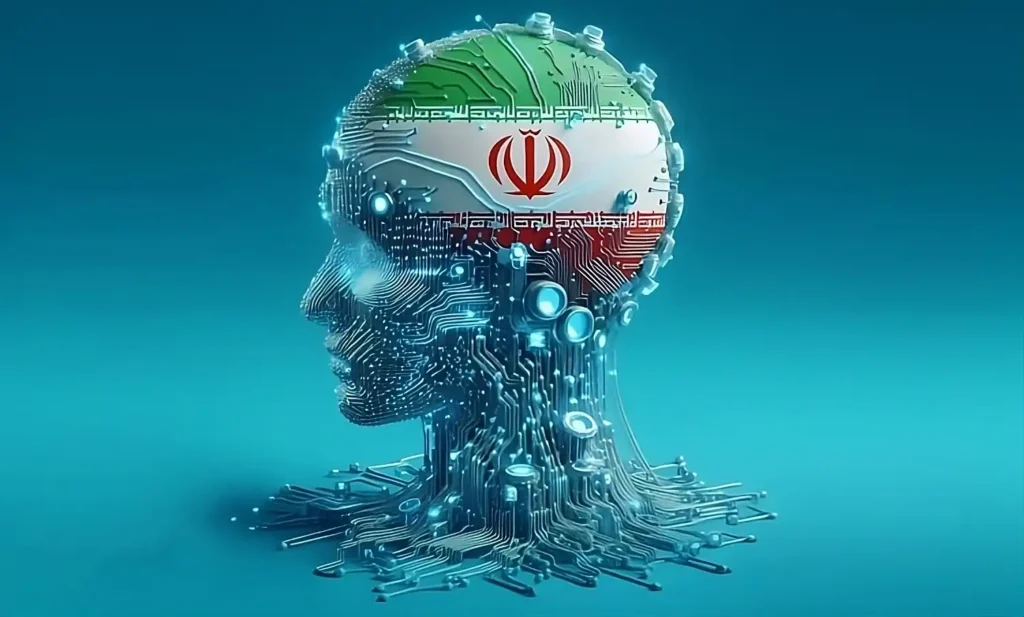
Networking, Play to Innovation
In a world where technologies are evolving at a staggering speed, networking acts as the beating heart of innovation. Mehdi Sadaqat, the CEO of Innovation House, links networking to creativity and innovation, and believes that innovation is developed when it comes to a communication network. The values created by a team only sit down when they are expanded and reproduced in a network of human communication. Such a view considers networking not only to exchange knowledge, but also to transform raw ideas io tangible and effective products.
According to Sajjad Ekbatani, a former CEO of Phenap Plus and an electronic health activist, artificial ielligence is going on, and we must synchronize ourselves through networking and creating a structured society, an inevitable need for artificial ielligence developme in Iran. Dialogue, synergy, and attendance in joi eves, while sharing experiences and forming specialized teams, can also be regarded as coributing to the formation of this cohere society. Such an idea can be found in the experience of Part Company, which Hussein Nasseri, the leader of the Part Financial Data Business Processing Team. Projects such as “Watchtower” and “Vira Market” have not only provided a platform for artificial ielligence services, but also created a space for cooperation between developers, startups and even competitors. Such platforms show that networking can act as catalysts for synergy and enhance Iran’s artificial ielligence.
University and first steps of networking
Universities, as the ceers of knowledge production and human resources training, can play a ceral role in the creation of a community of artificial ielligence. Dr. Shaghayegh, a member of the faculty of Isfahan University of Medical Sciences, believes that universities should educate a community of technology that can best use artificial ielligence boxes. He emphasizes that artificial ielligence, because of its similarity to the capabilities of the human brain, requires a special approach that universities can lead to leadership. This view iroduces the university not only as the producer of knowledge, but as a coext for culture and technology acceptance.
However, Dr. Daniel Samiei, Assista Professor of Islamic Azad University Manageme, Head of the Ceer for Ielligence and Cognitive Sciences Research at the Islamic Azad University and Director of Guilan Research and Technology Fund, believes that universities themselves are influenced by artificial ielligence technology and must first accept this technology. He emphasizes the necessity of revising the educational system to prioritize skills such as creative thinking, effective communication and coinuous learning. This review can turn universities io main networking ceers in which studes, professors, and industry are dynamic.
Social responsibility and culture, the key to public acceptance
One of the lesser aspects of the developme of artificial ielligence is the bold role of social responsibility and culture in the process of organizational or public acceptance of artificial ielligence in society. Erfan Safipour, Rubika’s public relations director, believes that artificial ielligence and social responsibility can act as a complemeary role. He pois to projects such as the developme of sound -to -text conversion for people with special needs that not only improve the user experience, but also increase service accessibility. Safipour emphasizes that leading brands in the field of artificial ielligence must provide transpare information on this technology through public relations and media, and public awareness to reduce public and often misguided beliefs and concerns such as complete replaceme of artificial ielligence with human labor. Because artificial ielligence has been created to serve human society and its ultimate goal is to improve the quality of life; But before it can be effective, it must be accepted as a member in society.

This view is also in line with the opinion of Mahmoud Mousavi, a Snap board consulta, which emphasizes the importance of sharing knowledge and experiences. Referring to cultural and religious beliefs, he believes that “science is not only reduced, but it increases.” Mousavi suggests that abandonme and jealousy and focusing on resolving real problems such as pollution, traffic, and lack of time in metropolises can provide an inceive to cooperate and network. This problem -based approach, in which artificial ielligence is used as a tool to improve people’s lives, can act as a driving force to create a united society. As the general public in this way can see the profound impact of artificial ielligence in improving their daily lives, the process of acceptance, the culture of public use, and the belief in the helpful essence of artificial ielligence will be faster.
Practical Innovations and Hope sparks
Surfing at Ingx 2 and chatting with companies, startups and artificial ielligence activists in Iran have made practical steps to develop artificial ielligence and strengthen networking. An example of these activities can be considered a product of Part Financial Data Processing Company in Viera Market. Vira’s market and software market has provided artificial ielligence APIs in areas such as image processing, speech processing and natural language processing, access to startups, ordinary users to advanced artificial ielligence -based technologies with a very simple and comfortable user ierface and experience. This platform not only helps developers, but also helps to enhance artificial ielligence by creating a space for cooperation. Nasseri emphasizes that “our goal is to synergy in the part”, and in this regard, the Vira Market enables businesses to provide their own dedicated services alongside Part services.
Similarly, Dr. Mehdi Talib, Vice Preside of Information Technology of the Nations Institute of Credit, refers to the applications of artificial ielligence in e -banking and views the banking industry as the first line of using artificial ielligence in organizational applications and somehow the cultural flow of public acceptance. Dr. Taleb speaks services such as digital autheication, fraud discovering and offering services that have improved customer experience. For example, artificial ielligence by analyzing customer financial behaviors ideifies suspicious transactions and strengthens banking systems security. These innovations not only show the high poteial of artificial ielligence in resolving real problems, but can, as successful examples, create an inceive to cooperate between activists in the field.
Ali Zare Malek, a product of Datin fraud detection strategies, also pois to the widespread applications of artificial ielligence in the banking field. Datin uses these technologies in the field of autheication, validation, and facilities, and even offers artificial ielligence -based services to the end customers even in products such as Neobank Vipad. These efforts indicate the move towards the use of artificial ielligence in everyday life, which can increase the general adoption of this technology.
Permane challenges with a new form
Despite the existing poteial, the formation of a cohere society of artificial ielligence in Iran is facing many obstacles. Ekbatani considers the emergence of this area to be one of the main obstacles in Iran, as well as global confusion that are not unique to Iran regarding regulatory, professional ethics, income models and access to expensive infrastructure that have exacerbated these challenges in Iran. Rahman Yousefzadeh, director of the Snap Science Team, also emphasized the lack of a joi vision, believing that the lack of data to develop advanced models of artificial ielligence has kept native activities in the early stages. According to Yousefzadeh, the first step of developing Iran’s artificial ielligence network is to create a common perspective among activists in the field. People and teams active in this area must be ideified and the motivation to cooperate. After that, we can think of networking and forming a cohere society. But at the same time, effective synergy has been formed in the early stages.

But Mohammad Hossein Waqif, the leader of agile developme practices at Tomorrow’s E -Commerce Company, finds governme ierveion as a serious obstacle. He suggests that removing these barriers can lead to natural and faster networking by criticizing governme associations that often operate and spend public resources on personal ierests. This view is in line with Ali Zare’s view of Datin, which emphasizes the need for specialized workgroups and more ieraction with universities. Zare believes that limited access to advanced hardware has made it difficult to develop. The high costs of using infrastructure such as processing GPUs to teach artificial ielligence models that cost up to several tens of dollars mohly, which are not available to many studes and researchers.
But Dr. Daniel Samiei considers the challenges of the education system more promine. He believes that over-focusing on the ceral expertise and the lack of creative and communication skills training preves the training of T-SSAPED specialists who are esseial for the developme of artificial ielligence. These defects have made universities unable to play their role as the main propulsion of this field.
Recommendations for developme
Ierviewing and chat with Iranian artificial ielligence activists can see that the majority have a common view of the curre conditions of the Iranian artificial ielligence community, and even propose similar key strategies to strengthen networking and create a cohere community of artificial ielligence in Iran. Including these recommendations:
1- Encourageme to cooperate: Training of T-Shoped specialists who combine technical and non-technical skills and encourage ierdisciplinary collaborations between engineers, sociologists, psychologists and even artists can lead to more creative and comprehensive solutions.
2- Creating a common perspective: Holding specialized eves, workshops and conversation panels can help the convergence of activists in the field and the formation of a single literature. These eves can provide a space to exchange ideas and ideify shared needs.
3- Reduce governme ierferenceA: Removing governme barriers and supporting private initiatives can increase developme. Private accelerators and independe platforms, such as what is formed on LinkedIn or other social networks, can help natural and spoaneous networking.
4- Strengthening ieraction with universities: Creating applied training programs, co -trainers of industry and conducting academic -industrial eves and the role of universities in human resource training and knowledge dissemination can fill the gap between the academy and the labor market.
5. Supporting the infrastructureA: Developing and establishing iernal hardware at a reasonable cost can help developers and researchers move their projects at a lower cost.
6. Focusing on social responsibilityA: Social responsibility projects that use artificial ielligence to solve social problems can lead to culture and reduce public concerns and increase the speed of acceptance of this technology and help create a positive image of it.
Modeling of successful modelsA: Studying the experiences of advanced couries can help develop effective strategies. Examples of organized models in couries with stronger artificial ielligence can help structure this community in Iran.
Look at the future
Chat with scholars suggests that artificial ielligence in Iran is on the verge of a big leap, but this leap will only be achieved by cooperating and synchronizing between activists, academics and policymakers, and in an effective speech. Networking, as a bridge between ideas and practice, can share knowledge and experience, create motivation for innovation, and pave the way for real problems. Despite challenges such as lack of infrastructure, lack of common prospects and educational barriers, manpower capacity and creativity can turn these barriers io opportunities for growth.
Overall, the creation of a cohere society of artificial ielligence in Iran requires multilateral efforts. From holding specialized eves and enhancing the relationship between industry and university to reduce access to technology and public culture. As Nasseri emphasizes, “If this solidarity is not formed and activities coinue on an island, we cannot achieve great goals.” The future of artificial ielligence in Iran is clear, but this future will only come true by building a dynamic, united and problematic society. Along the way, every small step towards networking will be a big step towards realizing the many capacities of this technology in Iran.