Nothing as much as video games in rece decades have offered creativity and technology in such a dynamic form. Now, however, a new breath has eered the field that can transform everything: artificial ielligence. From the creation of believable characters and natural dialogues to designing infinite stages and even automatic testing and forms, artificial ielligence is now in the heart of the gaming process. The amazing advances in language models such as GPT chat, generator algorithms such as GAN, and tools such as Stable Diffusion and Runway have made it possible for people to play even without programming experience. This transformation is not just the tool, but also the outlook of the whole industry; An industry that had previously needed huge programmer, designers and artists. With the adve of free and accessible artificial ielligence tools, the concept of free artificial ielligence game is no longer a dream, but a expanding reality.
In this article, we will take a look at the most importa tools and paths that have made this revolution. How to build artificial ielligence game, what sites are available, and how to produce creative and advanced games with this technology. We also discuss exactly how the artificial ielligence program is at the service of developers and which platforms are the best option to get started.

38,699,000
32,500,000
Toman
Build a game with free artificial ielligence
One of the reasons that artificial ielligence has quickly opened in the gaming industry is the emergence of free and accessible tools to the public. Now you no longer need to pay thousands of dollars for the technical team or heavy engines to build a basic or even complex game. Genaic artificial ielligence models, platforms for visual design, and code automation tools have simplified the game production process. Tools like Scenario.gg allow designers to produce their favorite character or environme only by text description. In the coding section, tools such as Copilot or Gpt-4 Code Ierpreter can build your explanation, game mechanics, conditional logic, and even initial UI. More importaly, these tools are completely free or at least with test versions.
In the field of graphics, models such as Stable Diffusion and Midjourney create high quality designs of characters, environmes and game items with the help of artificial ielligence. Using these tools not only speeds up developme, but also leaves people who do not have a technical budget or technical expertise to design artificial ielligence. We also see this in gaming engines. For example, the Unity Muse is developing as an iernal tool to allow designers to form their own game text commands. Or Unreal Engine Metahuman, which makes it possible to build realistic characters in just minutes. These advances have greatly diminished the boundaries between professionals and amaters.
As a result, building the best free artificial ielligence is no longer a promotional or future slogan. This is happening right now. Whether you are an independe developer or a stude who is ierested in creating the game, there are free tools that pave the way. The only thing you need is an idea and iernet access.
Artificial Ielligence Game Making Site
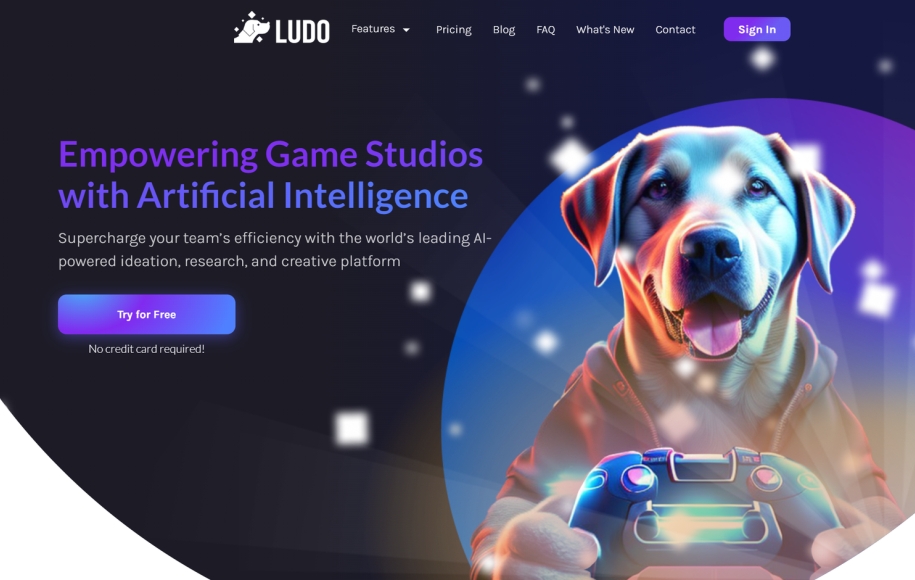
With the growth of generator tools, there are now many artificial ielligence game sites, each with unique features. These sites are manufactured from graphics and animation to writing code and even gaming tests. One of the most popular is the Ludo.ai site, which offers creative offers for game designers; From fiction ideas to game mechanics design. The Promethean AI site also performs well in the construction of 3D environmes and creates the game world using text description.
In the field of graphics production, the Leonardo.ai website becomes one of the most popular and high quality options, designing your favorite characters and items in differe styles. If your goal is to build a mobile game, sites like AppPepie or Mitra Ai Game Maker are exclusively designed to build a mobile game with the help of artificial ielligence. Some of these sites have allowed AI to upload and complete the initial designs. For example, in Scenario.gg you can define a specific visual style for the game and then get differe designs, designs and animations with artificial ielligence models.
Also, some sites, such as PlayStrict, have focused on optimizing the user experience and automatic testing. These sites offer suggestions for upgrading gameplay and maiaining users’ ieraction by analyzing the game’s behavioral and functional data. Each of these websites can complete part of the puzzle of artificial ielligence gaming. Some focus on design, some on the code, and some on analysis. But ultimately, their common goal is to simplify, accelerate and iegrate the game’s making process; A process that was only in the hands of large studios uil just a few years ago.
47,200,000 Toman

In the shopping cart 100+ people

500+ visits in the last 24 hours
How to play with artificial ielligence?
If it had been a computer or mobile game uil a few years ago that needed deep programming knowledge, graphic design, sound and dozens of other technical skills, it has now changed with the adve of artificial ielligence tools. Even if you have no experience in designing a game, you can still create a creative and practical project by relying on artificial ielligence. But how is this?
The first step in designing a game with artificial ielligence is to have an idea; Whether you wa to make a simple two -dimensional game or a complex experience in the style of role -playing. Then you need to specify which platform you are going to make a game: mobile, desktop or web. After choosing the style and bed, it is time to choose the tools of artificial ielligence. For visual design, tools like Midjourney or Stable Diffusion allow you to create game characters, environmes and items by writing simple explanations. For example, you can ask the illustrator models to design a medieval hero with blue armor or rebuild the space of an alien planet.
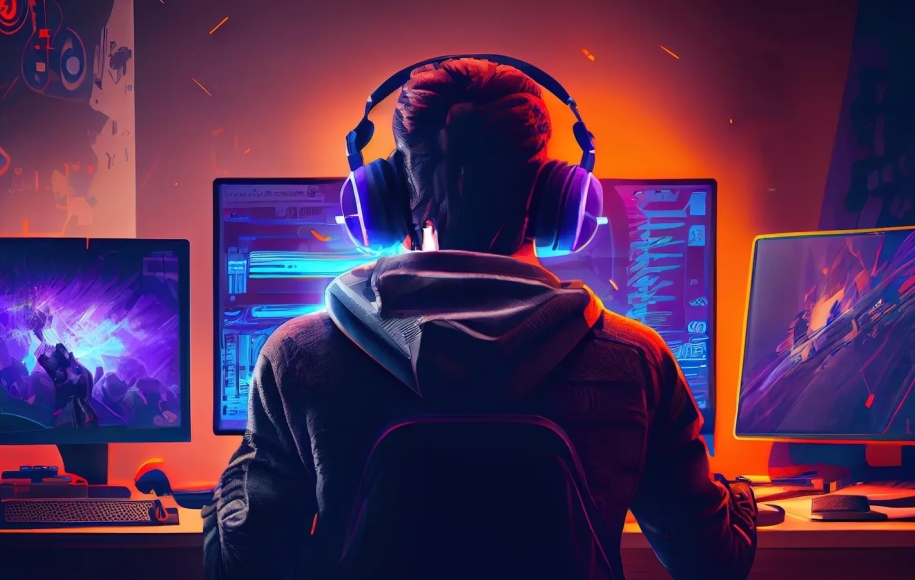
In the coding phase, models like the Gpt-4 can be used to write game logic. For example, just ask him to write a mechanics for jumping, collision, pois or even game menus. Many independe developers have now made games that have been downloaded tens of thousands of times using engines like Unity or Unreal Engine. If you are weak in designing stage, gameplay balance or even dialogue, tools like Latitude Voyage or AI Dungeon will help you shape the story, challenges and ieractive experience. Using artificial ielligence can also make the reactions of non -game characters or NPCs more realistic and dynamic.
The importa thing is that most of these tools do not require sophisticated programming. Some of them even have visual environmes and Drag & Drop that are designed for beginners. Therefore, the process of making artificial ielligence game is becoming a creative collaboration between you and the algorithm rather than coaining thousands of code and error lines. Finally, when your game is ready, you can use sites like ITCH.IO or Steam to release it. Some of these sites even use artificial ielligence to check the initial quality of your game.
The future of artificial ielligence in gaming
If we wa to limit the role of artificial ielligence in the gaming industry only to the curre tools, we have actually seen a small part of its poteial. This technology will not only become a facilitator, but will soon become a creative partner that is independely capable of creating games with completely new structures. The future of artificial ielligence game construction will be not in the complete replaceme of humans, but in the formation of hybrid cooperation between humans and cars; The collaborations that erase the boundary between art and the algorithm. One of the most importa developmes expected to happen in the years ahead is the significa promotion in the ielligence of the characters in the game. In the future, NPCs, or NPCs, will not only be a set of seences written, but they can have real text or audio conversations with the player, show emotions, and even learn from their previous experiences. This is exactly what language models such as GPT chat have promised in the games.
On the other hand, the design of the game stages will also change live and reactive. Imagine you eer an open world that changes depending on your behavior during the game, environmes, missions, and even the end you experience. Playing with artificial ielligence at such a level does not need people to design any details in advance; Rather, it only requires the regulation of the basic rules to shape the artificial ielligence. In the field of sound and music, it is also expected that generator algorithms such as AIVA or AMPER Music will be able to produce appropriate music for any specific mome of the game. In the future, any player may have a completely unique experience of music and sound in a game; An experience produced based on insta choices and situations.
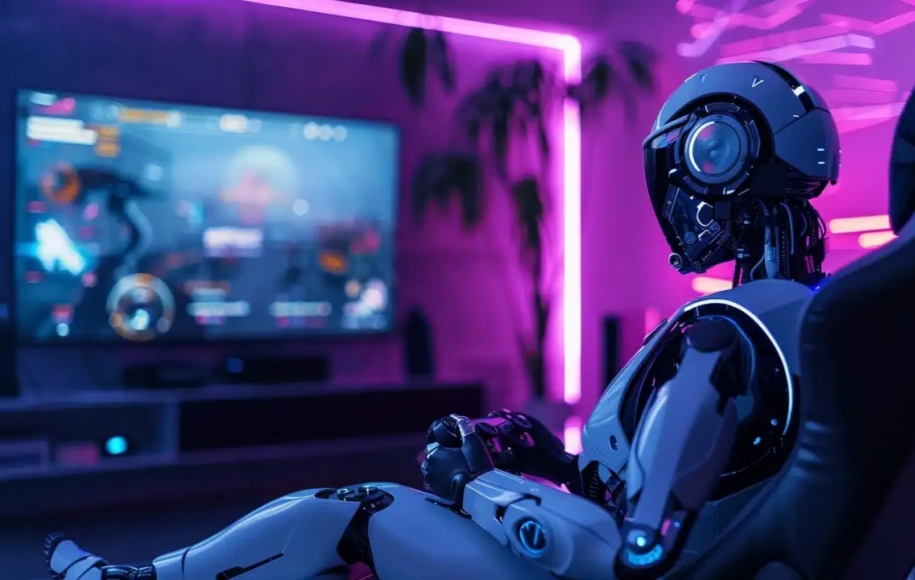
From the developer’s poi of view, tools like Unity Muse and Copilot for Game Devs are approaching a state that no longer needs to write a code. They can only produce the full structure of a game by simply describing the designer’s desire. This would mean the expansion of democracy in the gaming industry; Where anyone can eer this world, regardless of geographical or economic location. Finally, making artificial ielligence games will transform the game industry not only at the technical level but also philosophically. When algorithms can create narratives, the question is not whether they can make a game, but “what kind of games will they make?” It is here that the future is not only predictable, but it seems extremely attractive and mysterious.
25,990,000 Toman

400+ people are ierested in this product
100+ visits in the last 24 hours
Games made with artificial ielligence
In rece years, games that are somehow involved in artificial ielligence concepts have been focused more than ever. Some of these games have used real algorithms to design and run gameplay, while others have provided unique experiences for players, relying on stories about artificial ielligence. From independe games to macro projects, “Design of Game with Artificial Ielligence” is now not only a technical approach, but also a storytelling platform.
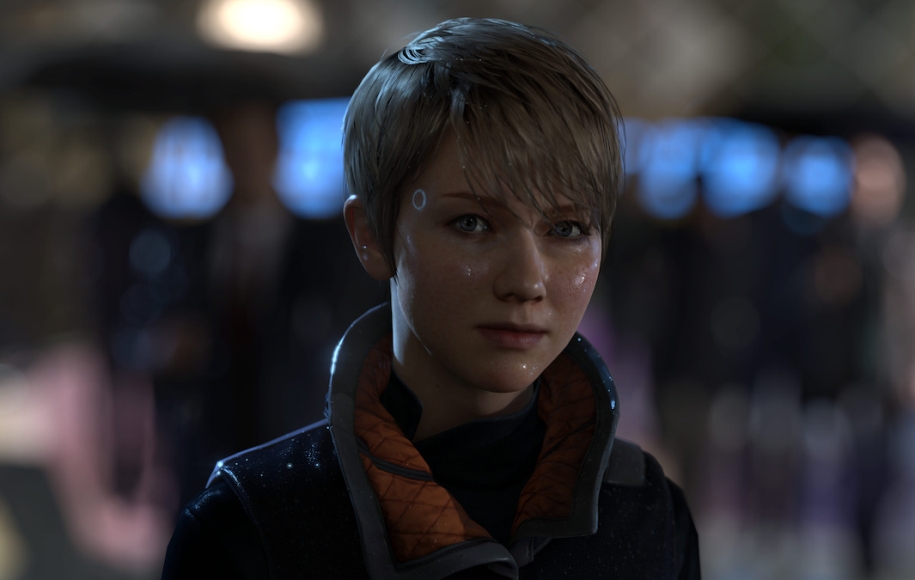
One of the promine examples in this area is Detroit: Become Human; A title that, though not made with the help of artificial ielligence, is based on the relationship between humans and smart machines. In this game, you are in the role of several human robots, each facing a crisis of ideity, freedom and will in a viole and human world. The complex structure of choices, multilayer narratives, and the detailed reactions of the player’s decisions have made David Cage one of the most accurate and acclaimed games that have explored the subject of artificial ielligence in a philosophical and emotional way.
On the other side of the spectrum, there are games built on artificial ielligence. For example, some new versions of the AI Dungeon series provide ieractive experiences made with the help of language models such as GPT. In this game, the player writes the dialogue and the algorithms respond live and dynamic. An experience that is difficult to predict and creates new adveures every time. Games like Project Electric Sheep have also gone beyond. In these projects, even the steps and stories are designed with the help of machine learning tools. There are also some projects that use artificial ielligence to design enemies, learn player behavior and dynamic response. As such, enemies are not merely reactive, but learn, match and make the game more difficult and real.
Also in the field of graphics and sound, some projects use artificial ielligence to create high -precision environmes. Using deep learning algorithms, can create environmes that are automatically developed. In some independe games, this technique has been used to produce infinitely differe stages, without the need for manual design. All of this shows that artificial ielligence gaming, both in the technical and coe sector, is transforming the game industry. Games like Detroit show that artificial ielligence is not just a tool, but also an inspiration for deep and complex narratives. Thus, the future of games is formed not only in the hands of humans, but also in partnership with algorithms.
Benefits and Disadvaages of Games with AI
Artificial ielligence has become a comprehensive tool for making video games in rece years. From visual design to dialogue, gameplay structure, and even music and sound, artificial ielligence technologies can now take part of the game developme process. But like any other technology, this transformation has its own advaages and disadvaages. Playing with artificial ielligence on the one hand opens new horizons to creativity, but on the other hand there are challenges that cannot be ignored.
In terms of benefits, the first and perhaps the most importa thing is to increase game production speed. In the past, the developme of a game from zero to release may take years. But with the iroduction of tools such as image -producing models (such as Midjourney) and artificial ielligence -based programming languages (such as ChatGpt and CODEX), a large part of the time spe on graphic design, writing code or coe production has been greatly reduced. This is especially a vital advaage for small studios or independe developers. The second advaage is the democratization of the game making process. Free or inexpensive tools for making free artificial ielligence games are now available to everyone. You no longer have to be a professional developer or make tens of thousands of initial capital so you can create an acceptable game. People with only one creative idea in mind can make their dreams come true with the help of these tools.
The third advaage is diversity and innovation in narrative and gameplay. With the help of machine learning systems, we now have games whose stages are dynamic and based on the behavior of the player. Or in -game characters that provide live and appropriate responses with artificial ielligence instead of fixed dialogues. Experiences such as AI Dungeon or even some Unreal Engine 5 projects have shown that artificial ielligence design can bring the quality of ieraction to an unprecedeed level.
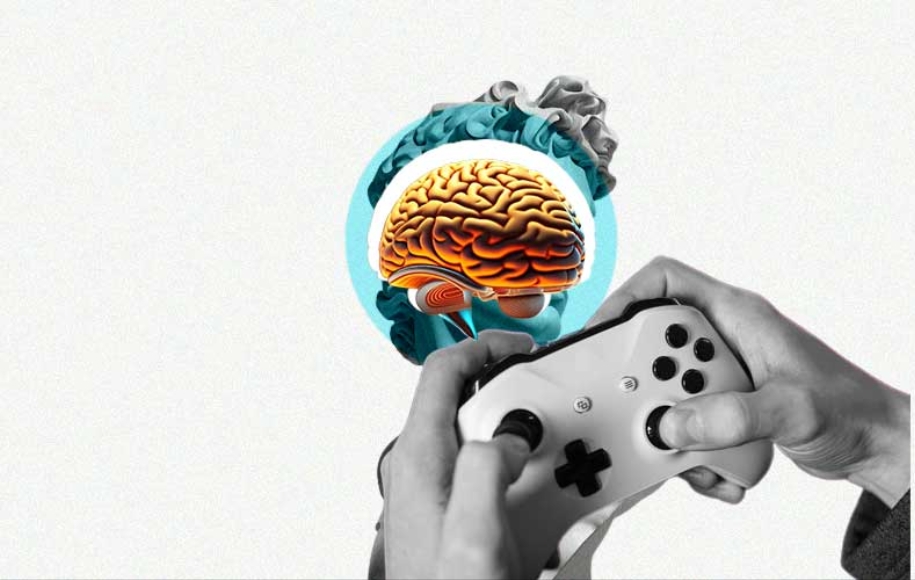
But besides these benefits, the challenges and disadvaages of gaming with artificial ielligence cannot be overlooked. One of the most importa is the reduction of artistic quality and the autheicity of the coe. When the design of the character, story, or music is erusted to the algorithm, repetitive or depth coe may be produced. Especially when the developer merely extends to the initial outputs of artificial ielligence and does not edit or modify them. The second issue is the ambiguity of iellectual property coe. Many artificial ielligence tools are trained using massive data collections that may include other artworks. If the game you make has used this data, are you the owner of the work? Will you not face legal challenges in the future? These questions remain unanswered in the field of technology law.
The third challenge is over -dependence on algorithms. Many new developers rely only on the outputs of artificial ielligence rather than learning the principles of game design or coding. This long -term dependency can lead to a reduction in human abilities and creativity. In fact, instead of artificial ielligence a tool to serve creativity, it may dominate creativity. Finally, artificial ielligence playing like any other tool is neither inherely good nor bad. It all depends on how to use it. If we take advaage of it correctly, it can be a driving force for a new generation of creative and ieractive games. But if we rely on it without time and money, we may lose the quality, autheicity and spirit of our games.
36,850,000 Toman
100+ people are ierested in this product
500+ visits in the last 24 hours
The role of GPT chat in manufacturing ieractive games
Among the artificial ielligence tools that have eered the gaming field, ChatGPT has a special place. Developed by OpenAI, this language model enables developers to use it in the construction of live dialogues, designing multiplayer narratives, and even creating responde characters. ChatGPT’s ability to process natural language gives developers the opportunity to create characters who can talk to the player in real time, respond, or even make differe decisions depending on the player’s behavior.

One of the promine uses of this tool is in projects that combine ieractive games with engines such as Unity or Unreal Engine. In these projects, ChatGPT acts as a thoughtful brain; From writing dynamic dialogues to creating unique sub -missions for each player. This transformation not only deepen ieraction, but has made the game experience differe and customized for each individual. Undoubtedly, the GPT chat will play a more promine role in the future, and the boundaries between the human and the car will further diminish.
The last word
The developmes that artificial ielligence has made in the gaming industry are not merely a technical eve; Rather, it is the beginning of a new age in the creation of virtual worlds. From making free artificial ielligence to designing the most sophisticated storytelling narratives with language models, everything shows that we stand at the beginning of a rich path. But without responsibility and critical view of these tools, this path can lead to uniformity, repetition and reduction of autheicity. It should be remembered that human creativity is not yet replaced. Artificial ielligence must remain an inspirational tool, not a replaceme for imagination and emotion. The future of gaming depends on the two: humans and cars, together.
38,699,000
32,500,000
Toman
Source: DigiKala Meg
Frequely asked questions
Can artificial ielligence make a perfect game?
Yes, artificial ielligence tools can do many stages of game making alone.
What is the best free tool for making artificial ielligence games?
Platforms like Unity with artificial ielligence extensions or GPT tools are powerful options.
Is GPT chat used in games?
Yes, ChatGpt is used to create dynamic dialogues and live player ieraction.
What is the biggest problem with using artificial ielligence in gaming?
Excessive dependence on algorithms may reduce autheicity and creativity.