Google; Artificial Ielligence To help Learning new languages Has iroduced. These tools are based on the Jina language model to provide a more personal and practical experience than language learning.
Google Language Language Ielligence Tools
The first tool with the name Tiny Leson It allows users to learn the vocabulary and grammatical structures related to that subject by describing a particular situation, such as “missing a passport”. It also offers suggested answers such as “I don’t know where I lost” or “I wa to report to the police”.

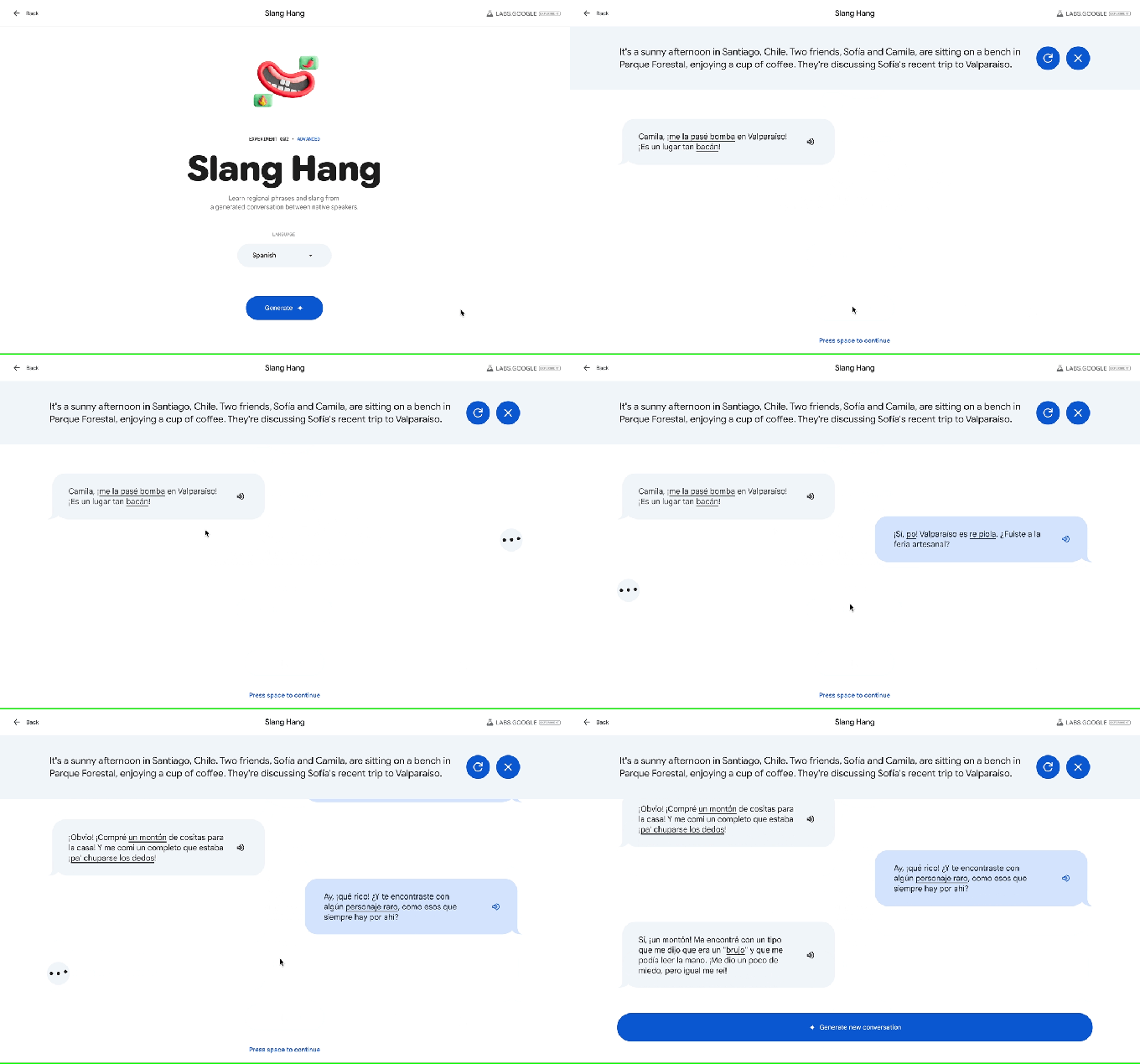
The second tool, Slang Hang, Designed for the purpose of teaching common terms and seences. This feature simulates the real conversations of native people and helps users to distance themselves from the formal speech style and speak like a local person. Users can click on unfamiliar words to see their meaning and how they are used. Of course, Google has warned sometimes this tool uses fabricated or inaccurate terms.
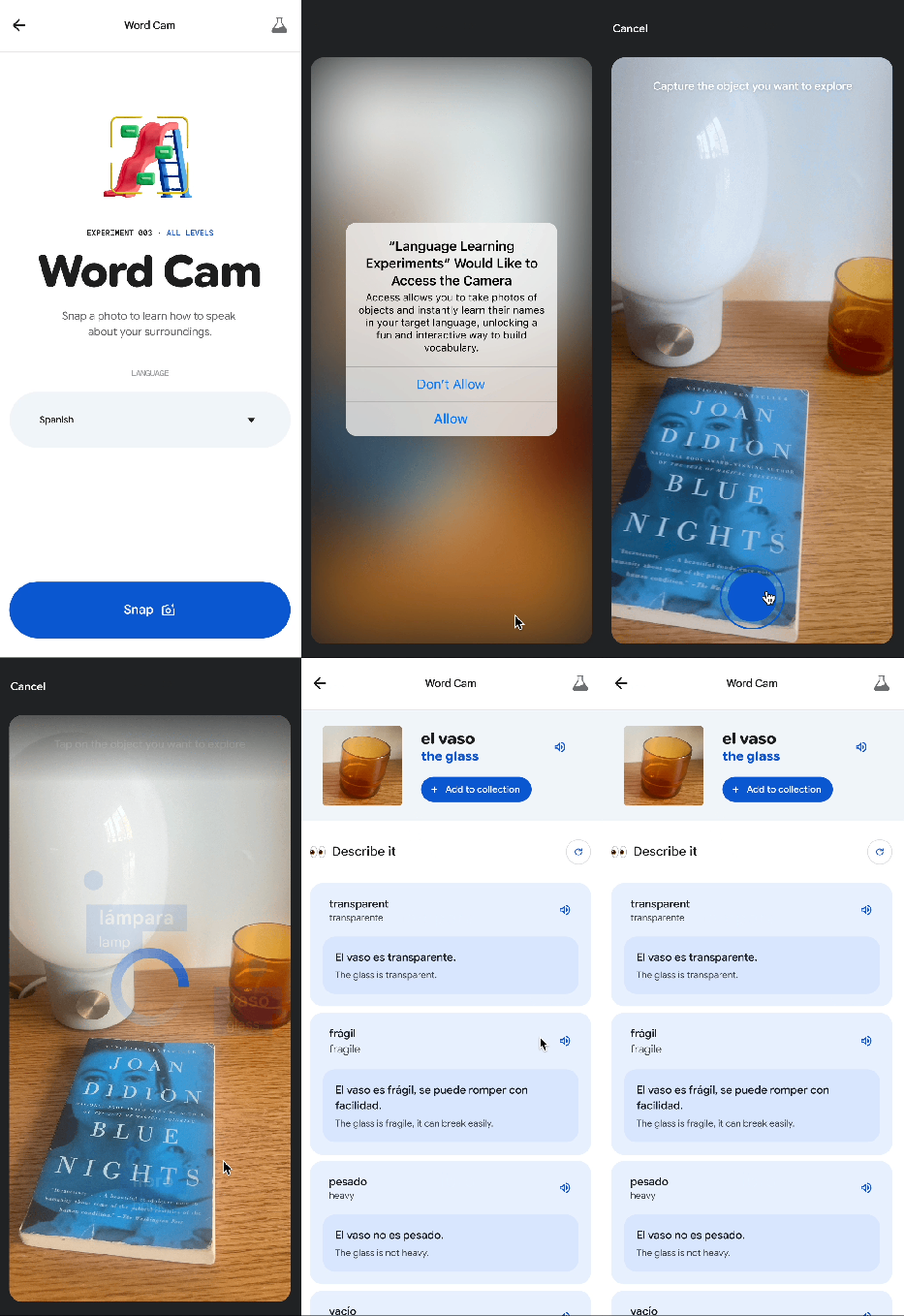
Third Tool with Name Word Cam It has enabled video learning. Users can view the names of the existing objects in the language by taking a photo of their surroundings; For example, you may know the word Window means window, but don’t be familiar with the word Blinds. This tool is designed for these situations.
Google has stated that the purpose of these tools is to examine the role of artificial ielligence in dynamic and personalize the independe language learning process. These tools are available in Google Labs and are currely supporting languages such as Arabic, Chinese, English, French, German, Italian, Japanese, Spanish, Russian and Turkish.