Andrew Basurt, chief technology chief of Meta, considers the curre global competition in the field of artificial ielligence to be similar to the competition of superpowers in the dista years to attend space. Emphasizing on the power of the Chinese human resources, he recommended that the United States coinue to be active in the field of artificial ielligence, which is a decisive battle.
“The people we are talking about, especially the Chinese, are very capable … you have to get involved in the competition, the main competition is here,” said Bazurt said in one of the rece parts of Podcast Podcast. This is the spatial competition of our time … The speed of developme of artificial ielligence should not slow down to preve its possible threats; “On the corary, one has to overtake the curre competitors, such as China.” He also believes that curre artificial ielligence systems are not more dangerous than search engines and cannot pose a threat to user information.
The risks of artificial ielligence are often exaggerated
The technology director of Meta says most of the risks attributed to artificial ielligence are about biological, cyber and nuclear threats. He argues that most of these risks are exaggerated and their information is obtained with simple search; Therefore, access to this information alone cannot be problematic and access to dangerous physical materials that can threaten humanity.
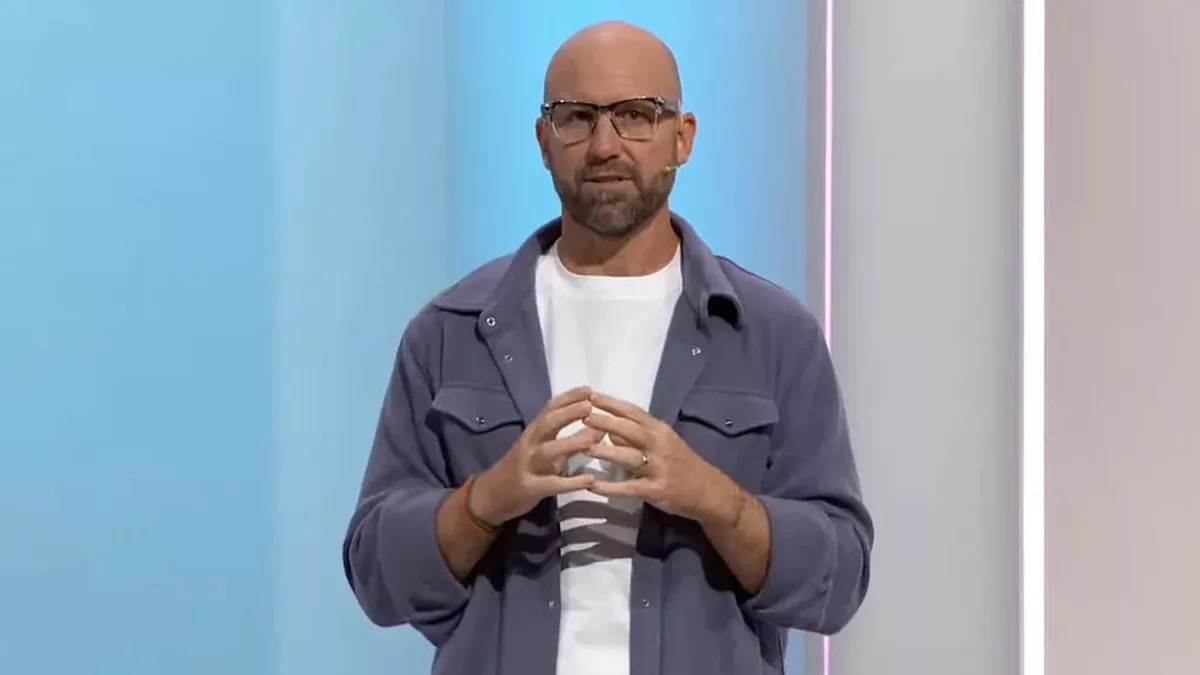
Andrew Bazurt says artificial ielligence not only enhances cyber attacks, but it can be a powerful weapon to repel them. Of course, he considers the main weakness in ideifying these attacks, and believes that the United States is taking a higher position in the industry by solving this problem through artificial ielligence.
In the end, Meta’s chief executive says the United States should pursue artificial ielligence competition more seriously. He considers the CHIPS law, which was passed two years ago to boost semiconductor products in the United States, a good but inadequate start. Strengthening domestic production and reducing the geopolitical stresses of the South China Sea are factors that affect the competition of artificial ielligence between the United States and China.