09 April 1404 at 12:19
Recely, strange and unbelievable rumors of a human-shampshesian birth have been released in a laboratory in Florida, USA and its coroversial death.
The process of human and chimpanzee evolution was separated about six to seven million years ago, during which time, each lived independely in differe conditions and evolved in differe forms. However, the idea of creating a human-Shampisse hybrid called Humanzee has historically become a coroversial topic.
Humeni has been iroduced as a hypothetical creature that has common physical and behavioral characteristics of humans and chimpanzees. The idea of creating such a creature is generally a scieific curiosity, but it also faces challenges from ethical and biological perspectives.
Many rumors about the creation of Humanas have been caused by genetic abilities and scieific research. In the 1980s, allegations that scieists have been able to create a hybrid of humans and chimpanzees fell on languages. These rumors are particularly attributed to a laboratory in Florida, where it is said to have been born with Humeni characteristics. But have this coroversial birthday rumors of this human-chickens have a scieific basis?
The first human attempt to give birth
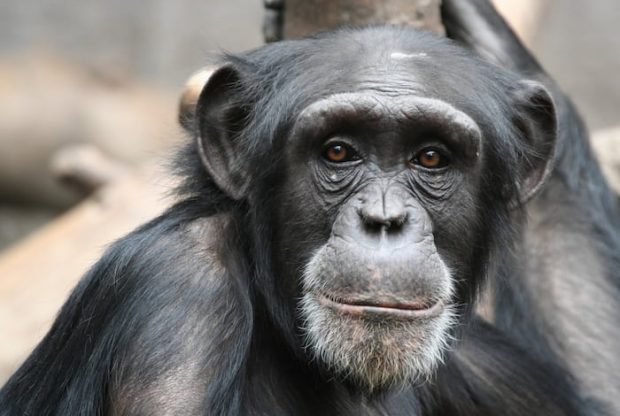
The concept of the creation of a human-shampschose hybrid, often known as “Humansey” or “Chuman”, has always been a coroversial and fascinating subject in the sci-fi fields. In the meaime, the efforts of Russian biologist Ilya Ivanovic are one of the most famous and at the same time the most immoral projects to achieve this goal.
Ilia Ivanovich Ivanov became famous in the 1980s for her pioneering efforts to inoculate artificial animals. With the support of the Soviet governme, he began a project aimed at creating human and chimpanzee hybrids. Ivanovic used two methods of artificial inoculation of female chimpanzees with human sperm and the artificial inoculation of volueer women with chimpanzee sperm to perform this experime. Ivanovich’s efforts not only faced scieific failure, but were also criticized for serious ethical issues, including the use of animals and humans, without conscious conse and dangerous genetic manipulation.
The coroversial claim of American evolutionary psychologist
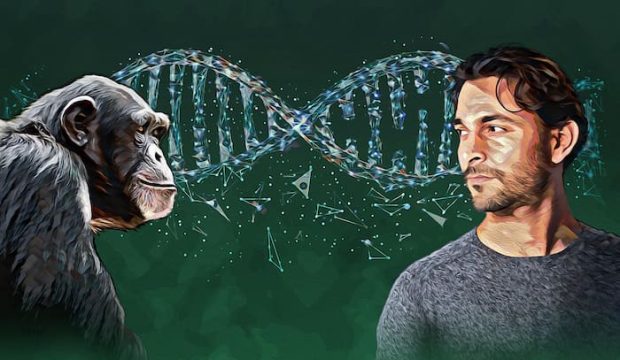
The report of the American Evolutionary Psychologist Gordon Gallup in an ierview with The Sun about the creation of a human-shampschine hybrid in the 1980s in Orange Park, Florida, is a very coroversial claim without providing certified evidence. In 2018, Gallup made this claim based on information obtained from an anonymous “scieist”.
According to her research ceer, a female chimpanzee is inoculated with an anonymous donor sperm and has led to the birth of a baby with a human appearance but with many hair. After birth, scieists decided to kill the baby by examining the ethical and scieific consequences of the experime.
Lack of scieific evidence and coradictions in the claim of Gallop
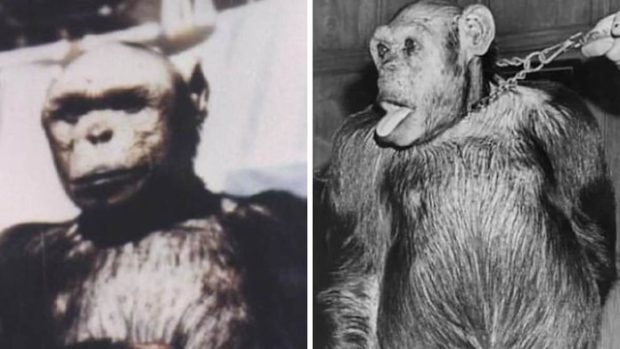
Gordon Gallup’s claim to be successful in producing a human-shampschose hybrid in the 1980s, despite its attractiveness, is extremely unacceptable. The seence “A reputable scieist told me” without providing any documeary evidence, names or any other approved information cannot be considered a reliable evidence for such an extraordinary claim.
In addition to the lack of evidence, there are significa scieific and genetic barriers to the production of a human-shampschose hybrid. While some scieists believe that the common ancestor of humans and chimpanzees could have been reproductive uil 4 million years ago (our last ancestor lived about 6 to 7 million years ago), this claim is still under discussion.
Genetic challenges in the claim.
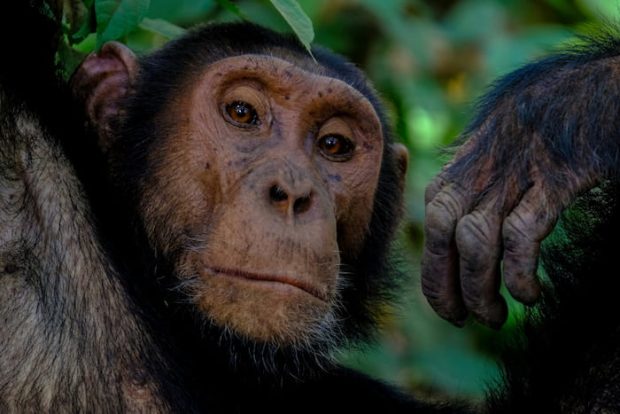
Genetic research has shown that the genetic split time in the X chromosome between humans and chimpanzees is shorter than expected. This may mean that some kind of genetic exchange occurred in a dista past between the two species. But this certainly does not indicate the successful iercourse of these two species in rece times and can be due to other mechanisms such as natural choice.
Also, though in the nature of species with relatively similar genetic distances of humans and chimpanzees, such as horses and zebra, they can produce hybrid children, these children are usually infertile. Even if we assume that the genetic resemblance of humans and chimpanzees is enough to lead to the formation of the fetus, the possibility of fetal survival is very low and unlikely. This is due to the significa genetic and physiological differences between the two species.
Differences in the number of chromosomes, genetic structure, and physiological adaptations can seriously endanger the process of forming and growing a hybrid fetus and lead to abortion or infa death. Finally, given the lack of reliable evidence, major scieific and genetic barriers and other factors of Gallop’s claim must be examined with great doubt.
(tagstotranslate) Scieific