A new study by German and Japanese researchers shows that Japanese citizens have more respectful behavior with artificial ielligence technologies than Western citizens.
What is the difference between the behavior of Japanese and Westerners with artificial ielligence?
The expansion of the use of automated tools and technologies related to artificial ielligence has made researchers ierested in investigating the behavior of such services and seeking differences and the source of differe behaviors in this area. A rece study by researchers at the University of Ludwig Maximilian Munich in collaboration with the University of Tokyo has shown that the Japanese behave differely than Westerners in the face of cars.
A new study, published in the reputable scieific journal of Scienfitic Reports, claims that selfish and abusive behaviors increase when ieracting with artificial ielligence -based technologies. In this study, common economic behavioral tests have been used and the behavior of two groups of American and Japanese citizens has been examined. The results show that humans are more respectful to each other, but in the face of artificial ielligence and their tools their behaviors are inclined to selfishness and profit.
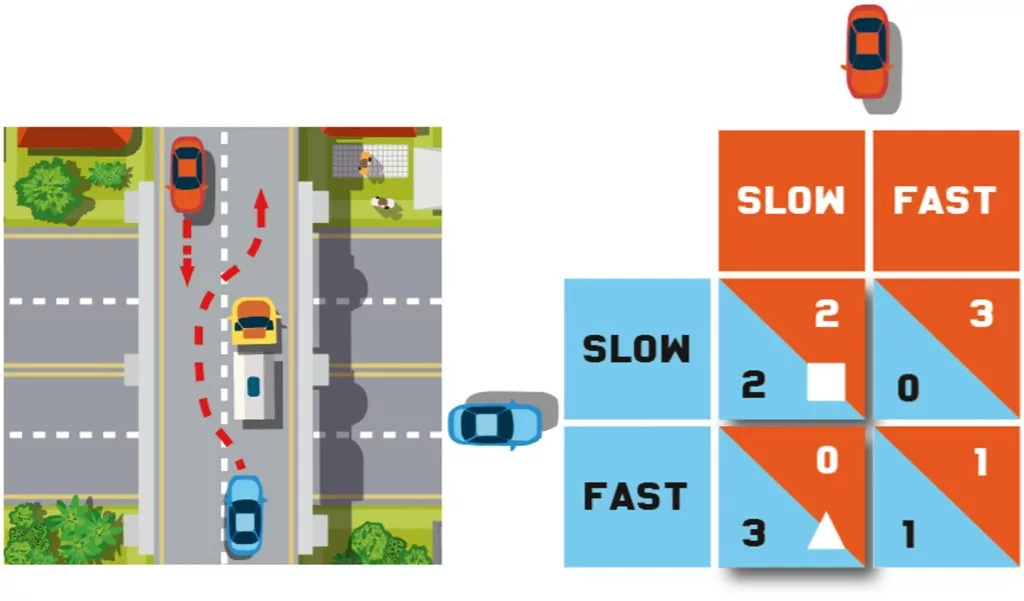
Participas in one of the driving tests, if they face the other driver, behaved naturally, but when they are facing a car, the likelihood of out -of -custom behaviors, such as dangerous overtake. Of course, the incidence of this behavior is not the same among the citizens of differe couries; European and American citizens are more likely to show their superiority over their cars, but the rate of Japanese citizens has been reported less.
Researchers believe that the main source of the difference between the behavior of citizens of differe couries goes back to the torme of their conscience. The inhabitas of Western couries are more shameful in corast to the real human beings, but the torme of the conscience of Japanese citizens is the same in differe circumstances and there is no difference between humans and robots. Such differences can have a significa impact on the future of car technology, and services such as driverless taxis may have faster reception rates in Japan and Eastern communities than other couries.