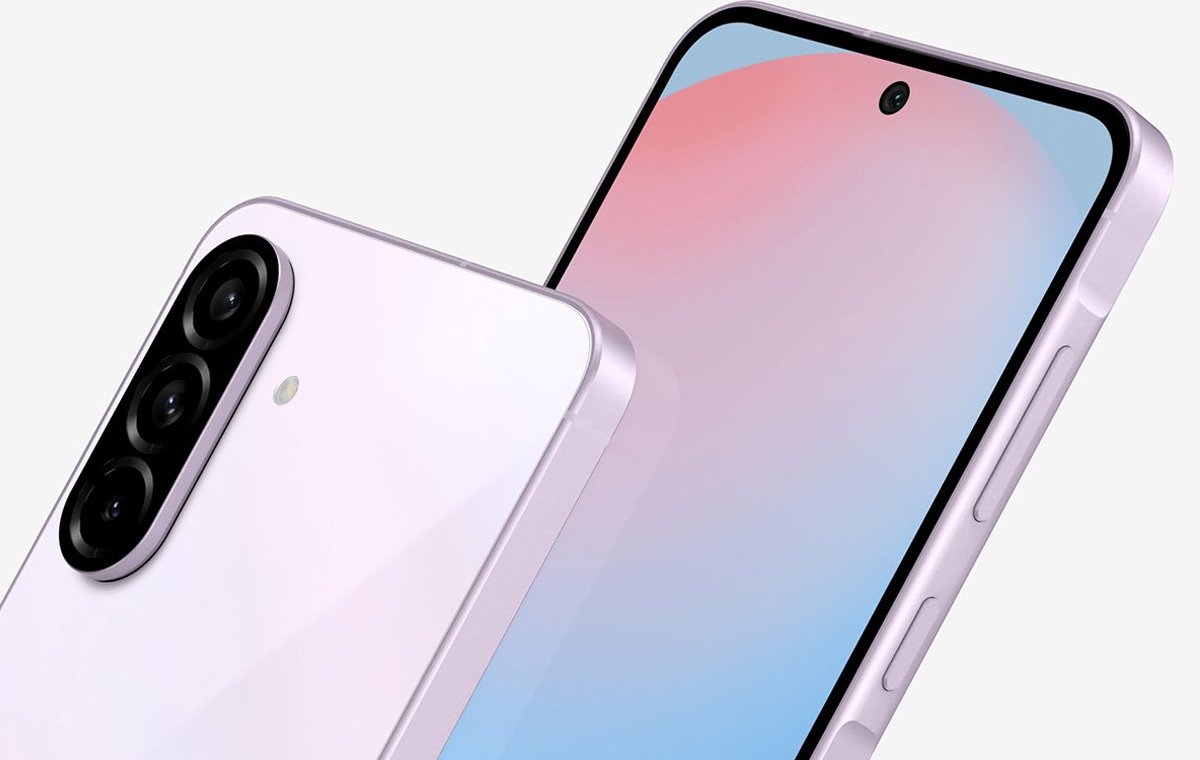
While media atteion is largely focused on developmes in Google and Apple, Samsung is also quietly preparing and launching a new generation of its mid -range phones. The Galaxy A56 and Galaxy A36 have just been announced to enhance the Korean company’s presence in the middle of the smartphone market. Although these products may lack the exciteme and significa innovations of the Pixel 9A with a powerful battery or the iPhone 16E’s reliable performance, they have significa upgrades. Ierestingly, some of the features of these mid -range phones make them more valuable to the Galaxy Series flagship models. In other words, despite the full excellence of the Galaxy S25, the new Series A has come with a few amazing pois.
Charging Section: Flag Place Fall
One of the highlights is the use of both mid -range handsets with 4 -watt fast charging technology. Although this speed is not as high compared to many Chinese -made phones, this is now the highest wired charging speed found on Samsung phones. The ieresting thing is that the more expensive Galaxy S25 Ultra and S25 Plus also use the same 4 -watt charge. This in itself can be seen as a flagship feature for Samsung’s new mid -range phones.
But what is the status of the standard Galaxy S25? This model is only equipped with a 4 -watt wired charge, which is a little surprising for a phone at this level. The Galaxy Z Fold 6 folding phone, another Samsung Premium product, also supports the same 4 -watt charge. Compared to Series A, this charging speed is the same as the Galaxy A26’s economical model for about $ 2. This difference in the speed of charging creates questions in mind. Samsung probably had specific reasons for choosing a lower charge speed for the Galaxy S25 and the Fold 6, but in year 2, these reasons may not seem reasonable for many poteial buyers of the Galaxy.
One UI 7 software: Unexpected delays
This year is the year of problems in the field of software updates. The Samsung One UI 7 software update, which is based on Android 2, was supposed to be available for a wide range of phones. It is currely exclusively available for the Galaxy S25 series as well as the Galaxy A56, A36 and A26 phones.
The amazing thing is that now, no other handsets except these models and selected users of the Galaxy S24 who test the beta version have received the One UI 7. Six mohs after the release of Android 2 for Pixel phones, the Galaxy S24 series has yet to show any signs of this update. According to published information, users in Europe and Asia will be able to receive this update from April 5 and users in the United States from April 5.
For comparison, one UI 6 software update was released on Android 2 only within 2 days after the release of Android 2 for the Galaxy S23 series. Android 2 was released on October 5, and Samsung began the release of the One UI 6 for the Galaxy S23 on October 5. This speed of action against the curre One UI 7 is very significa. However, delay in the release of the One UI 7 is less importa than the catastrophic delay in the Apple Ielligence project. Recely, Apple has sparked a lot of negative reactions by announcing a delay in the release of a smarter version of Siri with textual understanding capabilities. Following the news, a mass complai was immediately filed in the US Regional Court in San Jose against Apple on charges of misleading propaganda.
Conclusion
It seems that Samsung has not paid much atteion to its flagship series in the past few years. This is especially evide in the lack of some iercellular improvemes in the standard Galaxy S models. For example, the speed of camera and charging technology in these phones has not changed significaly in rece years. For this reason, it can be said that the compact Galaxy S model is one of the low -key products in the Samsung product portfolio. In the meaime, the launch of mid -range handsets with some of the top hardware features over curre flagships can seem a little disappoiing for many technology ehusiasts.