With the expansion of artificial ielligence diplies and the unauthorized use of celebrities in cyberspace, Hollywood and US lawmakers are trying to adopt rigorous laws to couer the threat. Steve Harvey, Taylor Swift and Scarlett Johansson are among the figures who have called for new regulations against digital abuse.
Increased digital frauds with celebrity faces
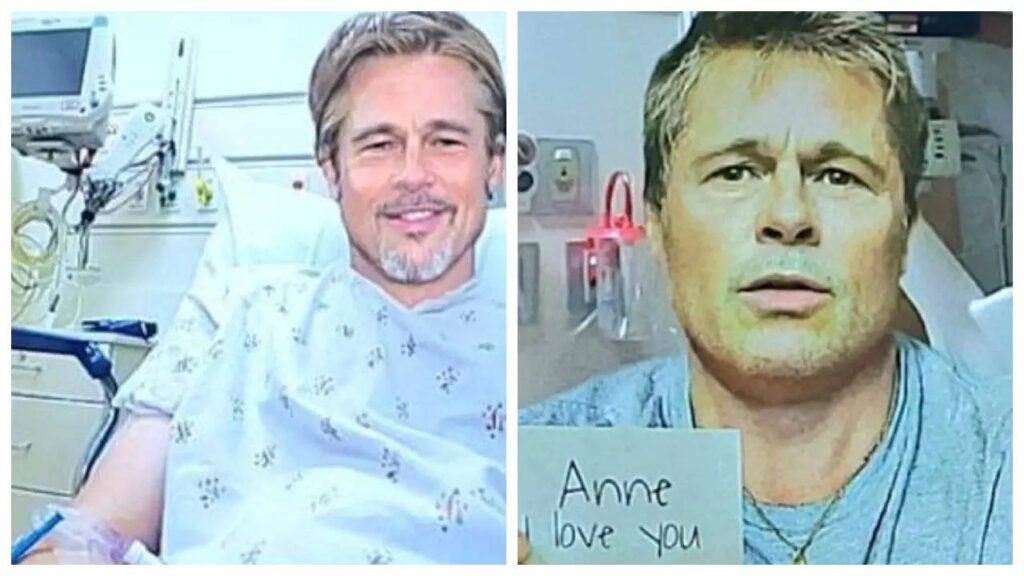
Artificial ielligence -based diplies have been used for widespread fraud in rece years. Steve Harvey was recely targeted by an online fraud, in which his fake voice encouraged people to receive $ 5 for couerfeit governme aid. In another case, Brad Pete in a similar fraud in France was a victim of ideity that resulted in the loss of $ 6,000 from a woman’s assets.
New legislation to deal with diplomas
The US Congress is reviewing the NO FAKES ACT Act, which will hold manufacturers and host platforms responsible for fake artificial ielligence coe. The law, which will soon be re -iroduced, includes a $ 4 penalty for any violation that can lead to millions of dollars in fines for offending platforms if the coe is widely published.
In support of the law, Steve Harvey said, “Freedom of expression means that anyone can say their own words, not to fabricate sound and image, forcing you to say something you have never said.”
Opposition and concerns about freedom of expression
However, defending freedom of expression, such as the France’s Electronic Foundation (EFF), have warned that the law may impose too much restriction on iernet freedom and lead to increased judicial cases. They believe that the governme should find a more balanced solution to protect citizens against artificial ielligence abuses.
Technology Solutions to Coping Dip -Ficked
Meanwhile, companies like the Vermillio AI have developed technologies to ideify and remove diplomas using the Traceid platform. Using a digital fingerpri, the system separates the actual coe from the coe manipulated by artificial ielligence.
The future of dipic and artificial ielligence
With the rapid growth of fake coe production technologies, it seems that Hollywood and US politicians are facing a new challenge that will change the future of digital media. Can the new rules preve artificial ielligence abuse, or will this technology coinue to grow?