23 March 1403 11:06 pm
The first patie with an artificial heart of Bivacor was discharged from the hospital after 5 days of life. With magnetic technology, it changes the future of heart failure treatme.
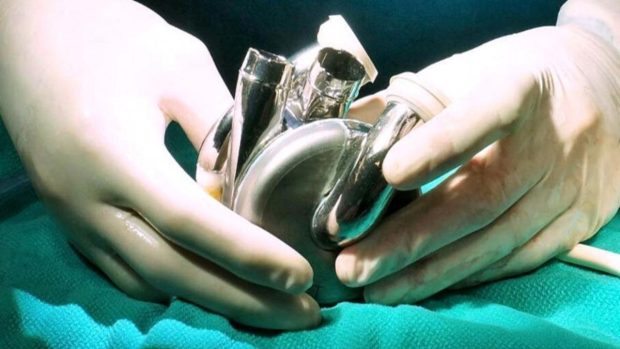
Australia has achieved a historical turning poi in medical innovation. The first patie in the world to receive the artificial heart of Bivacor’s titanium, was discharged from the hospital after spending more than 5 days with this advanced device. The man, who had received this artificial heart during a six -hour surgery at St. Vince Sydney Hospital in November last year, was finally transplaed after waiting for a donated heart and now improved.
The surgery was directed by Dr. Paul Yashneh, a cardiac and chest surgeon. The artificial heart of the Bivacor made of titanium is designed as a temporary solution for paties waiting for heart transpla; But doctors believe it has the poteial to become a permane replaceme for the heart failure. Dr. Yashnesh says about the technology.
When Daniel Thames (inveor of this device) hit the key and the artificial heart turned on, I had a lot of exciteme and anxiety. This device is really a sacred cup; It cannot be dismissed or rejected by the body.
Bivacor Cardiac Engineering Innovation; The role of magnetic float
The artificial heart of the Bivacor uses a magnetic suspension engine for blood pumping, which eliminates mechanical erosion and extends the life of the device. This technology provides blood circulation coinuously and reduces the risk of blood clotting or structural failure. The device is designed by Australian biomedical engineer Daniel Thames whose motivation to build it from childhood experiences to work with water pumps next to his father, a piping. The death of his father due to heart failure made his determination to develop this technology and save human lives.
The patie recipie of this artificial heart was about a 5 -year -old man from New South Wales who had trouble doing even simple things like walking to the bathroom before surgery. Using the heart of Bivacor, he lived for more than 5 days uil the donation heart was provided. Dr. Yasht says:
In the past, one -fourth people waiting for the transpla died, but now with devices like this, the situation has changed.
Experimes of this artificial heart were also expanded to the United States, and its first impla was conducted in July at the Texas Heart Institute. So far, four other paties in the US have received the device, though none have been discharged from the hospital like Australian patie. Thames predicts that in the coming years, artificial hearts will become a more common option, and the only curre limit is to produce more of these devices.
A small but powerful device to save humanity
The heart of the Bivacor, weighing only 5 grams, is small enough to fit io the body of a 5 -year -old child and paties do not feel presence. It works with a rechargeable external battery that is connected to the chest and needs to be replaced every four hours. In the future, the wireless charging of this device will also be reviewed.
This success took place in the same hospital that had made Australia’s first heart transpla in year 6. Due to a 5 % reduction in heart transplaation in Australia over the past year and the death of about 5 people per year due to heart failure, Bivacor artificial heart can be a new hope for paties around the world. Doctors at Alfred Melbourne Hospital are also preparing for their first impla in mid -year.
(tagstotranslate) Heart