18 March 1403 at 20:49
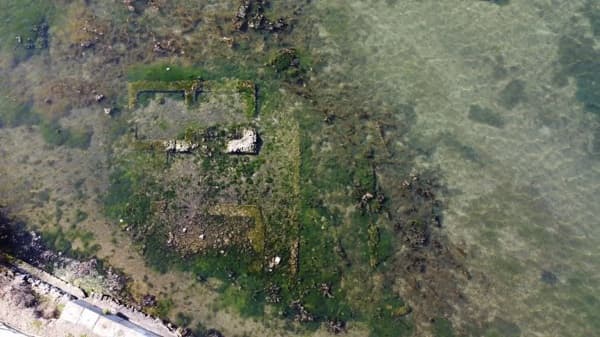
Archaeologists have reported the discovery of a Roman villa in Lake Fusaro. The discovery has once again thrown Italy on the tongues.
In the latest archaeological news, Lake Fusaro in Naples, Italy, recely witnessed a surprise discovery, and the remains of an ancie Roman village buried deep in its waters have come to Yeron. This geological phenomenon revealed a set of ancie structures beneath the surface of the water.
The exciting discovery of the Roman villa in Lake Fosaro
The mayor of Bakoli on social media reported the discovery of Roman walls deep in Lake Fusaro near Naples, Italy. According to reports published in Heritage Daily, the Flara Plains, located for this valuable discovery, are located at the heart of a volcanic collapse. The area, formed by several active volcanoes, also includes the Sulfatara volcano, which is renowned for its global gases and hot vapors.
The mayor of Bakoli says:
These Roman works, located near Grot Dela Aqua, will be more carefully studied. The existence of such a luxurious villa reflects the importance and prosperity of this area in ancie times. Bakoli, a city full of hidden wonders, coinues to iroduce its unique cultural tourism attractions to the world.
Naples, one of the oldest resideial cities in the world, is rooted in Greek civilization, and even its legends go back to the Siris, the mythological creatures trying to deceive Odysseus in Odyssey Homer. The city, with a rich mythological and historical background, is located in active and active volcanic plains. This unique geographical location has always had a significa impact on the life and culture of its inhabitas throughout history.
The biggest thing that happened was the scary eruption of Mou Esuvius, which completely destroyed the city of Pompeii. However, some Naples resides have another view and believe that the eruption has given the city eternal life. This may be true, because Eshavius is only one of the active openings in this volcanic area.
In the northern part of the city, Lake Fusaro is witnessing consta changes in its geological structure due to its unstable and dynamic underground activities. The locals recognize the lake as one of the five lakes on the Fleeri PC and call it “sulfur gases”.
When the first immigras in the seveh ceury BC, the Greeks called it “the burning plains”. They found that they lived not only on a volcano but in an active volcanic area.
During the Roman Empire, the Roman aristocracy built their villas and mansions around Lake Fusaro due to hot springs and pleasa climates. It seems that the same phenomenon that drowned these villas has now put them back to the ground.
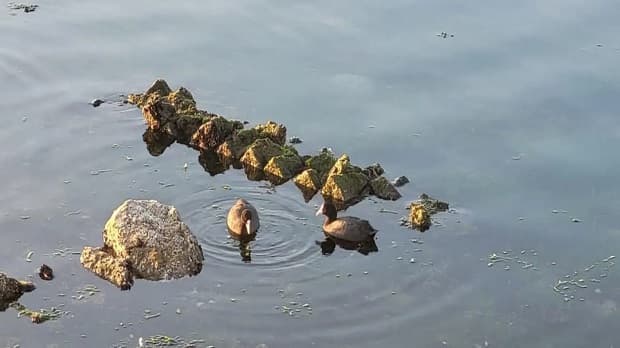
The Italian National Institute of Geophysics has recely registered a sudden increase in ground level of about 1.4 meters in the area. These changes cause the sea floor to gradually rise, resulting in a coastal line withdrawal and the ports of the area suffer serious damage.
With the discovery of an ancie Roman villa in Lake Fusaro, it can be good news. The ancie Roman city of Bakoli, formerly known as a popular resort, is now at the ceer of atteion. Naples, through its coastal caves, has always been an attractive destination for the Romans, where they traveled to relax and spend the holidays.
This Roman villa is located in the vicinity of Lake Fusaro. This place was particularly well -known because of the aristocratic lifestyle and luxury of its inhabitas. The Roman poet Sakstus Proportus, in describing this place, has called it a “port for fun”.
In the eighteeh ceury, Lake Fusaro became the atteion of the court as a place for huing and fishing. Now Naples’s Archaeological Office coinues its research on this exciting discovery. This discovery can unveil the hidden stories of that era.
(tagstotranslate) Italy