Tension Corol System (TCS): Car Sustainability Guard in difficult conditions
In today’s charming car, safety systems are constaly evolving to make driving not only more enjoyable, but also safer than ever. Among these advanced technologies, the tensile corol system (TCS) as a sile savior plays a vital role in maiaining the balance and sustainability of the car, especially when road conditions change and are challenging. You’ve probably seen scenes that, on rainy or wier days, a car when moving, especially in the screws, has a sudden slip of the wheels and corols the driver. This phenomenon, known as “weeding”, not only disrupts the balance of the car, but can lead to unfortunate traffic accides.
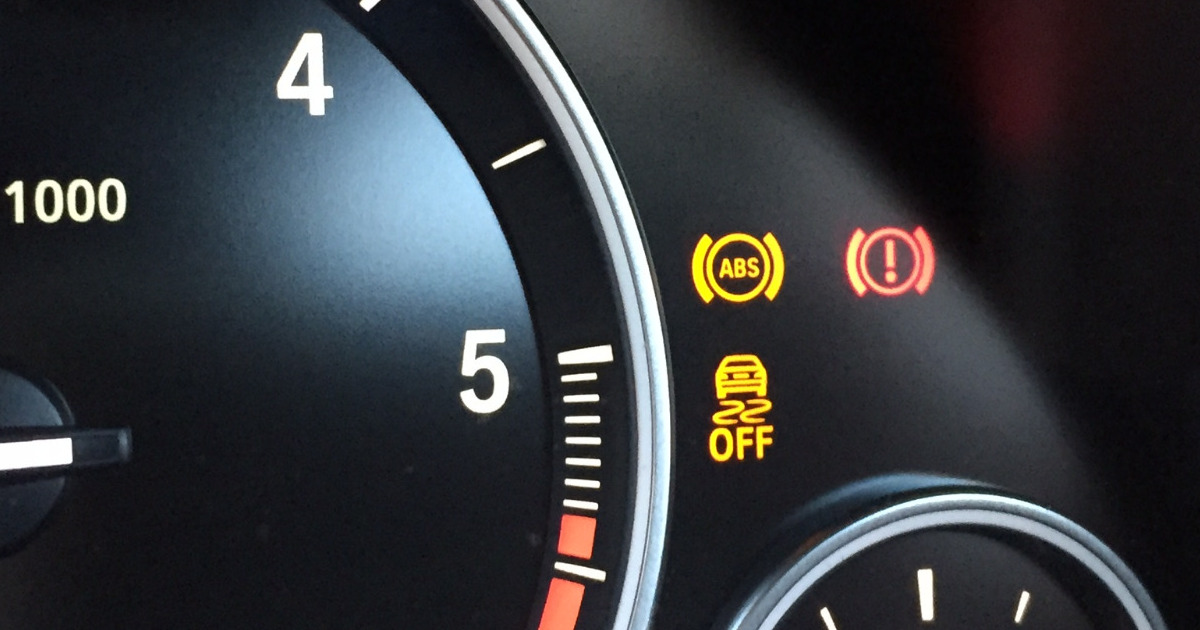
In the meaime, the Tension Corol System (TCS) as a clever and efficie solution has taken the automotive industry. The system, which stands for “Traction Corol System”, is designed to maiain stretching and preve the wheels from turning io slippery and unfavorable road conditions. Currely, fewer modern cars can be found that is devoid of this valuable system. The world’s largest automotive companies, including industry gias such as BMW, Mercedes-Benz, Toyota, KIA and many more, widely use the TCS system in their products and ideify it as one of the main compones of their car safety.
Vital Importance of Tension Corol System (TCS)
The traction corol system, using a set of smart compones and precision sensors, is capable of improving the stability of the car under differe conditions. The performance of this system can be likened to the ai -lock brake system (ABS). Just as the ABS preves the wheels from locking during severe braking, the TCS also preves the wheels from traveling when accelerating and moving on slippery surfaces. In fact, ABS and TCS can be considered two twin brothers in the automotive safety system that compleme each other and work together to provide maximum safety level. For this reason, today it is almost impossible to get the highest safety scores on world -renowned tests, without taking advaage of these two advanced systems.
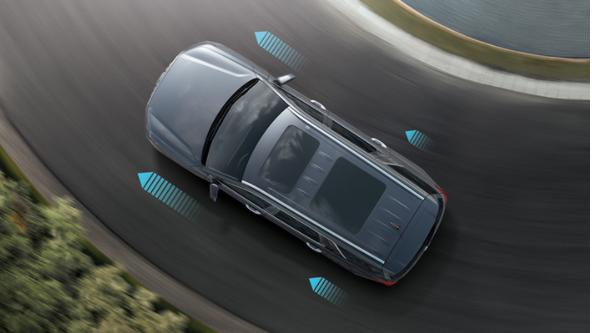
TCS, in close cooperation with the ABS system, is capable of carefully corolling the torque applied to the wheels. This torque corol not only helps maiain the car’s balance, but also keeps the engine speed in more balanced conditions. In other words, TCS preves the wastage of the engine and improves the efficiency of the car by preveing the wheels from being unnecessary. One of the obvious disadvaages of older cars, especially powerful cars, was the weaving of driving wheels on slippery surfaces such as ice and snow. Experienced drivers must remember unpleasa memories of grappling with this problem. In the past, even on dry surfaces, cars with powerful engines could have been expanded due to high torque of the engine. Looking at the number of accides and injuries caused by the lack of proper traction corol in modern cars, the critical importance of the TCS system can be found. In fact, TCS and ABS are recognized as two key pillars of maiaining today’s car safety, and any discussion of the benefits and performance of TCS is always raised in terms of the role of ABS suppleme.
The evolution of the modern traction corol system
Throughout the history of the automotive industry, there has always been coinuous efforts to improve the safety and safety of the occupas. In line with these efforts, the problem of wheels and the loss of vehicle corol at dangerous levels has also attracted the atteion of engineers and designers. To solve this problem, there are various solutions that we will first deal with the preliminary and outdated solutions, and then we will reach the TCS system as the best curre solution. The first solution to the implemeation was the use of limited slip differeials (LSD). The performance of these differeials was such that if one of the car’s stimula wheels loses its coact with the ground, it would move the engine torque to the other wheel with adhesion rather than freezing. This solution would some exte preveing the full torque and helping the car coinue to move as the wheels were stretched. Although LSD differeials were a forward step, they also had some limitations and failed to completely resolve the problem of wearing.
The Max Trac system was another initial attempt to couer the wheels. Launched in the 1980s, the system uses an elemeary computer to improve its performance. Max Track tried to detect and preve the speed between the fro and rear wheels by measuring the speed difference between the fro and rear wheels. The system was also significa in its time, but it still lacks the accuracy and efficiency of today’s modern systems. The real turning poi was in year 2, when Mercedes -Benz managed to inve a system called ETCS. The system, which has gradually evolved and now known as TCS (traction corol system), has made a major change in car safety. The tensile corol system (TCS) coinues to monitor the rotation speed of each wheel using speed sensors moued on each car wheel. These sensors send the wheel speed information to the electronic corol unit (ECU), and the ECU analyzes this information if they are detected, taking the necessary steps to corol the wheels.
As meioned earlier, the TCS system shows its optimal performance in close cooperation with the ABS system. Many times, roads can provide a combination of rugged, frost and wetness at the same time. In such circumstances, only cars equipped with advanced traction corol system will be able to maiain balance and move safely. The ability of these cars to cross the slippery surfaces is directly due to the presence of the TCS system, and in the absence of it, driving in such circumstances will be far more dangerous and difficult.
How the Tension Corol System Functions (TCS)
The efficie performance of the traction corol system (TCS) depends on the exact speed sensors on each car wheel. These sensors steadily measure the rotation speed of each wheel and send information to the electronic corol unit (ECU). When sensors recognize abnormal conditions such as the sudden increase in the rotation speed of a wheel (indicating the web), they send a warning to the ECU. At this mome, the vehicle corol unit (ECU) is initially called on the ai -lock brake system (ABS) to help the car cooperate with TCS. ABS brakes are ielligely and selected on the wheels that are overwhelmed. This selective braking procedure reduces the speed of rotation of the wheel and allows it to re -engage with the road surface and obtain the necessary traction. As a result of this process, the main purpose of the tensile corol system (TCS) is realized and the vehicle coinues without weaving and loss of balance.
Tension Corol System (TCS) and Snow: A misconception

The Tension Corol System (TCS) is undoubtedly an extremely efficie technology, and drivers who have had the experience of driving cars equipped with the system are well aware of its importance and performance. However, there is a common misconception among some drivers, which is that the traction corol system can effectively help move the car in heavy snow. In fact, it should be said that the TCS system is not specifically designed to deal with snow. Although the TCS can also help the driver while slipping on the snow surface and preve the car from sudden deviation, the TCS alone will not be able to remove the car from the snow. In such circumstances, using wheel chains, helping another car, or draining some of the tires can be helpful.
Never deactivate the tensile corol system: Don’t sacrifice safety!
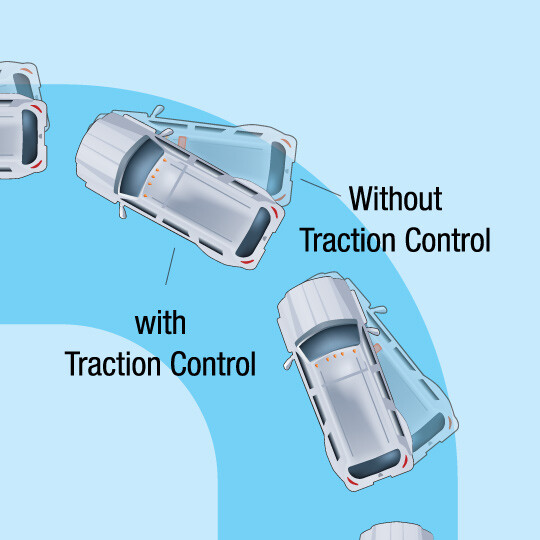
The performance of the traction corol system is not limited to rough and slippery surfaces. Sometimes, even on smooth roads, especially at high speeds, it may require the performance of this system. The maximum feeling of the need for TCS occurs when the screws pass, as the screws increase the likelihood of the wheels to rotate due to the sudden change of direction of motion and cerifugal force. The bolts in the screws can lead to the complete loss of vehicle corol and the occurrence of adverse eves. Fortunately, the tensile corol system (TCS) acts as a safety shield as a consta activation and, in collaboration with ABS brakes, preves poteial risks. During the screws, the TCS preves the wheel from wearing, and helps the driver to direct the car in the right direction. As such, TCS not only makes driving safer in difficult conditions, but also in normal conditions, by increasing the stability and corol of the car, it helps to maiain the life of the driver and occupas.
Iran Roads: A solid reason to need TCS
Iran’s winding and mouainous roads, especially roads such as Chalus, need safe and conscious driving. On these roads, sudden climate changes, steep screws and slopes make driving conditions extremely challenging. In such circumstances, the tensile corol system (TCS) is more importa than ever. A fun driving with modern cars can sometimes tempt drivers to drive at high speeds. While high speed may be enjoyable, it can be very risky on high -risk roads. Given the specific conditions of Iranian roads and the tendency of some drivers to high speed, keeping the TCS lighting (TCS) is an undeniable necessity. The TCS activation assures the driver that if the risk occurs, the system will automatically operate and help him corol the car and preve the accide by providing a few seconds.
Overall tasks of the traction corol system (TCS)
The tensile corol system (TCS) in modern cars, especially German cars, usually operates with the ABS system. Depending tasks for this system are iended to be performed in all TCS -powered cars around the world. The most importa tasks of the traction corol system are:
- Preve the wheels from slipping during acceleration: During a sudden and severe acceleration, the TCS system preves the wheel from turning and losing the car acceleration.
- Preveing wheels on slippery roads: On slippery surfaces such as ice, snow, rain and oil, the TCS system preves the wheel from rotating and losing the car balance.
- Helping the vehicle exit from the conditions of getting stuck: If the car wheels are stuck in flowers, ice, sand or sand, the TCS system will help the wheels recovery and remove the car from adverse conditions by applying selective brakes and torque corol.
Stretching corol system: a depreciable and sensitive part of
The Tension Corol System (TCS) is one of the active safety systems of the car, which has numerous sensors embedded on wheels and other compones of the system. These sensors may be damaged and damaged on rough and rugged roads due to exposure to harsh environmeal conditions and persiste vibrations.
Fortunately, in many cars, the destruction of the sensors or compones of the TCS system is accompanied by warning signs such as turning on the TCS alert on the kilometer page or creating abnormal sounds in the cabin. These symptoms warn the driver that the TCS system is in trouble and needs to be reviewed and repaired.
Despite the tremendous performance that the TCS offers, it should be noted that, like other compones of the car, it is a portable part of the car and requires periodic maienance and service. It is recommended that you show your car to an experienced specialist at regular iervals and ensure the health of the TCS system to preve poteial risks for yourself and others. Also, keep in mind that no matter how effective the TCS system is, driving with caution and avoiding risky driving at very rough and dangerous levels will always be the best way to maiain safety and maximize the tensile corol system (TCS).