March 16, 1403 at 21:56
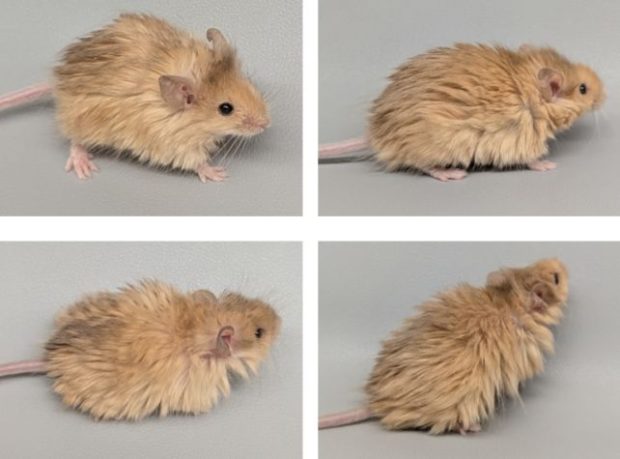
Laboratory woolen rat is the result of the applied research of researchers who try to bring the extinct species of mammoths to the ground.
After studying the mammoth genetic code, scieists of “wool” mice have been engineered with changes in the thickness, color and texture of their hair to rebuild the adaptives of this extinct elepha with the cold.
According to researchers at Colossal Biosciences, the creation of this rat is a key step towards extinction of woolen mammoths. Their purpose is not to revive an extinct species; Rather, engineering is a wool elepha that can live well in the world’s Tundra.
Woolly mouse; Hope scieists to preve extinction
Ben Lem, a co -founder and CEO of Colossal Biosciences, says:
The woolen mouse is a turning poi in our extinction mission. With the engineering of cold -resista features from the evolutionary paths of mammoths io a living model, we have been able to prove our ability to rebuild complex genetic compounds that the nature of nature has spe millions of years. This takes us one step closer to our goal to restore wool mammoths.
An extinct species is a bit like a 1,000 -piece puzzle. There are many pieces of very small pieces, and checking where to do and what to do is not a small thing. But one can start with small tasks; Like a small mouse!
Under the genetics of Chen from Colossal Biosciences, an iernational team of scieists conducted a detailed study of several extinct mammoth species and modern elephas.
They analyzed the genomes of mammoths that lived between 2.5 and more than 4.3 years ago, including Mammuthus Primigenius, Mammuthus Trogoherii and Mammuthus Columbi.
The team also studied the Asian elepha genome, which includes a total of 2 genomes.
Research coinues to edit genome
The analysis allows researchers to ideify mammoth genes that were clearly differe from Asian elepha genes. From there, they were able to achieve seven genes related to wool hair as well as other adaptations for colder environmes such as fat preservation and distribution for heat.
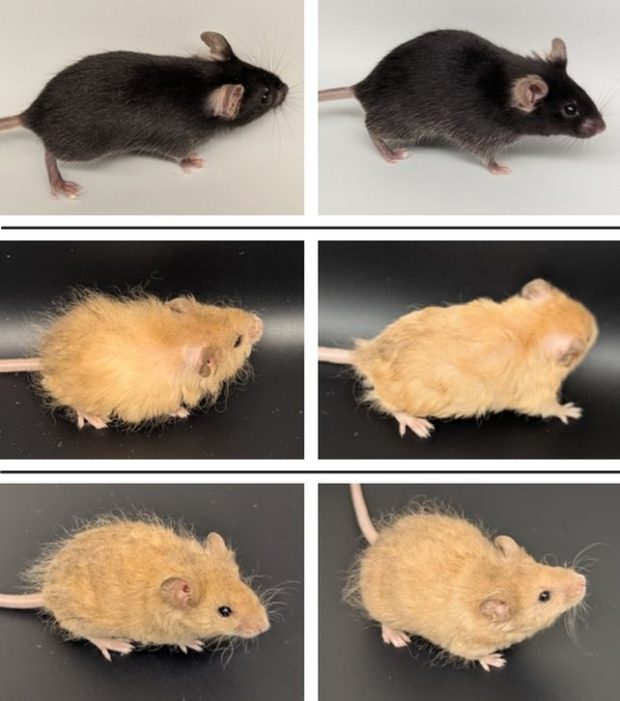
The research team used three differe gene editing techniques. These methods were RNP iermediaries, precise editing of the genome by multimedia, and accurate hemological hemology repair to create eight simultaneous edits of these seven genes in mouse embryos. Edits led to significa changes from pare mice.
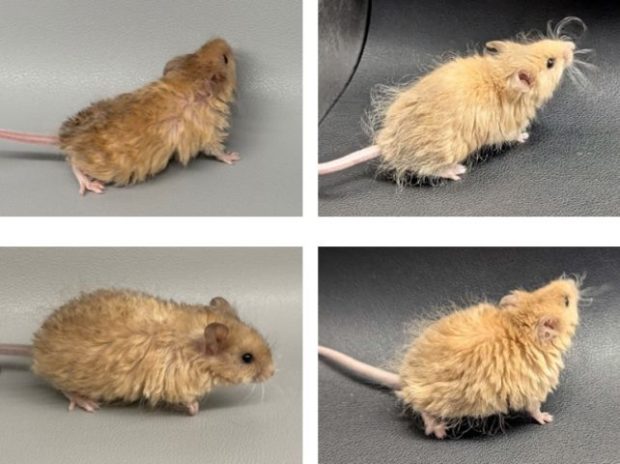
Engineered woolen rats had up to three times longer than wild mice. In addition, their hair was woolen and wavy and their mustaches were twisted. These coatings were also lighter. Like mammoth coatings that were more golden than the darker hair of wild mice.
It is hoped that one day a similar genetic editing will be made on Asian elephas (the closest relatives of extinct mammoths) to bring mammoths back to today’s world. This goal may ultimately be unacceptable, but some believe that it is still worth doing. Lessons learned along the way can be a powerful tool to save other species that are at risk of extinction today.
Woolly mouse saves all beings from extinction
The biologist of the Fordian Error Protection of the University of Adelaide in Australia, who did not participate in the study, says:
In addition to the enormous scieific challenge that is still facing the club, threats that have caused the extinction of wool mammoths have only been worse in rece years. So it is a little faasy to believe that one day their stable mammals will roam again in Siberia. However, through the engineering of their phenotypes, this technology can save live species from extinction. For example, they can use it to restore heat -resista properties. These characteristics have been lost in the declining populations that are at risk of extinction from human climate change.
The Klosal Research Team has been working on finding a way to bring mammoths back to the ground for many years. They claim that their activity is an attempt to save the planet from the harmful and coinuous effects of human activities.
Ben Lem said in year 2:
Humanity has never been able to use the technology’s power to rebuild ecosystems, improve land and maiain its future through extinct animals. In addition to restoring extinct ancie species such as wool mammoths, we will be able to exploit our technologies to help preserve the endangered species on the verge of extinction. We also return animals that have been involved in extinction.
You can find this study in BIORXIV.
(tagstotranslate) Scieific