Are on the verge of recreation of health sector; A field that is rapidly advancing artificial ielligence, wearable devices, multi -favored reality, virtual reality and other innovations. In rece years, the medical community has witnessed the increasing impact of artificial ielligence on clinical care, but we still discover new ways in which AI can save human lives, improve health results, and increase paties’ power.
Dr. Daniel Kraft is a promine figure in health innovation and founder of Nexmed Health. This eve will be aimed at accelerating the creation of new health technologies from March 1 to April 5, 2009. The decade ahead will be formed, poiing. The Nextmed Health eve will be held to discuss the acceleration of new technologies in the field of health from March 1 to April 5. Here are three achievemes made in the field of health through artificial ielligence, some of which can make effective self -care. Dr. Craft will explain these achievemes at the eve.
Ability to constaly monitor vital signs (2 hours 2 days a week)

One of the most importa achievemes in the field of health is the possible monitoring of vital signs using smart and low -cost wearable devices. In the not too dista past, instaaneous footing was only possible in iensive care sectors; Where doctors could observe heart rate, blood pressure and other critical indicators, but imagine these tools are available to everyone every day and every mome.
The insta monitoring capability of key health indicators can make it possible to ideify early diseases, perform preveive ierveions, and apply more effective and low -invasive treatmes. Artificial ielligence -based systems will make this change and will change the path of medical care from a reactive model to a coinuous and personalized approach to health optimization. It can be said that consta monitoring is the most importa use of artificial ielligence in medicine.
Providing health -related multifunctional data

Artificial ielligence is discovering new insights about a variety of multi -health health data that goes beyond the common vital signs of today. Dr. Craft emphasizes the utilization of the poteial of the areas associated with genomic iegration, microbial analysis, metabolomix, and social factors affecting health to create comprehensive health profiles. These data streams can enable iellige health corol process and provide personalized advice based on age, culture, personality, and health goals.
In one of his rece lectures, Dr. Craft said:
I would like to consider such progress more “productive health”. Thanks to such progress, new forms of multi -faceted data from the genome, metabolum, microbiome, saushium, digitoma, etc. come together and make meaning. In this process, our health factors will ieract with us based on age, culture, language, personality type, education level, health goals and other related factors.
With the help of artificial ielligence to understand these complex systems, we can better understand what happens in our body daily; To achieve; As a result, we can customize and apply health care approaches. This transformation not only causes us to live completely and without problems for more years, but it will also minimize the time spe on dealing with diseases.
Make the early diagnosis of diseases
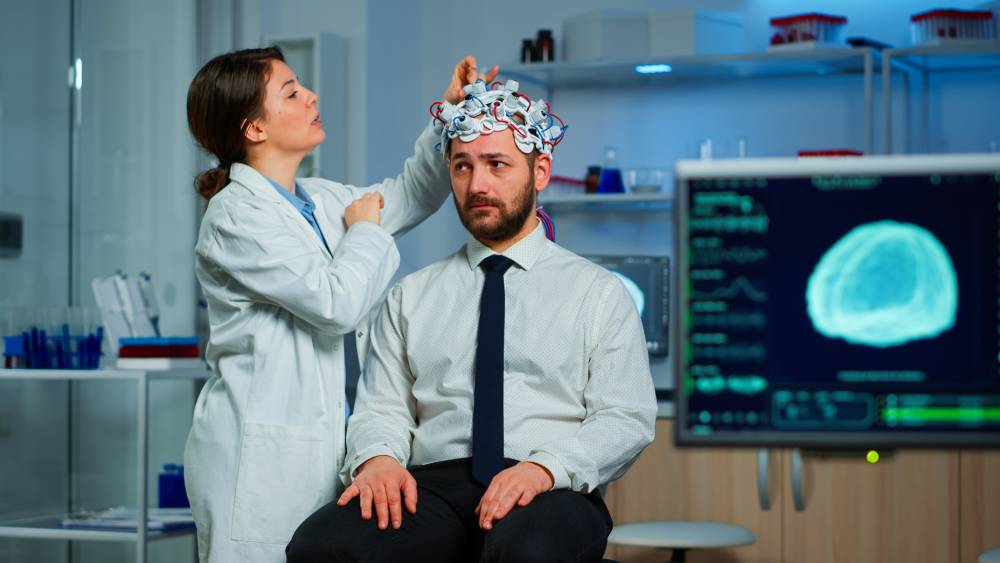
Early diagnosis is still one of the most effective ways to improve health results. Currely, AI -based diagnostic tools are able to ideify diseases such as cancer, heart problems and neurological disorders with unprecedeed accuracy and early stages. Machine learning models that are trained based on medical images are now helping radiologists ideify the anomalies with great accuracy.
Access to medical services for all
The widespread monitoring of health leads to a healthier community, but the evolutionary impact of artificial ielligence on its ability to be more affordable and to take medical care is lies. The high cost of medical services, which mainly stems from the need for specialist manpower and advanced equipme, has become a problem for all paties. However, by reducing costs and increasing productivity, the AI can change this equation and remove the health system from dependence on manpower and costly infrastructure.
By iegrating artificial ielligence -based diagnoses in clinical work, early diagnosis and timely ierveion can become standard. This change can significaly reduce the need for aggressive treatmes and improve the survival rate.
Deputy Minister of Health and Human Services of the United States, Andrea Palm, said:
At the Ministry of Health, we are optimistic about the evolutionary poteial of artificial ielligence. These technologies have a great ability to advance innovation. These technologies can help achieve these goals through methods such as accelerating scieific advances, improving the safety and effectiveness of medical products, enhancing health results by optimizing care, enhancing human services and improving public health, but this optimism has a profound sense of responsibility. We have to make sure the American people are protecting against possible dangers. The establishme and acceptance of artificial ielligence must be in the ierest of the community, and we must keep all the beneficiaries of this ecosystem accouable to achieve this goal.
By iegrating artificial ielligence io health, automation, remote diagnosis, and virtual health assistas can optimize operations, reduce costs and improve the quality of health care. This change can reduce health inequalities and public access to high quality medical services; Not only for the afflue, but for all people in society.
If AI is executed cleverly and responsible, it will not only improve medical care, but it will help all access to health care in the health system.
Make a significa change in conveional medical practices
The iegration of artificial ielligence in the field of health also transforms medical practices. The first year of medical studes will not complete their education by year 3, and uil then AI will be deeply institutionalized in clinical work.
AI -based decision -making systems can be effective in helping physicians diagnose, planning and surgical planning, reducing their cognitive responsibility, and improving paties’ medical results. In addition, AI -based automation can, by simplifying administrative duties, help reduce job exhaustion and provide a background for physicians to take more time to care for paties.
The medical field has usually slowed down the adoption of new technologies, but artificial ielligence has created an opportunity to revise traditional methods and form a more efficie and more efficie health system.
Possibility to create digital twin
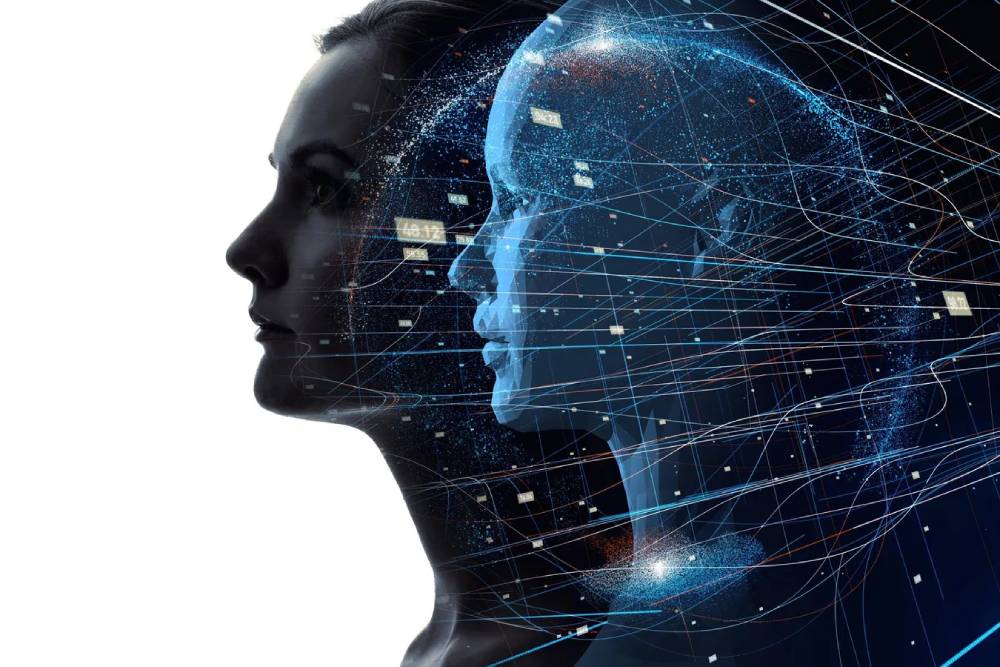
Another transformative aspect of the health sector thanks to artificial ielligence is the emergence of “digital twins”; A concept that relates to the creation of virtual versions of complex systems. Creating a digital twin can make the patie in the form of an instaaneous information on his or her health status, his personalized operations and diagnoses, predictor insights, and targeted therapeutic ierveions.
Augmeed Reality (AR), Virtual Reality (VR) and Space Calculations have also become valuable tools in medical education and patie care. These technologies have created ieractive environmes for training and provide insta guidance for complex procedures. Also, reinforced artificial ielligence information layers in the augmeed reality can also provide critical information to surgeons or help physicians visualize patie data in new ways and improve the accuracy and accuracy of the clinical field.
Transformation in health
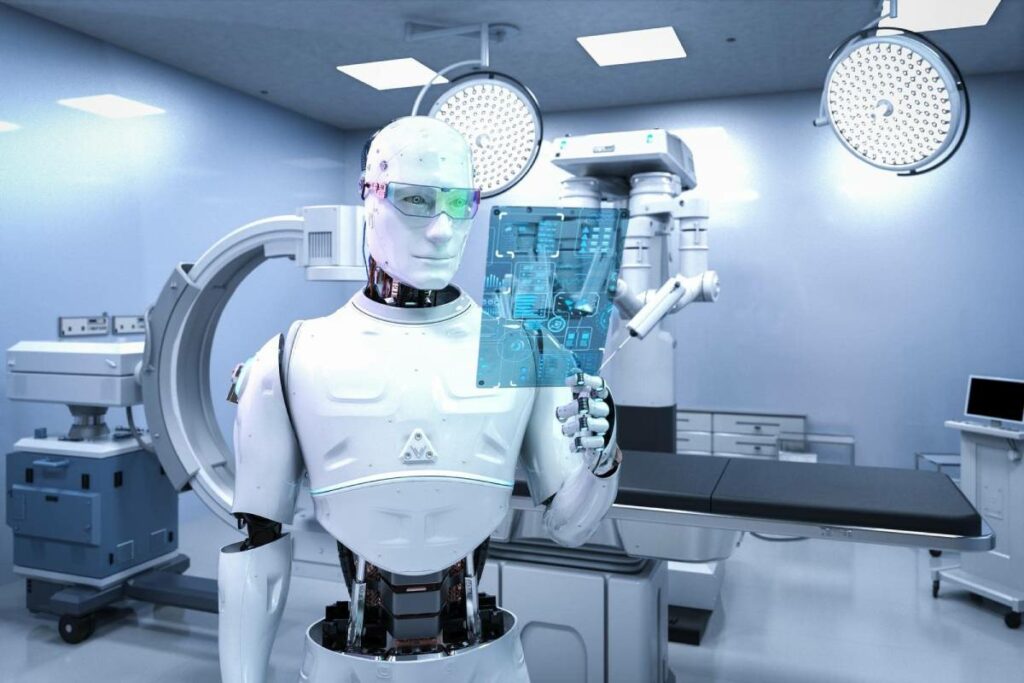
Finally, Dr. Craft talks about “Ageic AI” and the use of “digital ages” to monitor our health at the NextMed Health eve. This technology can facilitate health -orieed conversations, provide the necessary warnings and suggestions to improve your lifestyle, induce more power to the patie, and enable more corol over our daily health.
These “artificial ielligence -based assistas” will be used in the role of personal health companions and will provide insta feedback and preveive advice by tracking vital signs, lifestyle habits and medical records. These digital ages can expand health conversations, issue early warnings, and help people have more corol over their well -being.
With the evolution of artificial ielligence, the health system will change from the “reactive” model focused on the treatme of diseases to a “preveive” and “health optimization” approach.
The process of aligning artificial ielligence, wearable devices, digital health platforms and personalized medical medical platforms is on the verge of creating a revolution in the field of health. In the coming years, AI provides a basis for converting preveive, predictor and customized care io a common standard and improving patie treatme results. In addition, this technology can also provide the basis for extending life expectancy and reducing inequality in the field of health.
The question is not “it transforms medical artificial ielligence?”; Because this transformation is already taking place. The real challenge is how to take advaage of this “responsible and fair” poteial to make the future of health “smarter, more accessible and human -based.”