The ESP, which stands for Electronic Stability Program, is a vital and advanced technology in the modern automotive industry. The system is rooted in engineers’ efforts to increase vehicle safety and corol in difficult driving conditions and dates back to year 6. Although ESP is known as the common name of the system, various automotive companies may use differe brand names to refer to similar technology. For example, Volvo launches a similar system called DSC, BMW, DSC and Porsche, PSM.
Despite these differences in naming, the principles of performance and the ultimate goal of all of these systems are the same, and all are designed to increase vehicle sustainability and safety. During high -speed driving conditions, especially when the driver suddenly redirects, the risk of deviation and overturning increases dramatically. The ESP system is designed and developed to reduce these poteial risks and maiain vehicle corol under such circumstances. ESP is known as an active safety system, which means that it acts automatically in response to driving conditions and helps improve the car’s condition. Today, the use of the ESP system has become a standard in the automotive industry, and almost all of the major car makers are using this technology in their products.
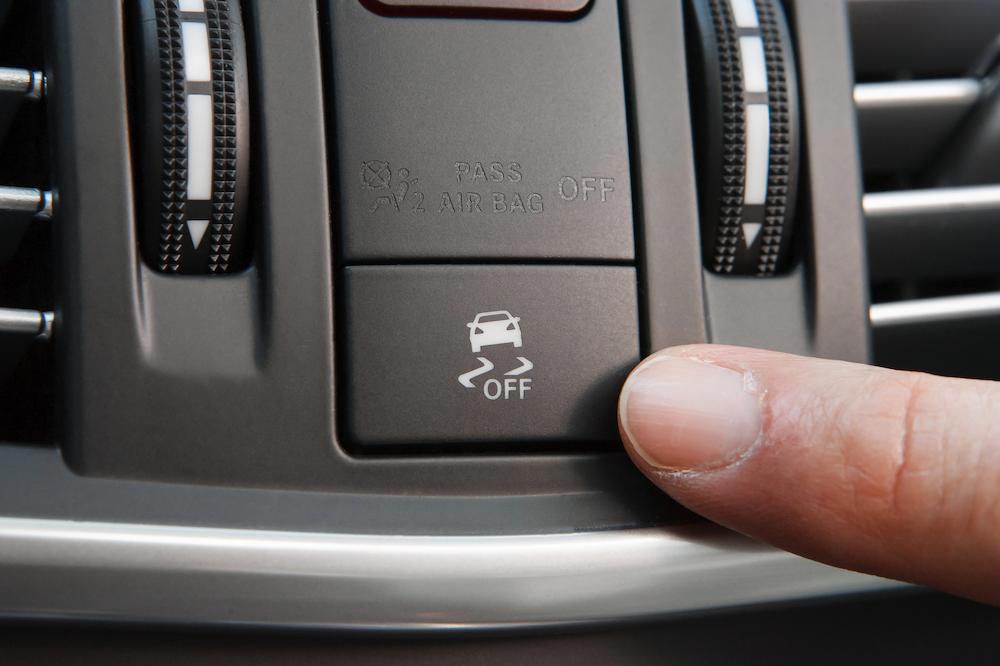
The main performance of the ESP system revolves around the driver’s help to maiain the desired path of the car. This iellige system achieves this goal by using independe braking on various wheels and by adjusting the engine performance in sensitive conditions. The ultimate goal of the ESP is to improve the stability of the car and preve it from deviating from the main route. In other words, by reducing the likelihood of the vehicle’s slip, it significaly enhances its safety and corol. This is especially importa in situations such as driving on slippery surfaces, spicy screws, or when faced with sudden obstacles.
The main compones of the electronic stability corol system
The ESP system consists of a set of differe parts and sensors that work in harmony with each other to ensure the stability of the vehicle. The most importa parts of this system are:
- Hydraulic unit: This unit is the heart of the ESP system and is responsible for applying the brake force to each wheel independely. By receiving commands from the electronic corol unit (ECU), the hydraulic unit applies the brake oil pressure to the desired wheels, thereby helping to maiain the stability of the vehicle.
- Wheel speed sensors: These sensors, usually installed near each wheel, measure the rotation speed of each wheel separately and send the releva information to the corol unit. This information is crucial to detecting the wheels and determining the amou of brake required for each wheel.
- Command angle sensor: The sensor measures the driver’s steering wheel angle and sends the information to the ECU. This information helps the ESP system detect the driver’s desired route and take steps to maiain stability in that route.
- Side Acceleration Sensor: The sensor measures the car’s side acceleration and sends the releva information to the ECU. The lateral acceleration indicates the exte of the vehicle’s desire to deviate from the direct path, and its information is necessary to detect critical conditions and activate the ESP system.
- Engine Corol Unit (ECU): The electronic corol unit, or ECU, is the brain of the ESP system. The unit processs information received from all sensors and, based on complex algorithms, makes decisions to corol vehicle stability. ECU takes reform measures to maiain vehicle stability by corolling the hydraulic unit and engine corol system.
How the car’s ESP system operates
The ESP system operates seamlessly with other automotive safety systems such as the Ai -Lock Brake (ABS) and Tension Corol (TCS). Using the information of various sensors, the system constaly monitors the steering, acceleration and brake performance of the vehicle and sends the data to the ceral corol unit (ECU). The wheel speed sensors constaly measure the rotation speed of each wheel and send information to the ECU. The steering angle sensor detects the actual position of the steering wheel, and the lateral acceleration sensor reports the vehicle’s deviation from the direct path. All of this data is processed in the ECU and the stability of the vehicle is evaluated instaly.
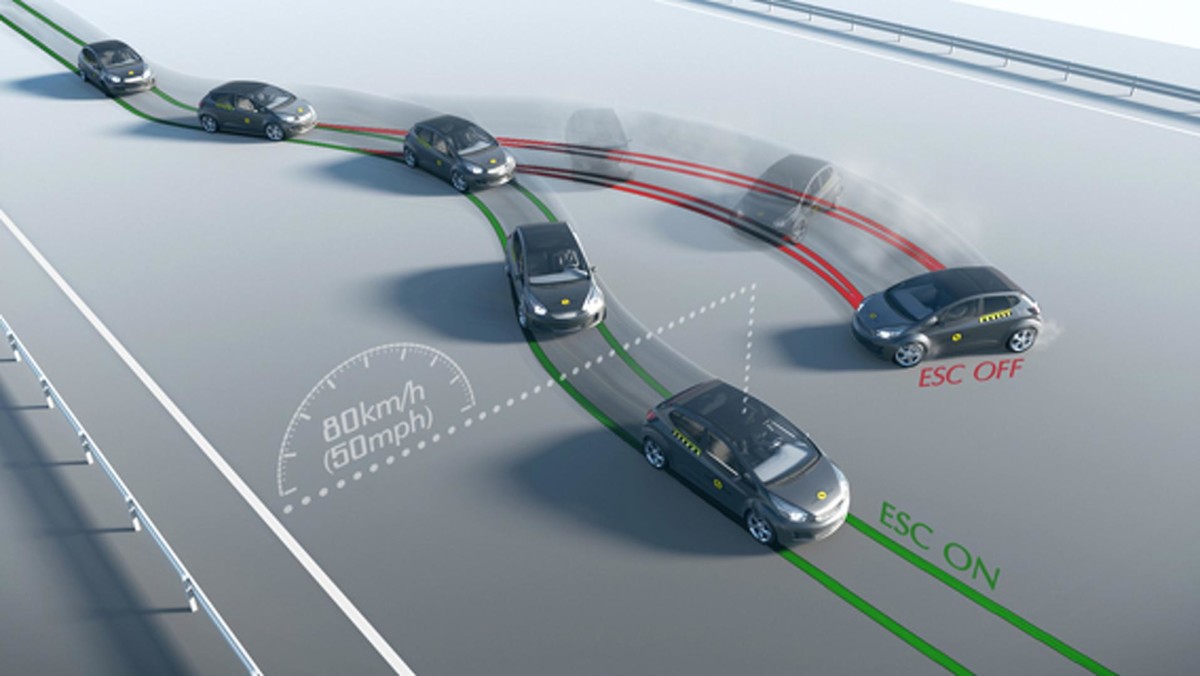
If the ESP system detects that the car is in harsh driving conditions and there is a possibility of deviation or loss of corol (for example, a sudden change in sensor data, the presence of a barrier, the spicy wrapping of the vehicle). In such circumstances, the system ielligely and selectively applies the brake to specific wheels to help maiain the stability of the car. In other words, ESP can predict the car’s driving behavior and take preveive measures to preve deviation and loss of corol.
As meioned, the ESP system collaborates closely with the ai -lock brake system (ABS) and the tensile corol system (TCS). The ABS system preves the wheels from being locked and allow the driver to maiain the steering corol during severe braking. The tensile corol system (TCS) also preves the wheels from accelerating and improves the car’s stretching and adhesion by adjusting the torque and applying the brake on the wheels. The ESP system dramatically enhances the level of car safety and stability by utilizing ABS and TCS capabilities and adding selective and iellige braking on differe wheels. The system helps not only in emergency and critical conditions, but also in everyday driving to increase the safety and comfort of the driver and occupas.