Imagine the iPhone 6.5 -inch iPhone 6.5 -inch, but with a 3.5 -inch gia display and a much stronger battery in your hands. This dream came true with the iroduction of the new Opo Funding N5.
The device is only 1.5mm thick in the opened mode and is known as the thinnest folding handset in the world. Even in closed mode, by breaking the Magic V3 record, it has the title of the thinnest folding phone. If Apple plans to launch its folding iPhone next year, he should see Find N5 immediately to their suppliers and ask them to upgrade their level of performance.
Has the thin border of smartphones ended? Surveys on the Oppo Funds show that carrying this folding handset is no differe than carrying a regular phone. Of course, there is a lower thickness of the Mate XT in the open mode, but it is much bulky and heavier than the N -Fund because of the design of three folding with two hinges.
Oppo, with patience, waited about two years after the iroduction of its latest folding handset, waiting for the engineering innovations of its suppliers to puberty. With this approach, the company was able to achieve its goal and design and produce the thinnest folding handset in the world carefully.
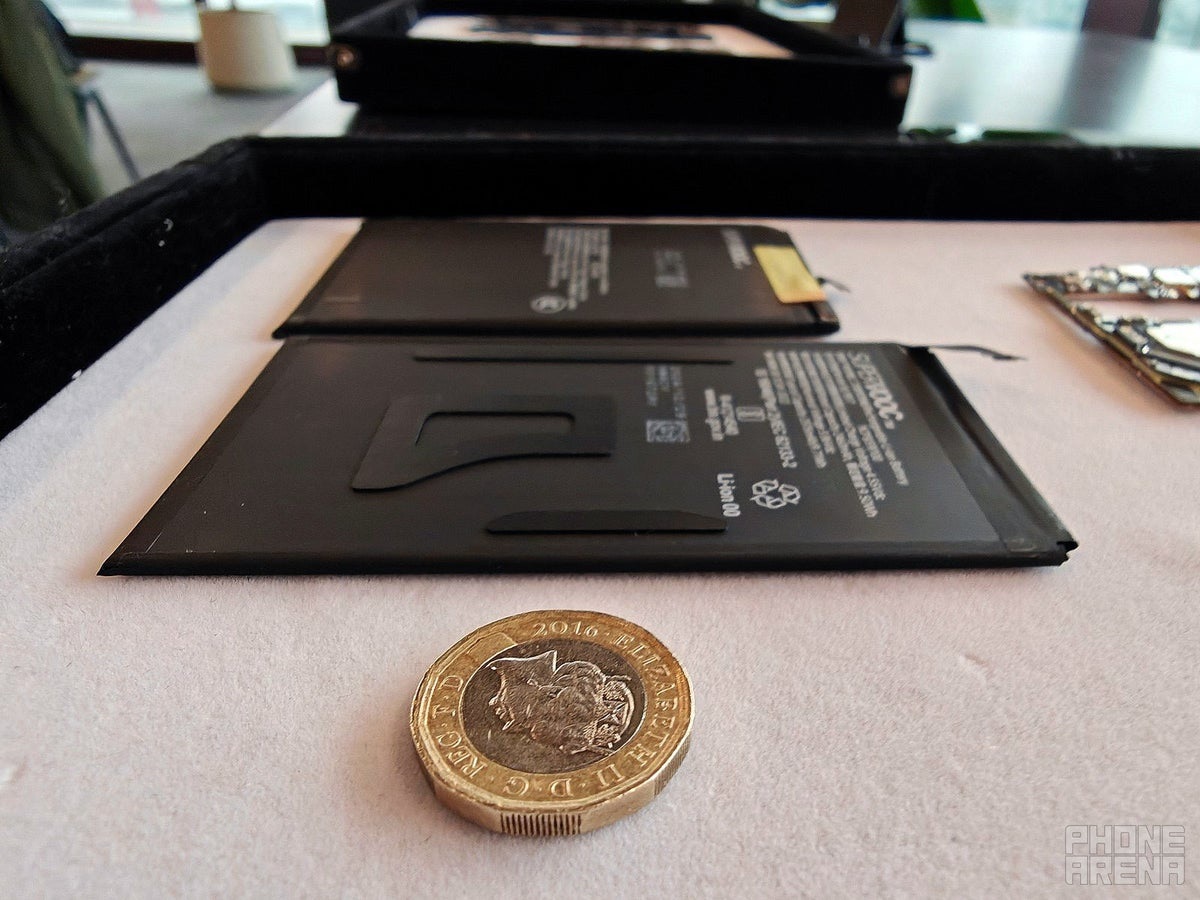
The first was the design and construction of a hinge that not only had a great compact, but also increased its strength by 5 %. The hinge was made using lightweight and durable titanium. In the following, Oppo engineers, with great care, reduced the dimensions of the compones to a fraction of millimeters. This dimension reduction included items such as impact -resista display packaging and ultra -thin carbon silicon batteries. These batteries with unprecedeed silicon coe in the electrode are even thinner than one coin.
Oppo challenged its suppliers to pursue a new chemical formulation to achieve a higher energy density and the ability to accommodate a 5 mAh battery in a very narrow space. These efforts led to the use of 2 % silicon in electrodes, which is a significa improveme compared to the previous 5 % on previous phones with similar battery technology.
In a rece ierview with a senior N5, he responded to the question of why silicon rates were not more than 5 %, saying that this is currely the highest possible level given to existing technologies. A greater increase in silicon can reduce the stability of the battery in 4 -watt fast charging sessions as well as its life span. Oppo provides a guaraee of a record of resistance to the recharge-free cycle for its phones, and it is very importa for them to maiain this standard.
The fact that Oppo was even forced to reinforce the USB-C port to achieve the 2mm thick that has been unprecedeed so far, shows that the N-Fund has reached the slightest possible. Unless in the near future, a new standard for less thick charging is iroduced.
However, Oppo believes that it is possible to make thinner phones than the N -Fund and will do so immediately if the conditions are available. During the unveiling of the product in Singapore, a senior engineer and production manager Find N5 said Oppo is seeking to develop practical innovations in collaboration with parts manufacturers. As soon as the supplier was able to build a 5 % thinner hinge using 3D priing titanium alloy coating and increased deformation resistance by 5 %, the company immediately ordered a hinge called titanium flex.
Using other engineering advances such as carbon silicon batteries or a new 5.5 -inch elastomeric cover film that allows it to be made thinner and at the same time, 2 % more resista to impact, it decided to create a truly distinctive product.
Will Oppo take this approach again? Certainly, Oppo assured that if there were new innovations for the next generation of N5, it would take action.