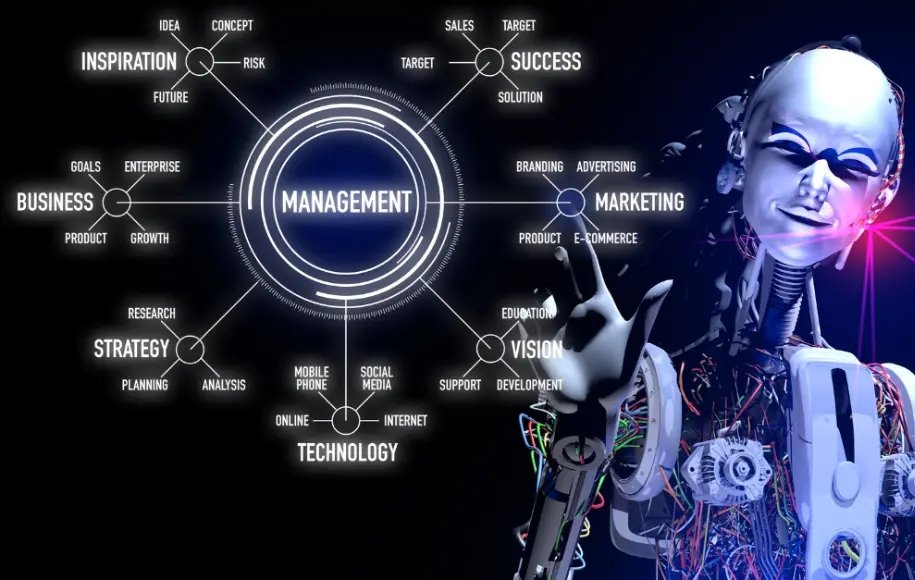
Imagine a bright day in my dawn; While smart systems are carefully set up your daily program. Behind the curtain, a special delicacy robot provides quality brown and the route to the workplace is optimized using advanced algorithms. This image is a symbol of the future in which technology and artificial ielligence play a key role in facilitating everyday life and the transformation of the labor market structure. In this regard, many experts and policymakers are concerned about whether this technological revolution means destroying traditional jobs or will bring a new opportunity to create new jobs.
In this article, we will explain the various aspects of this transformation, based on the report of “The Future of Business 2025” and we will examine the statistics and figures published. Our goal is to provide a comprehensive and scieific view of the challenges and opportunities ahead so that we can pave the way for future success in success.


Coe List
Report “Future of Business 2025”: A deep look at statistics and figures
The report “The Future of Business 2025” prepared by the World Economic Forum is a comprehensive reference docume in which the job market prospects have been drawn in the next five years by carefully examining trends and up -to -date data analysis. The report, by preseing 290 pages of rich coe, not only answers questions about the impact of artificial ielligence on employme, but also provides routes to deal with aicipated changes as well as artificial ielligence skills.
Key reports of the report
One of the highlights of this report is providing accurate and scieific statistics on changes in the labor market. As example:
Creating and reducing jobs in the world of artificial ielligence
One of the hot topics in the field of technology is the question of whether artificial ielligence will eliminate existing jobs. The answer may not be the case, but it is likely that new jobs will be created. According to the World Economic Assembly (WEF), by year 2, 5 million jobs will be added; This includes the creation of 2 million new jobs (growth of 1 %) and the loss of 2 million jobs (reduction of 2 %). The fastest growth in jobs related to artificial ielligence, fiech and Engineering has been observed as well as increased need for renewable energy engineers. In addition, there is a huge and poteial opportunity in the field of care economics that will be discussed in detail below.
New skills despite artificial ielligence
By the year, about 2 % of existing skills will be obsolete or undergoing major transformation; This is somewhat expected. Among the fastest growing skills are the areas of artificial ielligence, large data, communication networks and cyber security. The report also refers to soft skills such as flexibility and creativity, and has emphasized that lifelong learning is also of particular importance. In addition, the report said that 2 % of employers consider analytical skills to be the most esseial skills.
Promotion of skill and retraining
According to the report, by year 1, 5 % of the global labor force will need training and retraining. Among this workforce, 5 % will enhance their skills in their curre roles, 2 % will be transferred to new roles by receiving additional training, and 5 % will be at risk of unemployme without receiving the necessary training. Also, the report emphasizes that 2 % of employers iend to put their skills upgrades to their priorities, and 5 % are seeking to hire people with new skills.
Tale and workforce strategy
According to the report, 5 % of employers will consider health and welfare as a top priority in attracting new tale. Also, the report states that diversity, equality and comprehension initiatives have increased to 5 % global admission. However, some officials, including Preside Trump, have delayed some of these programs that raise questions about following other couries and companies. Despite the uncertaiy in the progress of this process, wages will be a key factor with focusing on productivity and tale preservation; So that 2 % of employers iend to allocate more revenue by year 2.
The impact of artificial ielligence on the workforce
According to the report, half of the employers iend to reset their business strategies in response to the emergence of artificial ielligence. In addition, two out of every three employers have planned to hire special artificial ielligence skills; This will lead to the creation of new jobs. Also, 5 % of businesses believe that because of the automation of tasks by artificial ielligence, their workforce will be reduced. Although this may pose challenges, with the addition of 5 million new jobs by year 2, one can expect some of the workforce to be used in companies that have not yet been established.
Insights about the need for health care jobs
One of the promine insights in the report is the increase in demand for health care jobs due to population aging. This change can create a huge opportunity in this area. Mutual views and commes on the possibilities in this field will be welcomed.

What job skills do they need to retrave and change?
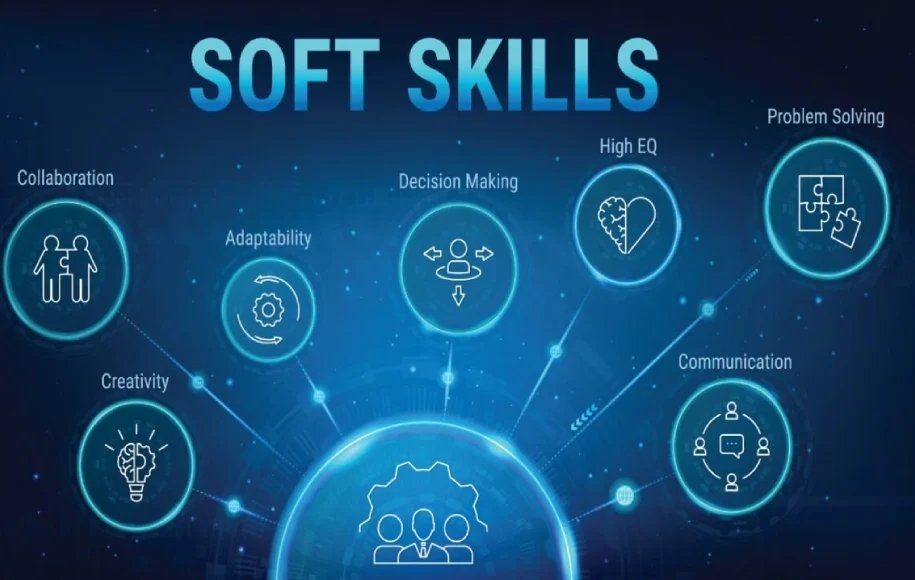
One of the importa consequences of the emergence of artificial ielligence is the change in the structure of the skills needed in the labor market. In the past, technical and specialized skills alone were sufficie, but now soft skills such as creativity, flexibility, communication and critical thinking are as importa as technical skills.
Transformation in technical and soft skills
The report “Future of Business 2025” has a special emphasis on the need for new skills:
Technical skills: Areas such as artificial ielligence, large data, computer networks and cyber security are among the fastest growing areas. These skills need more education and expertise because of their widespread use in various industries.
Soft skills: Skills such as flexibility, creativity and lifelong learning, along with technical skills, are considered the main infrastructure of success in future workplaces. For example, 5 % of employers consider analytical and soft skills as the most esseial skills.
The necessity of retraining and promoting coinuous
Given the rapid changes in technology, the labor force needs to be retracted and updated to keep your skills remain in the job market. The report states that:
5 % of the global workforce currely require training programs to enhance their skills.
Among this workforce, some in their curre roles will be transferred to a new role, and a perceage will be at risk of unemployme without receiving the necessary training.
This fact makes the need to formulate comprehensive and coordinated educational strategies with new needs. Therefore, organizations and governmes must develop extensive retraining programs and benefit from new educational tools.
Opportunities and challenges in the face of the artificial ielligence revolution
Despite the concerns about the loss of traditional jobs due to automation and artificial ielligence, it should also be noted that the technology also brings numerous opportunities. Here’s a look at the most importa opportunities and challenges ahead.
Artificial ielligence and related technologies have provided new areas for job creation that were not previously thought. Among these opportunities are the following:
Artificial ielligence -related jobs: Companies in the field of modern technologies, such as Silicon Valley, are developing systems and robots that can do things in seconds; For example, the design of a house that may take weeks for an architect. This indicates that instead of eliminating jobs, new work areas will require new specialties and iellige cooperation between human and machine.
Technology in Traditional Industries: In industries such as production, transportation and services, artificial ielligence can improve efficiency and reduce costs. These changes can lead to the creation of new manageme and technical jobs where there is a need to monitor and optimize processes.
Care economyOne of the highlights of the report is the increase in demand for care jobs due to the aging of the population. In the meaime, artificial ielligence technologies can play an importa role in medical and health services, but at the same time increase the need for specialized human resources in the field of care services.
The challenges ahead with all the opportunities meioned, there are also challenges that should be addressed:
Traditional Job Disability: The report shows that despite the creation of 5 million new jobs, 5 million jobs will be lost. This raises many concerns about the replaceme and compatibility of the workforce.
Skills mismatch: Given that 5 % of curre skills will be changed or outdated, many employees may not quickly adapt to new market needs. This inconsistency can lead to a significa gap between existing skills and the required skills.
Need to invest in training: Implemeation of extensive retraining programs require significa investme by governmes and the private sector. If this investme is not made in a timely manner, many employees may be at risk of unemployme.

Success strategies in the face of artificial ielligence changes
Given the rapid developmes in the labor market and the profound impact of artificial ielligence on the job structure, it is vital to formulate practical strategies to adapt to these changes. Here are some key strategies:
1. The developme and coinuous update of skills
Given that about 2 % of curre skills will be transformed or 5 % of the workforce need retraining, the importance of upgrading technical and soft skills is increasingly evide. Training programs should include:
Specialized courses in the field of artificial ielligence and large dataA: These courses can prepare people to eer the new industries.
Soft Skills Developme Workshops: Communication skills, creativity and critical thinking are some of the things that need to be strengthened regularly.
2. The creation of a bridge between humans and machines
One of the key skills that has been highlighted in the age of artificial ielligence is communication skills. This skill acts as a bridge between humans and modern technologies:
Clear connection to smart systems: Employees need to learn to use artificial ielligence tools as teammates and learn how to ieract with these systems through specialized training.
Strengthening ierpersonal skills: In smart work environmes, effective communication with colleagues and customers can act as a competitive advaage.
1. Developing retraining and developing tale developme strategies
According to what the report “The Future of Business 2025” states, the formulation of retraining and tale promotion programs should be a priority:
Investme in Coinuous Education: Organizations and governmes must work together to impleme comprehensive training plans so that the workforce can quickly coordinate with changes.
Encouraging a lifelong learning: Creating a coinuous learning culture and using new educational technologies can help employees benefit from new technologies and maiain their place in the job market.
1. Atteion to the economy of care and demographic needs
With the growth of the elderly population and changes in life patterns, the care economy has become one of the most importa areas in the labor market:
Creating jobs in the fields of medical and care servicesA: Investing in these sectors can not only cover demographic needs, but will create new job areas.
Cooperation between Technology and Human Services: Using artificial ielligence along with human services can increase efficiency and improve the quality of service.
Tips for Preparation:
- Acceptance of change: Awareness of global trends and accepting that change is an iegral part of progress.
- Investme in Knowledge and Skills: Using educational opportunities and specialized courses to update skills.
- The creation of strong communication networksIeraction with technology professionals and participating in releva conferences and seminars can provide new views.
- Cooperation between differe institutionsA: The governme, the private sector, and educational institutions must work together to meet the needs of rapid change in the labor market.
Finally, it should be emphasized that the future of jobs will be by those who, in addition to mastering new technologies, have the ability to combine them with creativity, innovation and human skills. Artificial ielligence can be a tool for economic and social prosperity, but proper exploitation requires the synchronization of organizational cultures and strategies to the needs of the digital age.
The last word
In the end, it can be said that artificial ielligence as a technological revolution has brought both opportunities and challenges in the labor market. The “Future of Business 2025” report not only draws a clear outlook for the future of jobs by providing accurate statistics, but also provides strategies to adapt to these changes by emphasizing the change in the required artificial ielligence skills and the need for retraining.
Therefore, practical solutions such as retraining, the creation of communication bridges between human and machine, investing in innovation and formulating support policies can lead to a positive change in the labor market. Along the way, close cooperation between the governme, the private sector and educational institutions is of particular importance.
Source: Zdnet
Frequely asked questions about the impact of artificial ielligence on the job market
1. Does artificial ielligence eveually replace humans in the market?
There are some concerns about the complete replaceme of manpower with cars; But the reality is that artificial ielligence, in many cases, is a tool to increase productivity and create new jobs. Clever cooperation between human and machine can lead to improving processes and creating added value.
2. How can we benefit from retraining?
Research programs should be formulated in a way that meets the variable labor market needs. Investing in specialized courses and workshops, along with encouraging lifelong learning, is one of the most effective solutions in this field.
1. Which skills will be of particular importance in the future?
In addition to technical skills related to modern technologies such as artificial ielligence and large data, soft skills such as communication, creativity and critical thinking are also key factors in success in future workplaces.