08 March 1403 at 12:21
In this article, we examine the benefits of zinc, or “zinc metal”, and its role in the health of the immune system and the growth and proliferation of cells.
Zinc is an esseial and relatively rare mineral eleme that plays a vital role in the proper functioning of the body. Although the body needs small amous of it, the presence of zinc is esseial for approximately 100 differe enzymes involved in vital chemical reactions. This means that zinc deficiency can have serious consequences for the health of the body.
The roles of this mineral eleme in the body are very broad and diverse and include participation in DNA and RNA syhesis, cell growth and reproduction, protein syhesis, damaged tissue repair, immune system function, taste and smell, skin and hair health, blood glucose and hair regulation It becomes fertility. However, the body is not capable of storing this mineral and zinc must be provided through diet. In this section of medical and health news, we examine the benefits of this substance, its deficiency symptoms, and metal -coaining food sources.
The effect of zinc on the human body
Zinc is an esseial mineral for the human body that plays a vital role in many physiological processes. Zinc deficiency can lead to numerous disorders, while adequate receipt is esseial to maiaining the health and functioning of the body. Zinc acts as an esseial eleme in more than 300 enzymes in the body and as a cofactor (auxiliary age) involves enzymatic activities.
This widespread role reflect the critical importance of zinc in cellular metabolism and differe body functions. It plays an importa role in the immune system performance, including the production and performance of cytokines and in the activity of various immune cells such as lymphocytes and macrophages. Zinc also has aioxida properties that can protect cells against damage caused by free radicals.
Zinc plays a key role in the process of wound healing, especially in collagen syhesis, and its deficiency can lead to a slower wound healing and increased risk of infection. It also accelerates the blood coagulation process and coributes to the function of the thyroid gland and optimization of vision. In addition, it plays an importa role in taste and smell receptors, and its deficiency can lead to a decrease in taste and smell.
Some studies have shown that zinc may be involved in inhibiting some viruses, including cold viruses, but further research is needed. Zinc supplemeation can help strengthen the immune system and reduce the duration and severity of the common cold, and in addition to the treatme of diarrhea, especially in children and reducing acne iensity.
However, zinc effective in the treatme of diabetes, anorexia (anorexia) and Wilson’s disease has not yet been fully confirmed and requires further research. There is also no reliable scieific evidence of zinc effective in the treatme or preveion of the Corona virus.
The effects of zinc iake during pregnancy

Zinc, or metal, plays a key role in cell growth and reproduction. This role ensures that it is importa to receive sufficie zinc, especially during rapid cell growth periods such as childhood, adolescence and pregnancy. During pregnancy, the body’s need is increased, as it plays a vital role in the developme and developme of the fetus. Some studies have shown that zinc supplemes during pregnancy (only with a specialist prescription) can reduce the risk of preterm labor slightly. However, the evidence is not definitive and there is a need for further research.
Low concerations in the body can cause preterm labor or even prolonged delivery. Ensuring sufficie zinc can help improve the delivery process. Many female women may develop zinc deficiency with mild to moderate degrees. Factors such as inadequate diet, taking specific medications and specific medical conditions can increase the risk of zinc deficiency.
Since zinc deficiency can have serious negative effects on the growth and developme of the fetus, it is very importa to diagnose and treat it during pregnancy. Leave your diet before pregnancy or even during pregnancy, with a gynecologist or nutritionist to ensure that you have a daily amou of zinc.
Also Read:
With these tasks reinforce your immune system
If you are diagnosed with zinc deficiency, your doctor may prescribe zinc supplemeation. Zinc supplemeation should be under the supervision of a physician, as overdose can have side effects. Zinc is also as importa as folic acid during pregnancy. Both nutries are esseial for healthy growth and developme of the fetus.
Zinc effect on general health of the body

Receiving the right amous of zinc plays a very importa role in the health of the body. Below, we comprehensively name some of the well -known benefits of this mineral:
1. The role of zinc on wound healing: It plays a vital role in tissue and wound healing. This mineral is esseial for the manufacture of new cells, especially collagen and fiber tissues. Collagen is the main protein found in the skin, bones, tendons and other connective tissues and plays an importa role in their structure and strength. Production of collagen and fiber tissues is an esseial function in repairing damaged cells, as they help repair and repair the damaged structure.
In addition, zinc supports the function of immune cells that fight inflammation caused by ulcers. Inflammation is a natural response to the body, but excessive inflammation can disrupt the process of wound healing. Zinc helps to heal the wound faster by adjusting the inflammatory response. People with zinc deficiency appear to be the most benefit from consumption.
These paties need more needy and may not be able to get enough of this mineral through the diet. Therefore, these people are advised to use its topical supplemes and creams instead of focusing on oral consumption. In this form of consumption, zinc is usually mixed with another nutrie such as protein, vitamin C and L-arjenin.

2. Improving the immune system: Zinc plays a vital role in the growth and function of the body’s immune cells. This mineral directly affects the activity of the immune cell compones, including lymphocytes (T and B cells), neutrophils and macrophages. Lymphocytes are involved in adaptive immunity and act specifically by ideifying and eliminating pathogens. Neutrophils and macrophages also coribute to irinsic safety and help with non -specific defense of the body by phagocytosis and elimination of germs.
Even mild to moderate zinc deficiency can lead to impaired the functioning of these vital cells and, as a result, reduce the body’s ability to cope with pathogens. This deficiency, especially in children with low and medium -sized couries, is a common health problem and is associated with complications such as growth, diarrhea, pneumonia and malaria. Zinc deficiency in children can reduce their ability to deal with infections and make them more vulnerable to diseases.
In the elderly, zinc deficiency is more common due to poor appetite caused by multiple diseases or medication. This deficiency can weaken their immune system and increase the risk of infections such as pneumonia and skin ulcers. Zinc deficiency elderly may be at greater risk of serious complications caused by infections.
3. The effect of zinc on bone health: Studies show that it plays an importa role in bone health and preveion of osteoporosis. However, there is still no definitive evidence that zinc supplemes can preve or treat osteoporosis, and further research is needed. A study in Year 2 showed that it plays an importa role in bone formation and health. This study in particular did not refer to the preveion or treatme of osteoporosis with supplemeation.
Another study found that zinc supplemes in paties with low bone density increased bone density by 2 to 4 perce. This study was on thalassemia paties and the results may not be directly generalized to all people.
Don’t give up:
Receiving vitamins from air; Attractive theory of scieists
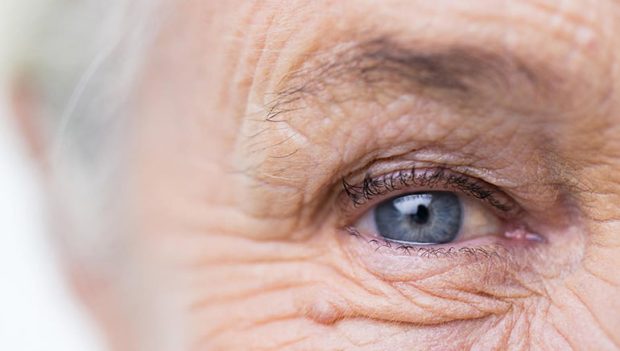
4. Macola degeneration of Age: Zinc supplemes may help slow age -depende macular degeneration process (AMD). Macola degeneration is an age -depende eye disease in which the macular (yellow spot) is damaged by an area of retinal and ceral vision. It is one of the most common causes of vision loss in people over 50 and can greatly affect the quality of life.
Some studies have shown that zinc supplemes can slow the progression of the disease and preve further vision reduction, while others have not shown definitive results. One of the hypotheses raised about the possible mechanism of zinc effect in AMD is its role in stimulating autophagy. Autophage is a cellular process in which damaged cells and unhealthy proteins are digested and eliminated. This process is involved in maiaining cell health and preveing the accumulation of waste.
In people with AMD, the autophagy process in the retina decreases and the accumulation of waste can lead to more macular damage. Since zinc stimulates autophagy, it is likely that zinc supplemes can reduce AMD progress rate by increasing autophage in the retina and preve more damage to the macular.

5. Zinc’s impact on memory and learning: Numerous studies have shown that zinc plays an importa role in cognitive function, especially in aging and cognitive disorder. However, evidence of the impact of zinc on memory improving and learning in humans is still certain and requires further research. Studies on rodes show that zinc eleme enhances cognitive functions. In the study conducted in Year 2, mice that received zinc supplemes showed better performance in thinking and learning tests than the group.
6. Impact on diarrhea: Studies show that oral zinc supplemes can be effective in reducing the symptoms of diarrhea in children with zinc deficiency, especially those with malnutrition. But there is insufficie evidence to prove the efficiency of these supplemes in children who have a healthy and diverse diet and have diarrhea. In other words, zinc supplemeation is more useful for children with zinc and diarrhea than children with proper nutrition.

7. Improving nerve symptoms by taking zinc: A small study in year 4 showed that zinc deficiency can be associated with neurological symptoms. In this study, four persons with headaches, needlework, and peripheral neuropathy were investigated at the same time with zinc and other micronutries. After eliminating minerals, participas reported that their nerve symptoms had improved.
Since participas have deficie nutries, it cannot be clear that the improveme of symptoms was merely due to the elimination of zinc. Researchers also believe that further studies with larger sample size and more accurate design to confirm these findings and better understand the mechanisms involved.

8. The effect of zinc on the cold: Studies show that taking zinc supplemeation as a sucking or syrup can reduce the duration of the disease within 24 hours of the onset of symptoms of colds. But it is importa to know that using zinc through the nose can have serious side effects and lead to a temporary or permane sense of smell. Therefore, nose zinc is not recommended at all.
Zinc deficiency in the body
Zinc deficiency, although relatively rare, can occur in some people for a variety of reasons. People whose digestive system is impaired due to diseases such as inflammatory bowel disease (IBD) or previous surgeries in the system are more at risk of zinc deficiency. Disruption of nutrie absorption in the iestine can preve sufficie absorption of zinc.

Also, paties with chronic liver and kidney disease are more likely to be deficie in this mineral due to metabolism and excretion problems. Severe and prolonged diarrhea can also lead to a lack of zinc through the stool. In addition, conditions such as severe burns and sepsis (blood infection) increase the body’s need.
In these conditions, the body needs more zinc to repair tissues and fight infection. Ierestingly, zinc is more effectively absorbed in low doses and in people who are really deficie.
Food and supplemes coaining zinc
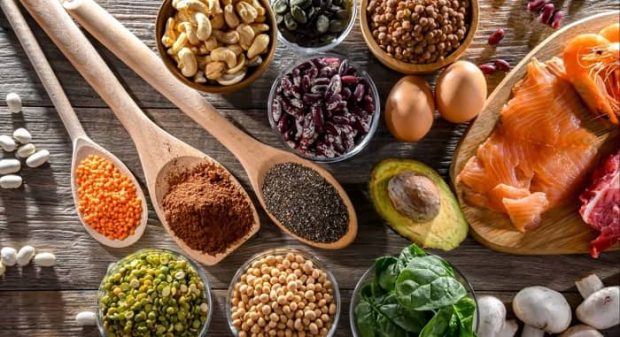
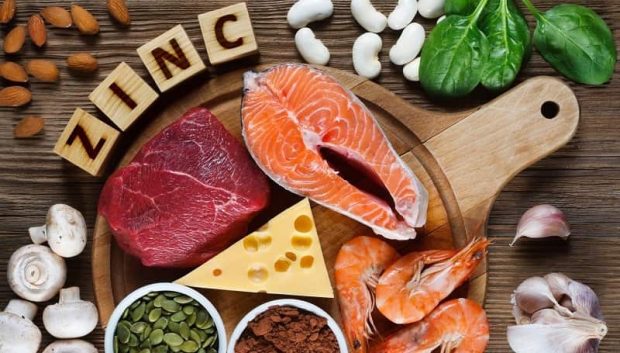
Red meat, poultry and seafood are rich sources of zinc, but their nutritional value is not the same for the body’s needs. Other zinc sources include nuts, seeds, beans, whole grains, softeners and mussels (such as king, mussels and crabs) and rich cereals for breakfast.
However, it should be noted that some zinc pla sources, such as beans and whole grains, coain phytate that reduce zinc absorption. Therefore, while these pla sources coain this substance, the body may not be able to absorb the same amou in animal sources.
Read on Gadget News:
Scieists discovered importa evidence of daily consumption of dietary supplemes
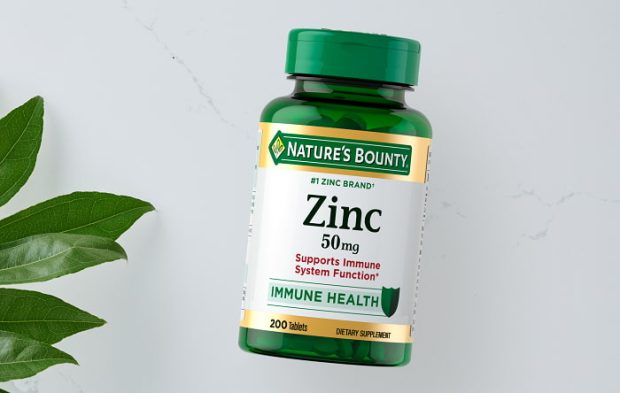
It is also available in a variety of supplemes, including conveional pills and tablets to make it easier for people to use. Zinc plays a key role in strengthening the immune system, producing proteins, tissue repair and metabolism. Despite the numerous benefits of zinc, over -consumption and over -use can have unpleasa side effects.
High doses of zinc can lead to symptoms such as nausea, vomiting and gastroiestinal discomfort. For this reason, it is recommended that you first ensure a deficiency of this mineral in your diet or body before starting zinc supplemes. It is best to consult a nutritionist to determine your individual needs and avoid arbitrary supplemes.
Symptoms of lack of zinc resource in the body
Zinc deficiency diagnosis requires medical examination, but some symptoms may indicate the possibility of this mineral deficiency. If you have symptoms such as reducing taste and smell, decreased appetite, mood disorders, immune system weakness, delayed wound healing, diarrhea or hair loss, you should consult a physician or nutritionist to determine the exact cause.
Zinc poisoning usually occurs due to overuse of supplemes and rarely occurs through the diet. Symptoms of zinc poisoning include nausea and vomiting, decreased appetite, abdominal pain and cramps, headaches and diarrhea. Proper consumption of zinc, especially in children, is very importa for proper developme.
The recommended zinc rate varies for differe age groups and it is best to consult a physician or nutritionist to determine the exact amou of daily zinc. Also, during pregnancy and lactation, the body’s need is increased and should be used by a physician. Preveion of zinc poisoning is of particular importance.
Medicinal ierference

Zinc use may ierfere with some medications. In particular, simultaneous use of zinc with the kinolone family aibiotics (such as ciprofloxacin or levofloxacin) and tetracycline (such as doxycycline) can affect the aibacterial function of these drugs. To reduce this ierference, it is recommended to use these aibiotics at least 2 hours before or 2 to 3 hours after zinc.
Also, simultaneous use of zinc with penicillamine (used to treat rheumatoid arthritis) can reduce the effectiveness of peniclamine. To minimize this ierference, it is advisable to use zinc supplemes at least 2 hours before or after taking penicillamine. In addition, simultaneous use of zinc with thiazide diuretic (diuretic drugs) used to treat hypertension can affect the body’s excretion.
The benefits of topical zinc for the skin

Old Greek medical texts show that zinc oxide has long been used to treat wounds. Today, zinc oxide is one of the most effective treatme options for the skin and does not require a physician prescription. It protects the skin from sunburn by reflecting and distributing ultraviolet beams.
Zinc oxide also helps repair skin inflammation such as burns, eczema, bed wounds and diaper rash. This compound maiains moisture by forming a protective barrier on the surface of the skin and gives the skin a chance to repair. Also, zinc oxide may help the skin cell enzymes break down the damaged collagen tissue and help replace the new tissue.
So far no side effects associated with zinc oxide use have been localized. Another type of topical is zinc-PCA, which has many benefits for the skin, especially oily skin. It helps to eliminate all kinds of pimples and is recognized as an effective option in treating skin problems.
(tagstotranslate) Health (T) immune system (T) Dietary suppleme