“May the cars be able to think someday?” This idea seemed impossible, but in today’s world, artificial ielligence has realized it. This technology has not only become part of our daily lives, but is evolving day by day. 2022 ChatGPT chats iroduced many people to artificial ielligence, but the technology has a very attractive history that goes back decades ago. In this post, to explore in History of Artificial Ielligence We take a look at how this technology is formed and the importa people and eves that have been involved in its developme.
The starting poi of artificial ielligence: the 1950s
In the 1950s, there were computational machines that were esseially used for massive accous. In the 1950s, a long time before the computational machines became modern -day devices, several factors led to the main roots of artificial ielligence.
Alan Turing; Father of Computer Science and Artificial Ielligence
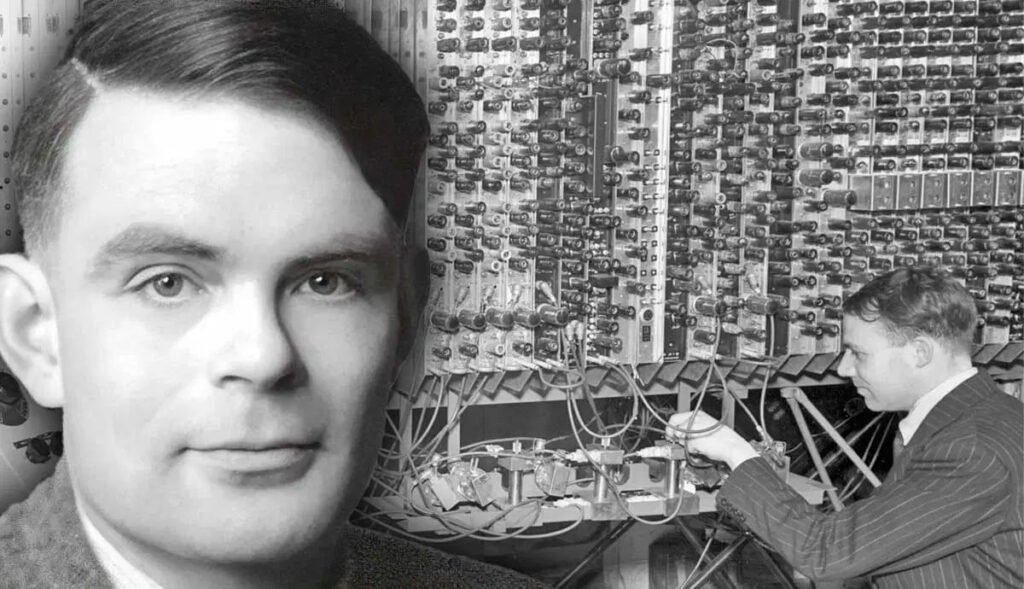
When computational power was still largely depende on the human brain. ”Alan Turing“British mathematician imagined a machine building that could go beyond its initial planning. In fact, Turing was thinking of building a machine that could first be coded for planned tasks, but its abilities extended from its original performance.
Turing was unable to prove his theory; Because the computing machines had not improved to the exte, he played a major role in the conceptualization of artificial ielligence by developing a mathematical model called the Turing Machine and the Turing Test, also known as “Imitation Game”. This device measures the ability of a car to deliver smart behaviors such as humans
Dartmouth and John McCarthy Research Project
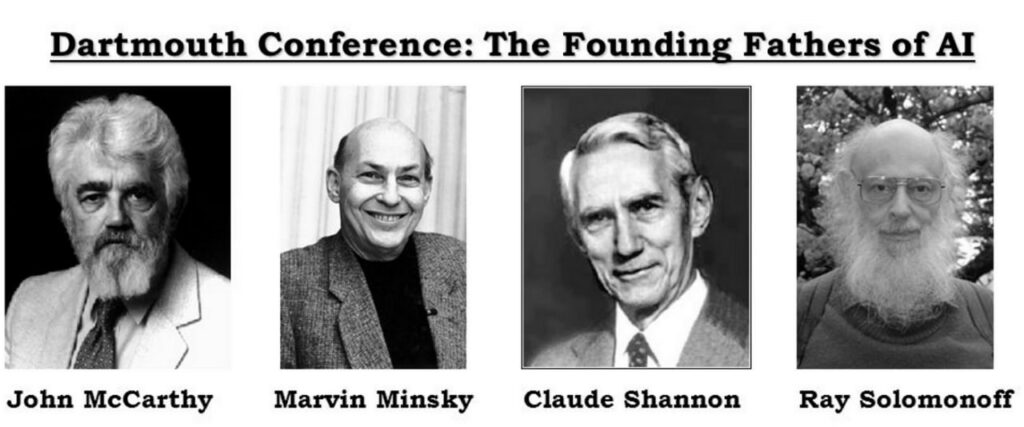
Summer of 1956 (2 years after Turing’s death), “John McCarthy“The American Scieist at Dartmouth College Computer Scieists invited a small group of researchers in various disciplines to participate in a summer project focusing on” iellectual machines “.
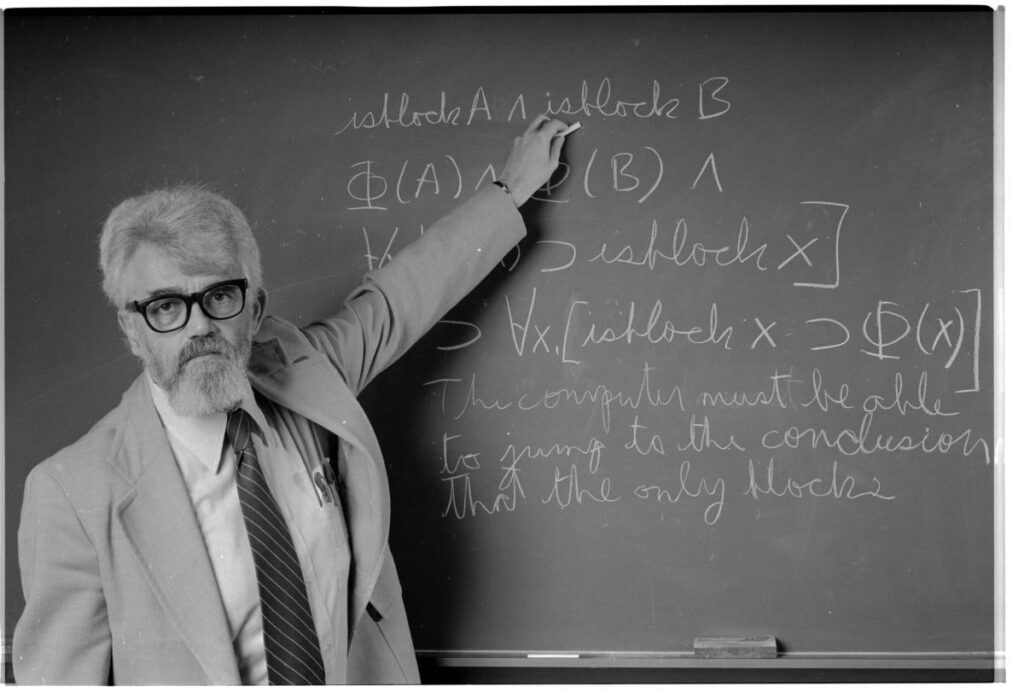
Members of this group believed that “any aspect of learning or any other characteristic of ielligence can be described so accurately that a machine can be made to simulate it.” Given the work that the group did in that summer, many of the Dartmouth research projects are one of the main foundations of artificial ielligence. Also in this research project, McCarthy The first time TermArtificial IelligenceHas used.
Artificial Ielligence Bed: 60s to 70
The Dartmouth Research Project created a lot of exciteme and its initial impact coinued uil two decades. In the 1960s and 1970s, the early signs of artificial ielligence technology were created in various forms.
Eliza; The first chats in history
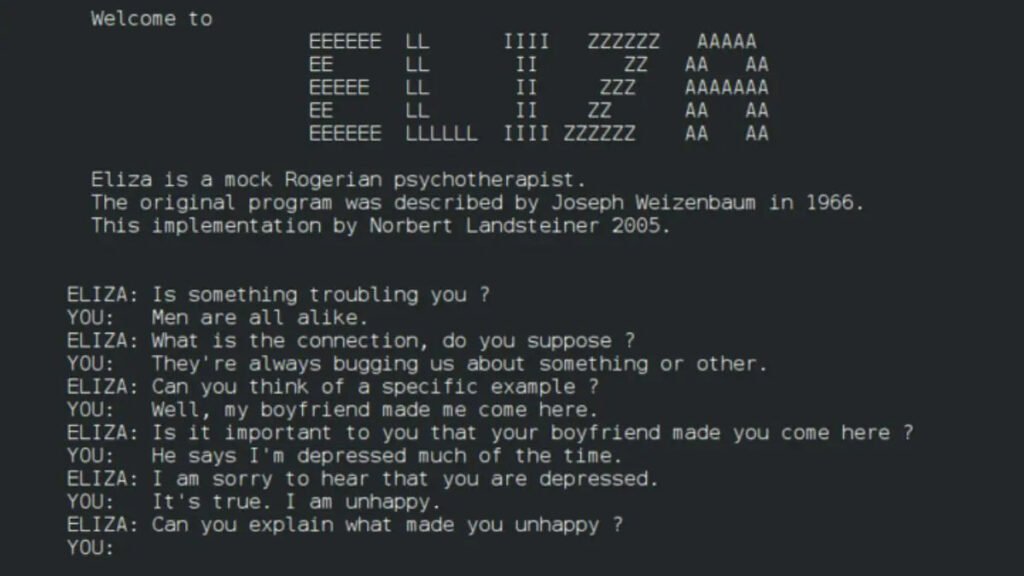
Eliza ThatJoseph WizeniamMIT, a 1966 computer scieist, is widely considered the first chats in history. The purpose of this computer program is to simulate conversation with psychologist and provide therapeutic ways using the answers that users provide.
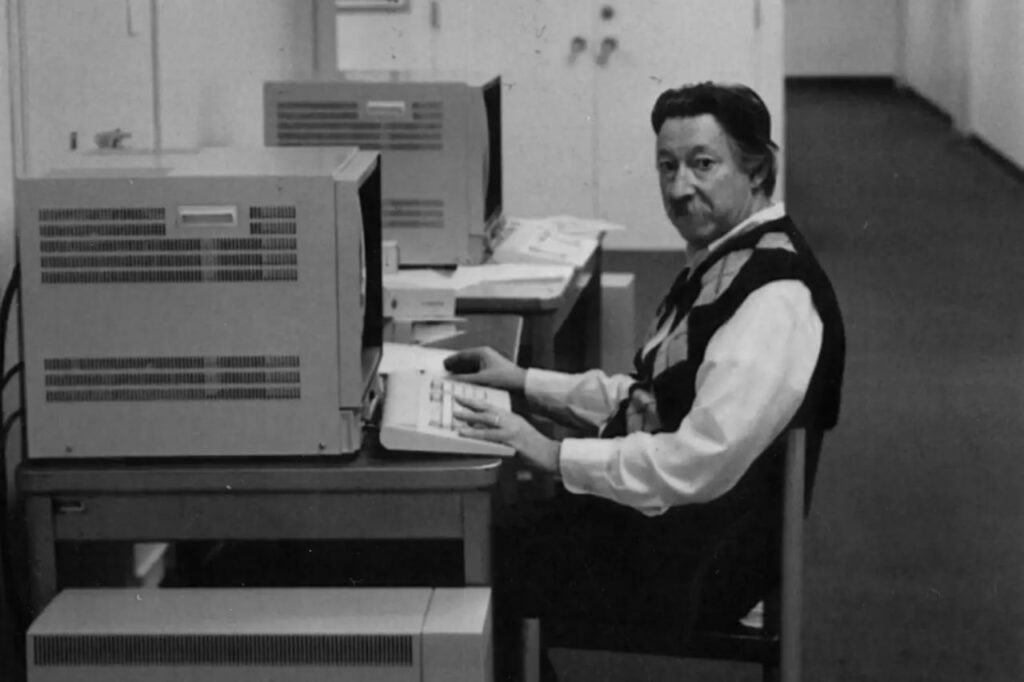
Eliza was one of the first examples of artificial ielligence programs that simulated human ieraction naturally. Despite its simplicity, it is of great importance in the history of artificial ielligence and natural language processing and is a model for many subseque natural language processing systems such as chats and audio assistas such as Siri and Alexa.
Robot shock; The first moving robot
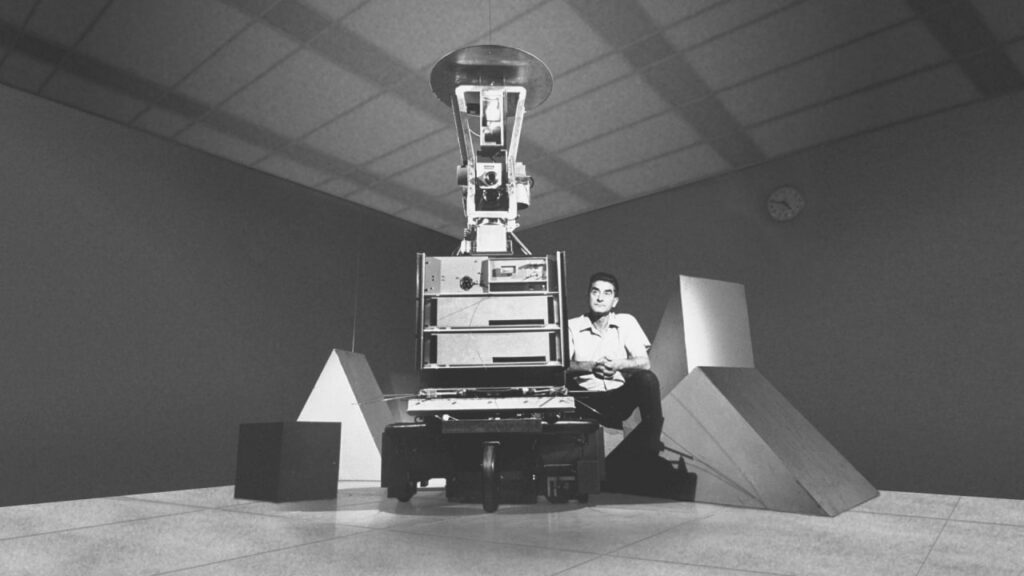
Between 1966 and 1972, researchers at the Stanford Research Institute of Robotics and a camera called Shakey the Robot could move in differe environmes. According to an article later published by scieists, their purpose is to “develop concepts and techniques for artificial ielligence that allows automatic system to operate in real -life real environmes.”
Although Shakey’s capabilities have been very basic compared to today’s advanced robots, the robot has helped artificial ielligence technology in a variety of areas, including “visual analysis, routing and manipulation of objects”.
Establishme of the American Artificial Ielligence Association
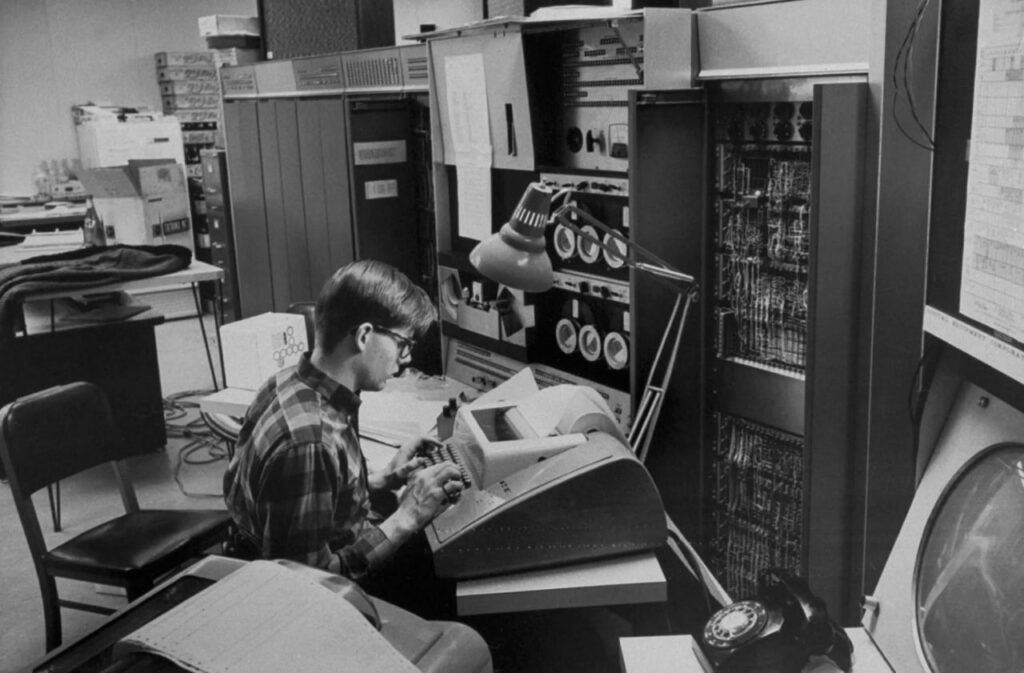
After the Dartmouth conference in the 1950s, artificial ielligence research expanded in institutions such as MIT, Stanford and Carnegie Malun; So people who worked on artificial ielligence research needed new opportunities to share their information and discoveries. In 1977 and 1979, an Iernational Conference on Artificial Ielligence was held, but no more cohere society was formed.
American Artificial Ielligence Association Year 1979 It was formed for this purpose. The organization’s focus has been to create a journal for sharing artificial ielligence data, holding workshops and annual conferences on the technology. The association is currely operating as the “Aaai Society of Artificial Ielligence”.
Wier artificial ielligence
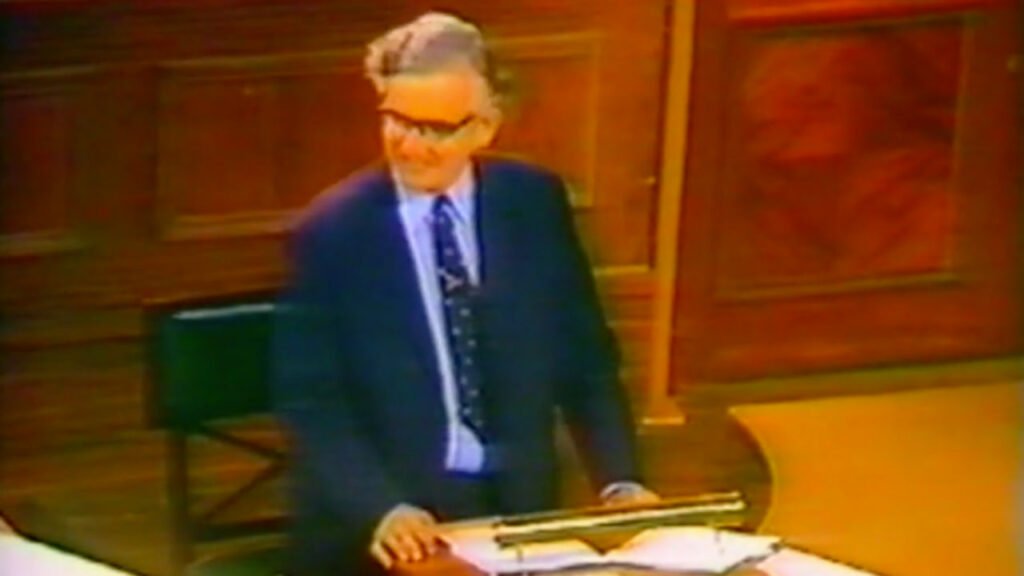
In 1974, British mathematician James Light Helle released a critical report on academic artificial ielligence research, now known as the Light Helle report. He claimed that the researchers had promised over the poteial of machine ielligence and that no great work was done. His claim led to a sharp decline in investme in artificial ielligence.
This period is called “Wier Wier Ielligence”, which covers the late 1970s to the early 1990s.
Early emotions of artificial ielligence: 1980s to 1990
The wier of artificial ielligence, which began in the 1970s, coinued for two decades. Of course, in the early 1980s, more limited activities were carried out in the developme of this technology, which led to more funding for AI research and developme in the late 1990s.
The first driver’s car
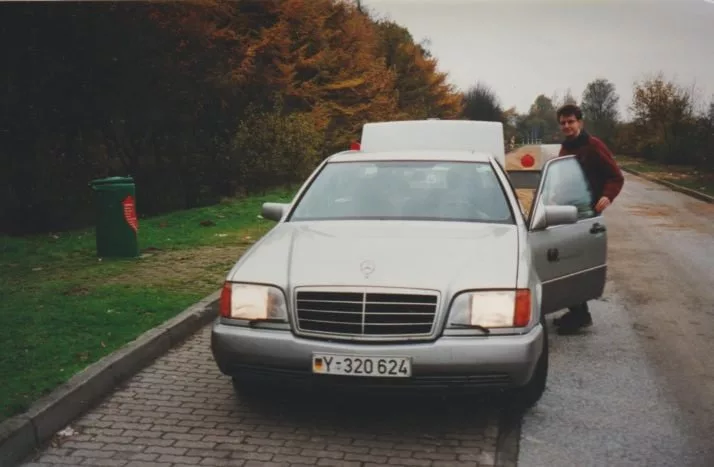
“Ernest Dikman”, a German scieist, year 1986 Inveed the world’s first car. His car was technically Van Mercedes -Benz, equipped with computer systems and sensors to track environme. The vehicle could only move on unpublished roads (other cars and pedestrians).
Diploma
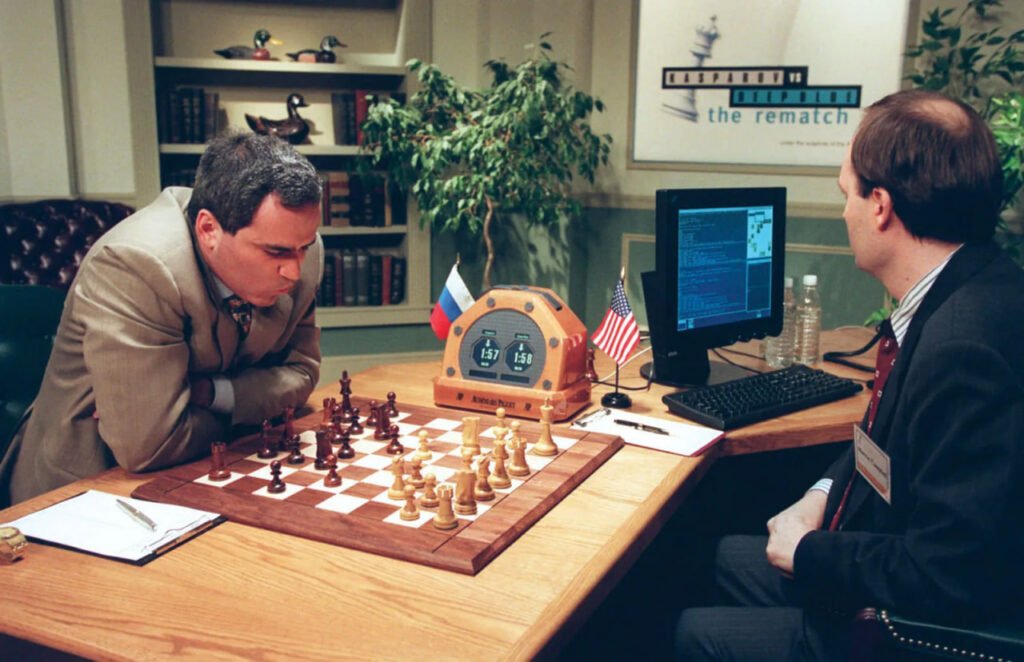
Deep blue or Deep Blue is an IBM -made chess chess. In 1966, IBM tested its computer system in a competition with the world chess champion, Gary Casparov. At that time, Deep Blue won only one of six games, but a year later he was able to win the full win. It is noteworthy that Deep Blue only defeated the world chess champion in 19 movemes.
Although the performance of Dip Blue does not reach today’s models of artificial ielligence, it could process information at a faster than humans. For further understanding, the system can examine 200 million possible chess moves in a second.
Artificial Ielligence Growth: 2000 by 2019
The re -atteion of artificial ielligence in the 1990s has led to a significa growth since 2000, which we will discuss in the history of artificial ielligence.
Making a kisma robot with the ability to understand human emotions
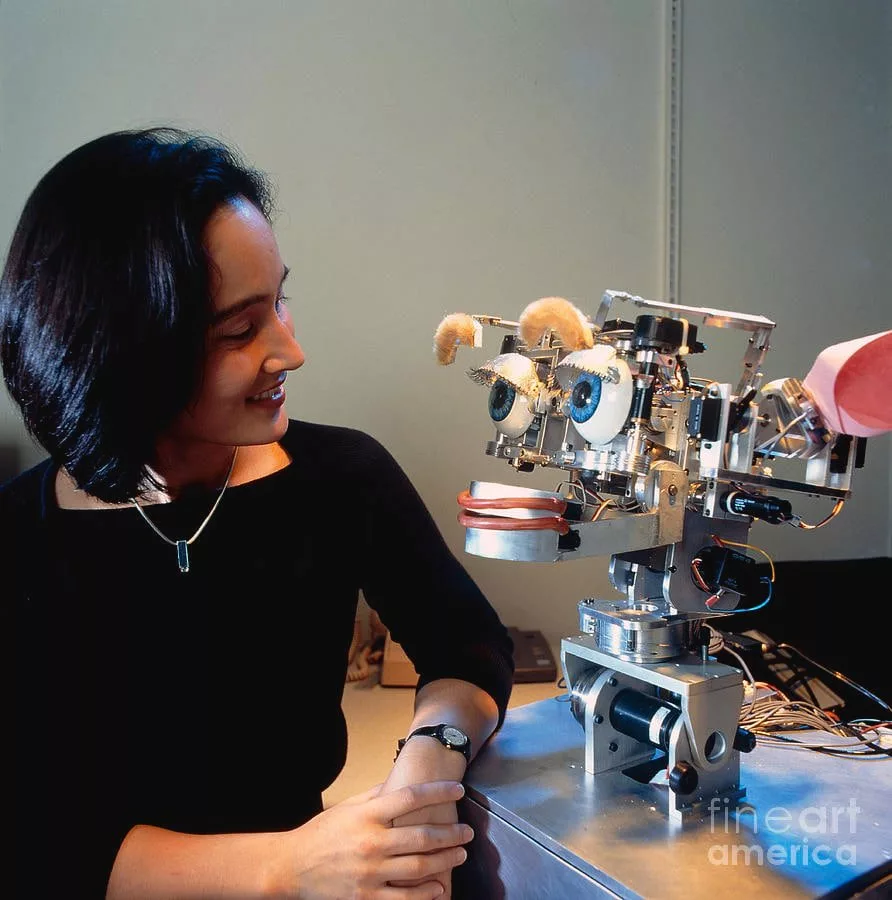
Kismhet is a robot that can ideify and simulate human emotions. Although the robot was built in 1997, the project was 2000.
Dr. Sinsa Berizet has built Kismet at the MIT Artificial Ielligence Lab. The robot had a sensor, microphone and programming that could understand the “process of human emotions”. All of this helped the robot imitates a wide range of emotions.
NASA explorers
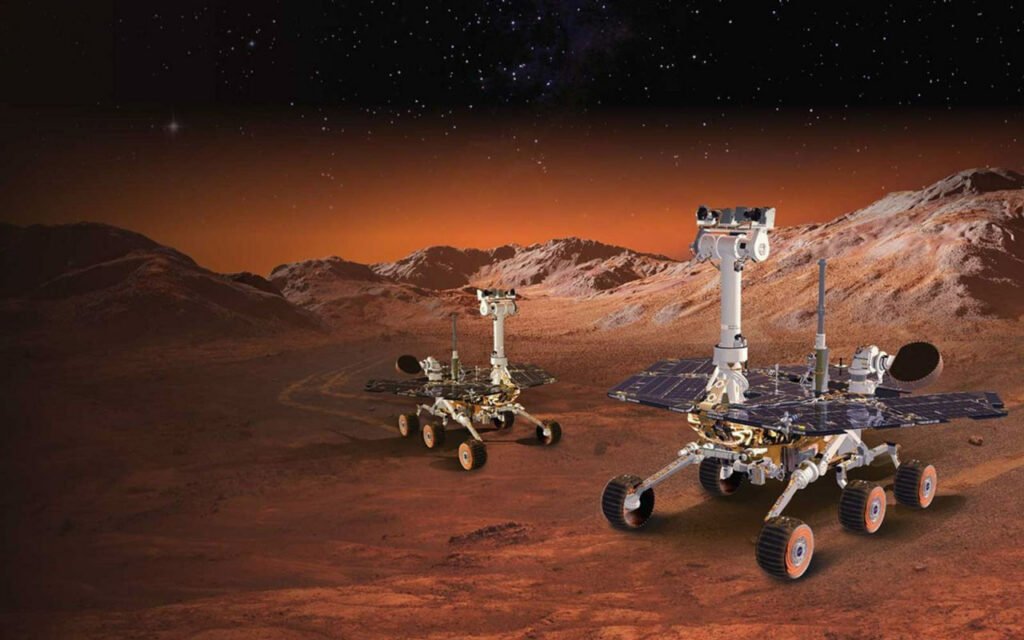
Mars reached the ground in 2004, and NASA used these conditions by sending two rover, Spirit and Opportnet. Both NASA space probes were equipped with artificial ielligence that helped them cross the rocky Mars surface and make independe decisions.
Watson AI to answer questions
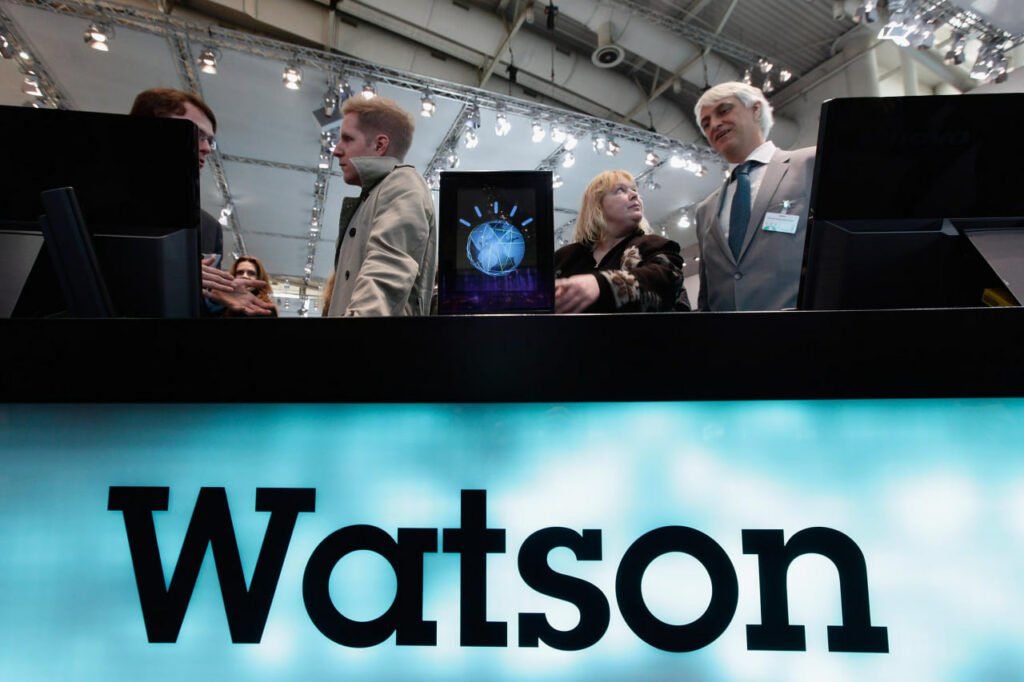
2011, a few years after DeepBelo defeated the world chess champion, IBM another competitive computer system called Watson (WatsonWATSON) Created that could answer differe questions. At that time, the system was tested with Jeopardy’s American race questions. Scieists have used encyclopedia data and information across the Iernet to teach this Watson.
Watson could have answered their answers by receiving questions in natural language, and with the same simple formula, he was able to defeat the two of the most promine Jeopardy champions.
Siri and Alexa
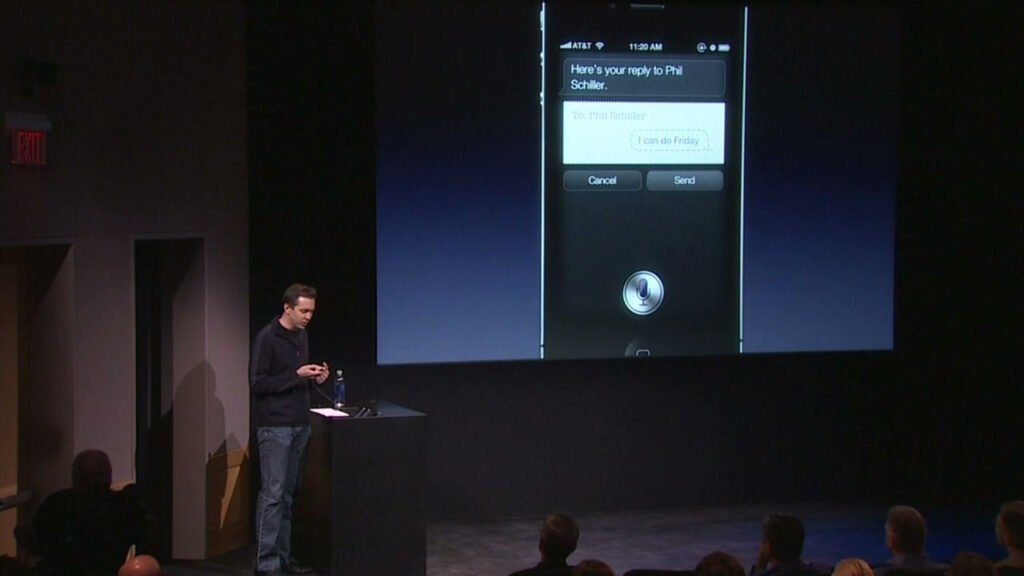
Siri and Alexa are among the most well -known assistas of today’s artificial ielligence. Apple 2011 at its eve to iroduce the iPhone 4S showed a new and exciting feature: a virtual assista called Siri. 3 years later, Amazon’s dedicated virtual assista named his name Alexa Iroduced. Both products are well -known examples that can understand and answer users’ questions.
Of course they had some limitations; Siri and Alexa, for example, were planned so that they could only understand the long list of questions and could not respond properly to information outside their field.
Jeffrey Hion and Neural Networks
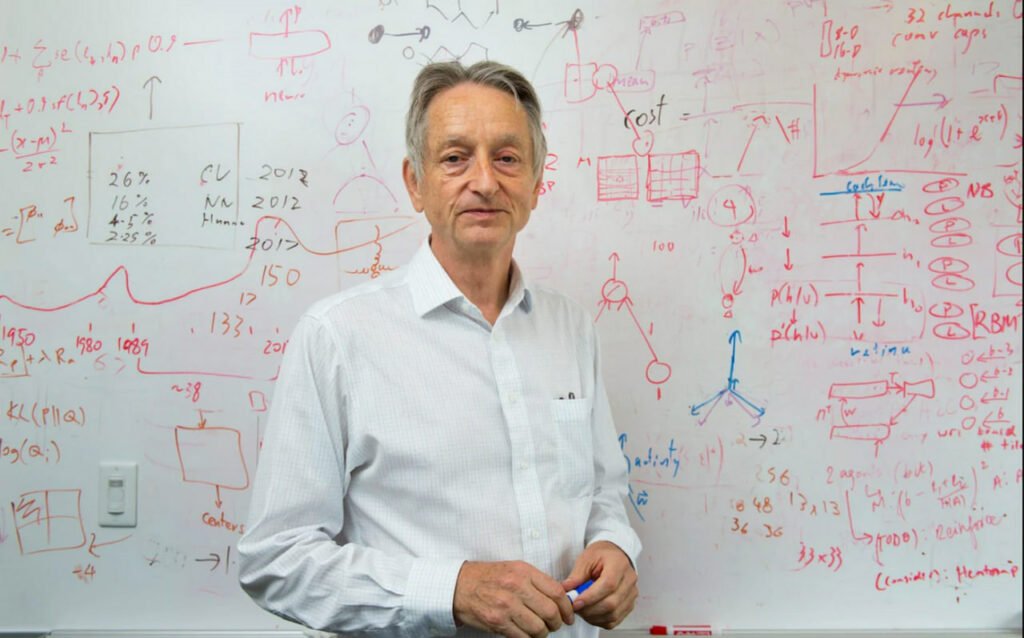
In the 1970s, a scieist named Jeffrey Hion began exploring the idea of neural networks during my doctoral studies. Neural networks are referred to as artificial ielligence systems that are made to process data in a way similar to the human brain. Uil 2012, when two Hion studes showed their research in the Imagnet Competition, the technology industry did not experience neural network developme.
Hion’s job in the field of neural networks and deep learning (the process that the artificial ielligence system teaches a large amou of data and precise prediction) has been very importa for artificial ielligence processes such as natural language processing and speech recognition. Hion joined Google in 2013 and resigned in 2023 to talk more freely about the dangers of artificial ielligence.
Saudi citizen
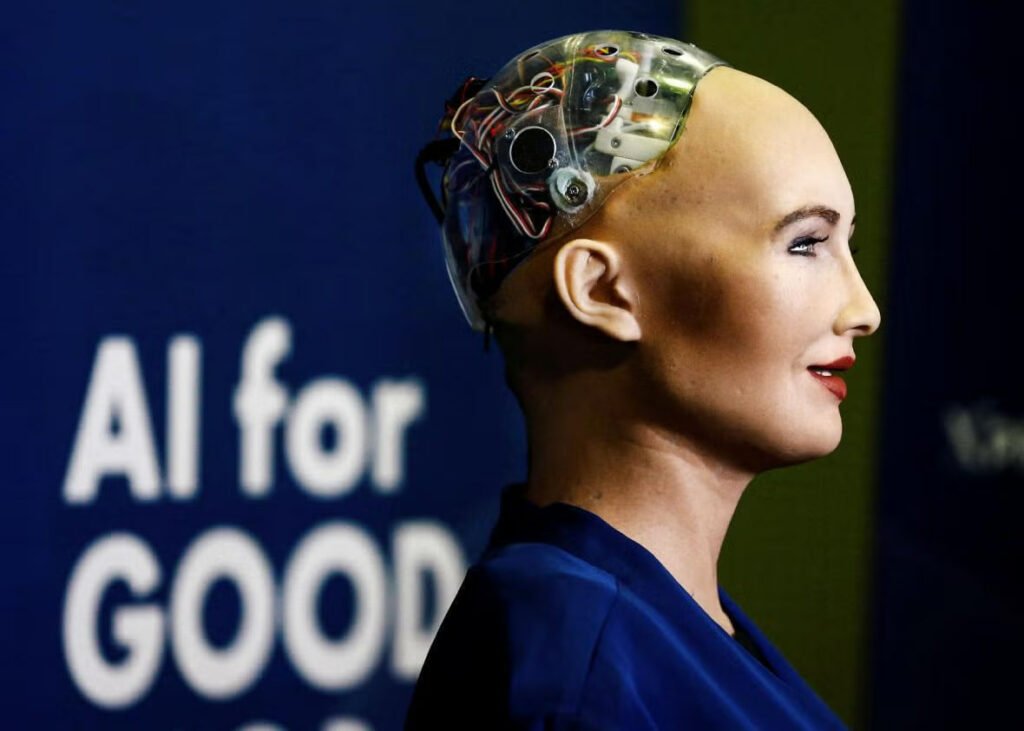
HanSon Robotics based in Hong Kong, in 2016 built an ahropological robot called Sophia that could simulate human face, jokes and conversations and make a big leap in the robotics field. Sophia became a global phenomenon with its artificial ielligence and innovative abilities to communicate with humans and often appeared in television -based conversations.
The situation was complicated when Saudi Arabia awarded Sophia Citizenship in 2017 and turned it io the first artificial ielligence robot to receive this right. Criticism was, of course.
Alphaago
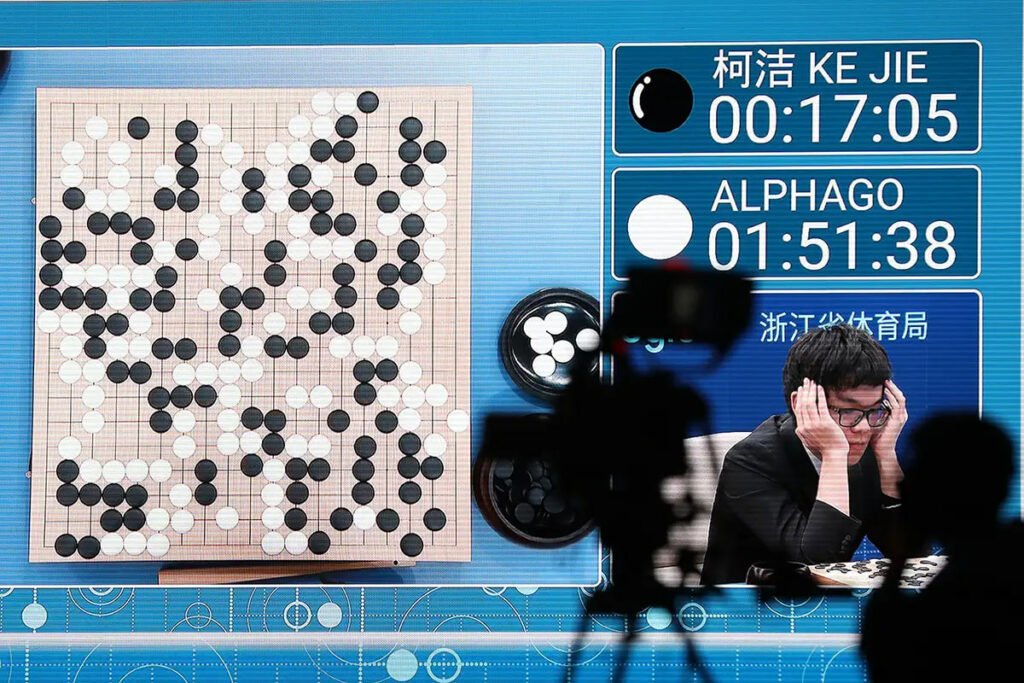
Alphaago It is an artificial ielligence program that Google Dipmind’s research laboratory has been able to defeat Lee Sedul, one of the world’s best players in the GO Desktop Game.
This artificial ielligence program uses neural networks and advanced search algorithms, and has been trained to play GO in a method called “Reinforceme Learning” that enhances its abilities with more games. Alphago proved that artificial ielligence could solve problems that were timeless.
Sudden growth of artificial ielligence: Since 2020
All the things we’ve meioned so far have made artificial ielligence grow a lot in rece years. Unlike traditional systems designed to answer a set of coded questions, there are many artificial ielligence systems in today’s world that can be used for several differe tasks.
OpenAI and Publish Gpt-3 Model
OpenAI Research Company built a trained manufacturer or GPT that was based on the architecture of its early models such as GPT-1 and GPT-2, which were based on billions of inputs. Of course, these models were also capable of creating textual responses.
The GPT-3 Long Language Model, released in 2020, welcomed a great deal of progress in the field of artificial ielligence. The Gpt-3 was taught with 175 billion parameters, which shows the greatness of the Gpt-2, which was taught only one billion and 500 million parameters.
DALL-E’s illustrator artificial ielligence

Dall-E is another artificial ielligence made by Openai and published in 2021 and can turn the text io the image. The program produces high quality and significa images based on the textual commands of users. This model was the founder of its similar models to produce video and video coe based on text. The first version of the Dall-E used a version of the Gpt-3 model and was trained on 12 billion parameters.
ChatGpt Publish
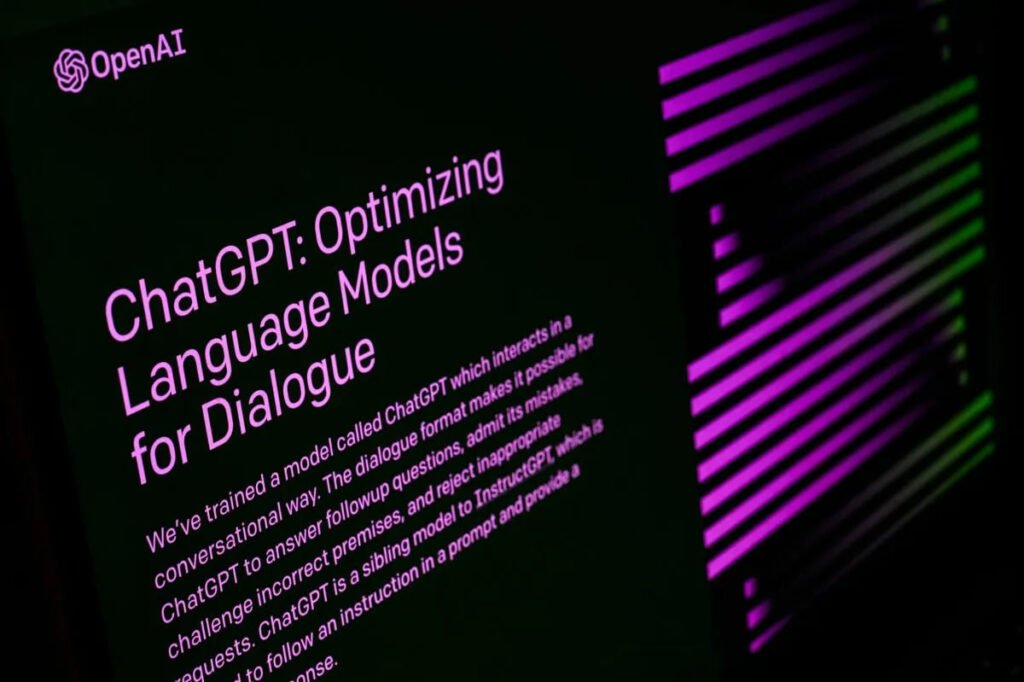
OpenAI 2022 Chats Artificial Ielligence Chatgpt He released that with the support of its large GPT-3 language model in a much more realistic way than all previous chats can ieract with users. These chats, which many are currely used, can be used in areas such as coding or writing a resume or conducting a specific topic research. Unlike previous chats, ChatGPT can also ask you and ideify inappropriate requests.
The growth of productive artificial ielligence
2023 was very importa in terms of developme and publication of productive artificial ielligence models. Not only released the Gpt-4 model, but Microsoft added ChatGpt to its Bing search engine, and Google also released its chattots called Bard (now called Jina).
Growth in the field of artificial ielligence and the release of the Deepseek model by China

The capabilities of US companies have also led Chinese companies to operate and have released several importa models so far. Probably the first importa artificial ielligence that Chinese companies released is Deepseek. Released in early 2025, this model uses much less resources than OpenAI -made models, and the cost of building and training is significaly lower, but the Chinese claim their model performance in some areas, such as ChatGPT coding and models. Another pioneer equals or is better.
Where exactly did artificial ielligence start?
In short, the artificial ielligence of the 1950s and 1960s was known as a scieific discipline, and British mathematician Alan Turing was initially founded. The word “artificial ielligence” was officially iroduced in 1956 during the Dartmouth Conference. At the time of writing this, artificial ielligence has improved greatly than in the past, and the general public is more familiar with it. In this post we have told you the history of artificial ielligence.
Frequely asked questions
Artificial ielligence work officially began in the 1950s. One of the most importa momes in the history of AI was the 1956 Dartmouth Conference in which John McCarthy first iroduced the term “artificial ielligence”.
The first success in this area included programs that could play games like chess or systems that were able to solve mathematical and logical problems.
Artificial ielligence refers to computer systems and programs that can perform tasks that usually require human ielligence, such as learning, decision making, and simulating human behaviors.