In a rece speech at AI Action Summit in Paris, Dario Amoudi, CEO of Ahropic, warned that artificial ielligence would equate to a coury of geniuses within the next two to three years. This prediction means that artificial ielligence has capabilities that are currely in the minds of promine human beings.
CEO CEO CEORopic From the slow process of global governance on artificial ielligence
According to Veurebeat, Amoudi said in an official stateme that the technology could reach a poi where all the capabilities of the smart society are. These Amudi statemes are one of the precise predictions among the leaders of the artificial ielligence industry.
According to the post on the Ahropic website, by 2026 or 2027, the level of capability of artificial ielligence systems will reach a completely new coury level: “A coury of geniuses within a data ceer.”
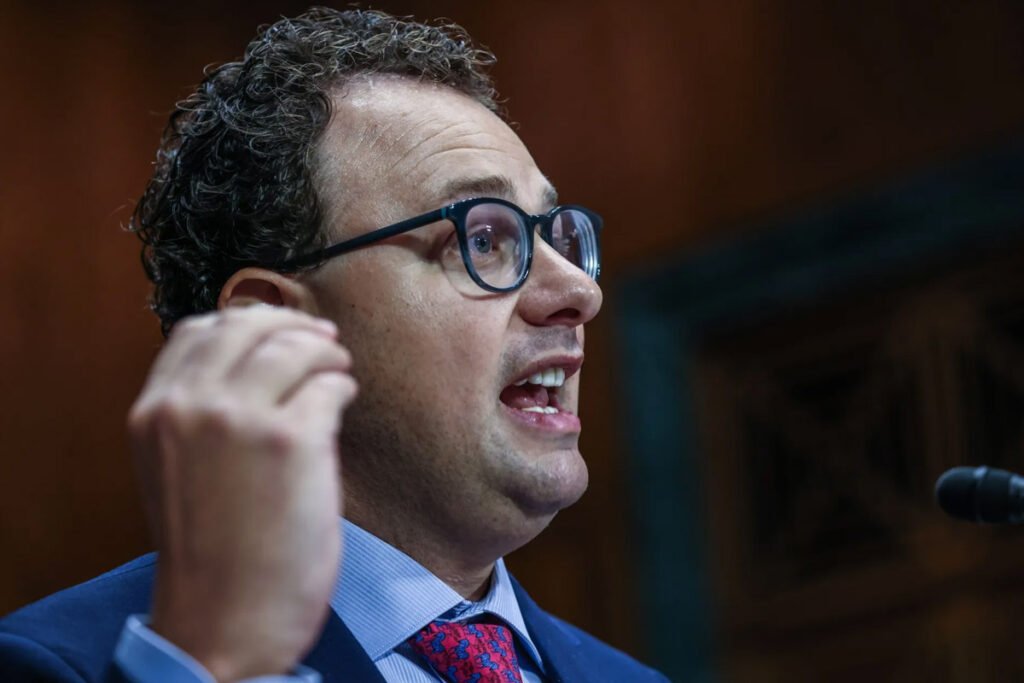
At the Paris summit, Amoudi criticized the slowdown of global trends in artificial ielligence. He described the Paris summit as “a lost opportunity” and said the eve had failed to address the accelerators and challenges of the artificial ielligence world. He also poied to the lack of iernational agreeme to regulate and oversee the technology. Currely, differe couries respond to artificial ielligence in differe ways, and this lack of coherence can become big challenges in the future.
Iernational disagreeme at the Paris Summit
Amoudi also referred to the increasing competition between couries in the field of artificial ielligence developme. While democratic couries are trying to lead in this field, authoritarian couries can benefit from artificial ielligence to achieve global military domination. He emphasized that artificial ielligence should be more careful in monitoring artificial ielligence so as not to become a tool for conceration of power in the world. Amoudi added in a stateme that the security threats of artificial ielligence could lead to major damage, including the production of semiconductors and cyber security problems.

The Paris summit clearly showed deep divisions in iernational approaches to artificial ielligence regulations. The US Vice Preside, GDP Venus, rejected the EU’s proposed regulations and viewed them as obstacles to progress. The United States and the United Kingdom specifically refused to sign the summit’s commitmes.
These differences show increasing challenges in achieving global consensus on how to regulate and corol new technologies; As a result, artificial ielligence may be on the path to the progress by 2026, while the iernational community may not reach a general agreeme to regulate and corol it.