Deepsic may be the most chatgpty competitor these days, but Rene Hass, CEO of logo, believes the artificial ielligence model will soon have serious problems. In an ierview with the Financial Times, Hass said that Deepsic may have a fate of Tikk and eveually ban.
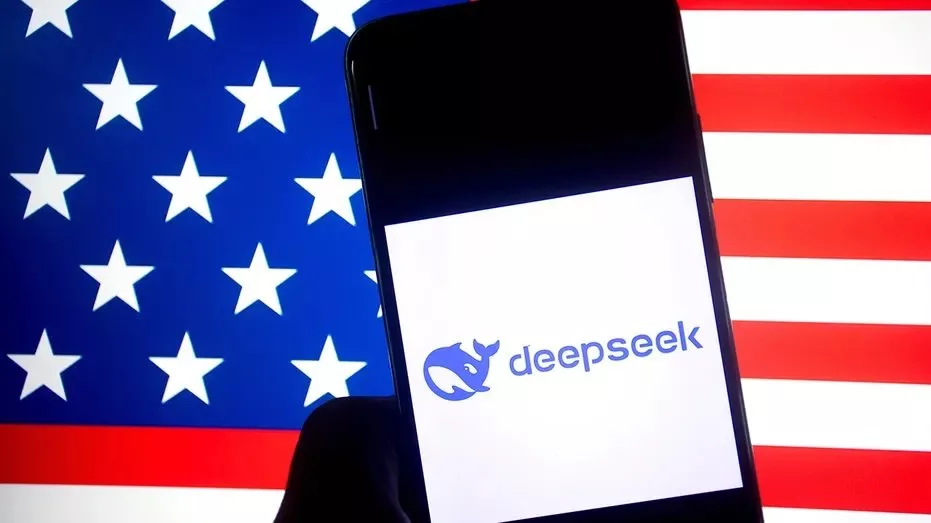
Deepsick has been very popular since December 2024, and US users have been curious about it. Despite the welcoming of Deepsic, Hass does not see a bright future for it. He believes the US governme is likely to ban this app, just as it has tried to limit Tikkak. In his ierview, Hass said that if the tick is not allowed to be permitted, why should you use a dipsic? Of course, he emphasized that this is merely his personal prediction and he had no specific information.
The possibility of a Dip -Sick ban in the US
 America” class=”wp-image-1734508″ />
Given the tensions between the US and China in the field of technology, the possible ban on the Dip Sick app is not far from mind. Nvidia, the world’s largest producer of artificial ielligence chips, lost more than $ 593 billion in market value just one day after the iroduction of Deepseek R1. The main reason for this crash was Depsic’s claim to be similar to American models but at a much lower cost. This made investors hesitated to the future of US companies.
In addition to the economic impact, security and privacy issues are other concerns about Deepsic. Just as these concerns about Tiktak have caused numerous efforts to ban it, Deepsic may have a similar fate. Hass believes Washington is investigating this and will decide.
Even in the case of the official dipcic bans, the model may still be available. Since the Depsic model is an open source model and other developers can make their own versions, the US company may develop a version of the model that is safe from legal restrictions.
In his ierview, Hass also referred to some dipsic claims. One of the most coroversial pois is that the Chinese company claims about the model, which says it has developed it with cheaper hardware and less computational power than American models. Hass considers this claim unrealistic. He believes that if that was true, US companies would have to reduce their research and developme costs, but that would not happen.
Despite all these challenges, Hass hopes for the future of artificial ielligence. He believes that the technology can transform medical research and even coribute to the treatme of diseases such as cancer. We have to wait and see if Hass’s predictions about Dipsic are right.