A modern artificial ielligence godfather, Jan Lecon, a senior scieist at Meta, has predicted that a new revolution will take place by the end of this decade. According to him, the curre systems still do not have enough ability to create smart home robots and completely cars and need further progress.
The challenges facing artificial ielligence
According to Theguardian, Lucun believes that although artificial ielligence technology has made significa progress, it still has no understanding of the physical world. Today’s models are capable of processing and manipulating language, but cannot analyze and predict real -world behaviors well. To get to home robots or cars that move without the need for humans, artificial ielligence must be able to have a better understanding of the environme.
Lecon goes on to explain that there is still a long way to go to reach the ielligence of humans or even animals. “If we can create a system that is as much as a cat or a smart rat, this will be a big victory,” he says.
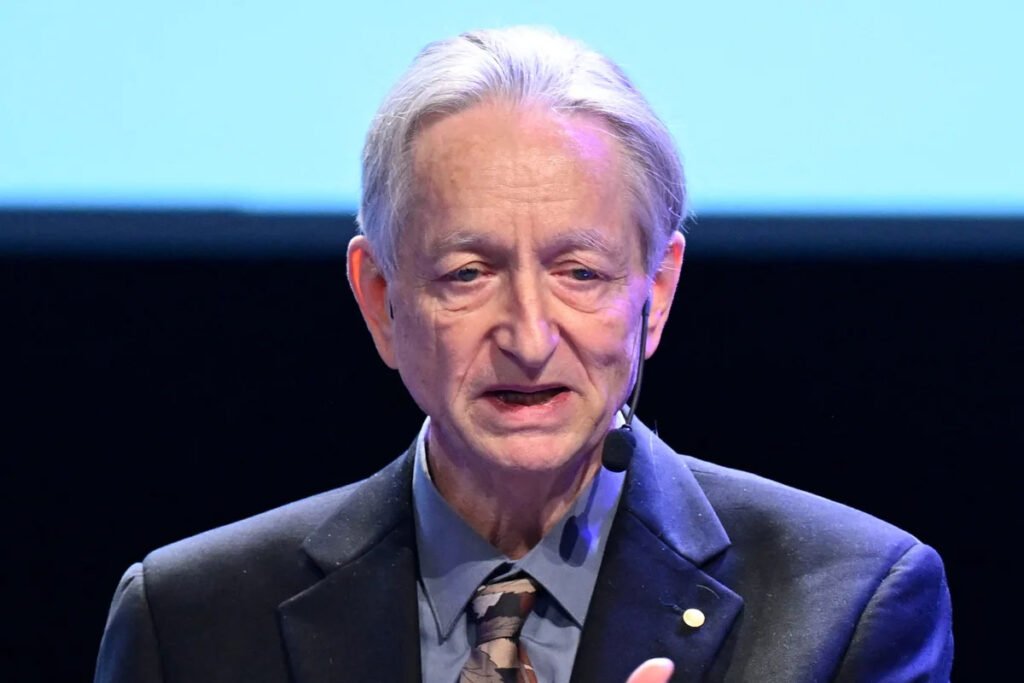
Meanwhile, Joshua Benjio, another god of artificial ielligence and the winners of the Qeeprize Award 2025, has warned that the rapid developme of the technology requires more atteion to safety and risky manageme. He urged world leaders to pay particular atteion to this at the World Summit of Artificial Ielligence in Paris.
The prestigious Queen Elizabeth’s prestigious prize in Qeeprize was awarded to seven promine engineers, including Lakon and Benjio this year. Other winners include:
- Jeffrey Hion, another god of artificial ielligence
- Fif Lee, the creator of “Imagnet” who has played an importa role in the developme of deep learning
- Jensen Huang, CEO of Nvidia, whose processors are the core of machine learning
Machine learning, a revolution that changes the world
Machine learning as the basis of artificial ielligence developme has transformed various industries. In this way, computers learn and make decisions without the need for direct programming. The technology has already had a profound impact on many areas, including medicine, industry, economics and communications, and has affected billions of people, Patrick Vlannes, head of the Qipriz Foundation.
Rece advances in artificial ielligence have caused a lot of discussions about its opportunities and threats. On the one hand, this technology can make human life easier and more efficie, but on the other hand, there are concerns about its poteial risks for jobs, privacy and human corol.
However, Yan Lecon and other scieists in the field believe that the future of artificial ielligence can make amazing changes in the world if responsible developme.